

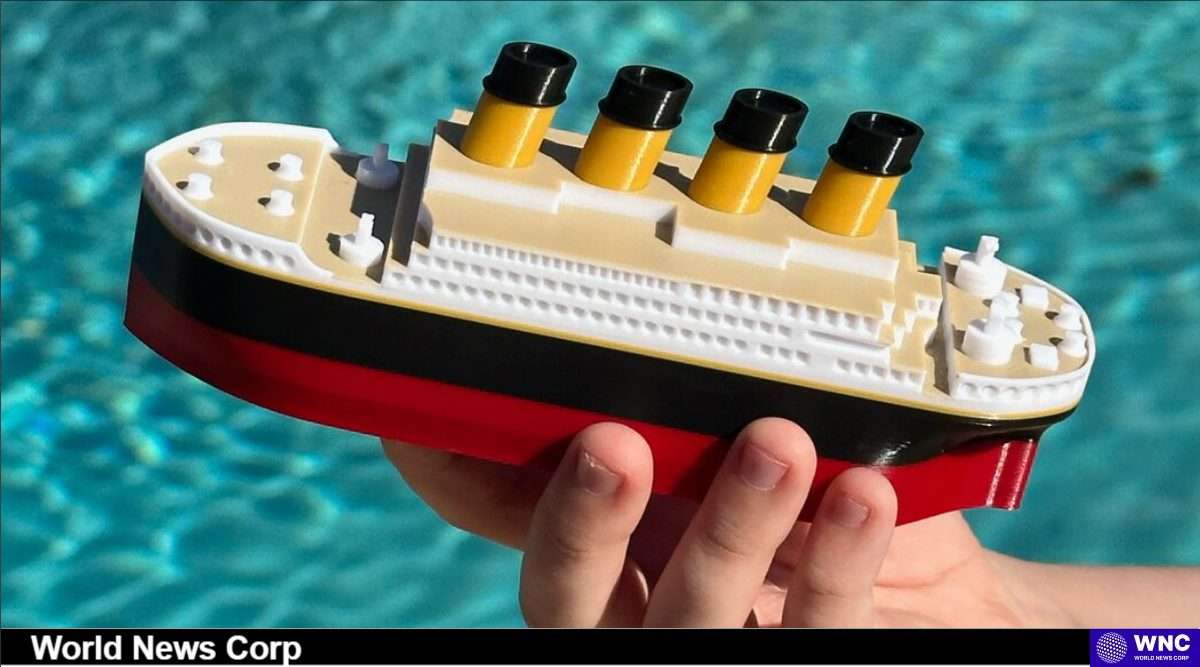
The Titanic, a name that rings a bell for anyone even remotely aware of maritime history, continues to capture the imagination of young minds over a century after its ill-fated maiden voyage. Children today, much like those in the past, are drawn to the legend of the Titanic, intrigued by its tragic narrative and the mystery surrounding its sinking. From video games to creative meals, the Titanic's legacy is alive and well in the hearts of the young.
What is it about the Titanic that remains so appealing? For many children, it’s the larger-than-life story of adventure and disaster. A recent article highlighted a young boy named Osiris, who at just five years old, requested a dinner inspired by the ship. His mother, Tara Smyth, creatively crafted a meal of baked potatoes topped with hot-dog funnels and placed them on a sea of baked beans. This imaginative dining experience not only satisfied Osiris’s culinary whims but also showcased how the story of the Titanic can be woven into everyday life, making it relatable and fun.
Moreover, the Titanic's story is multifaceted. It encompasses themes of heroism, tragedy, and historical significance, making it a rich subject for exploration. Take, for instance, the experiences of Mia and Laila, 15-year-old twins who spend hours playing 'Escape Titanic' on Roblox. They are part of a generation that uses technology to engage with history in a way that feels immersive and interactive. “Sometimes we go down with the ship on purpose,” Mia explains. “Life is boring, and the appeal is that it’s kind of dramatic.” This blend of education and entertainment ensures that the Titanic remains a relevant topic for today's youth.
The fascination with the Titanic isn't just limited to games and meals; it extends to educational experiences as well. On the 113th anniversary of the Titanic's sinking, Stephen Spignesi, a noted author and professor, hosted an illustrated lecture that drew attention to lesser-known facts about the ship and its tragic end. Events like these serve to educate the next generation, keeping the memory of the Titanic alive through knowledge and storytelling.
As parents and educators, how can we further nurture this interest in historical events like the Titanic? One effective way is through storytelling. Sharing stories, either through books, documentaries, or even creative writing, can ignite a child’s curiosity and lead to further exploration. Additionally, incorporating hands-on activities—like model-building or visiting museums—can create memorable experiences that deepen their understanding of history.
In conclusion, the Titanic continues to be a source of fascination for children, bridging the gap between history and modern-day storytelling. It’s a testament to how powerful narratives can transcend time and resonate with new generations. Whether through imaginative play or educational pursuits, the Titanic’s legacy is far from forgotten, proving that some stories truly are unsinkable.