

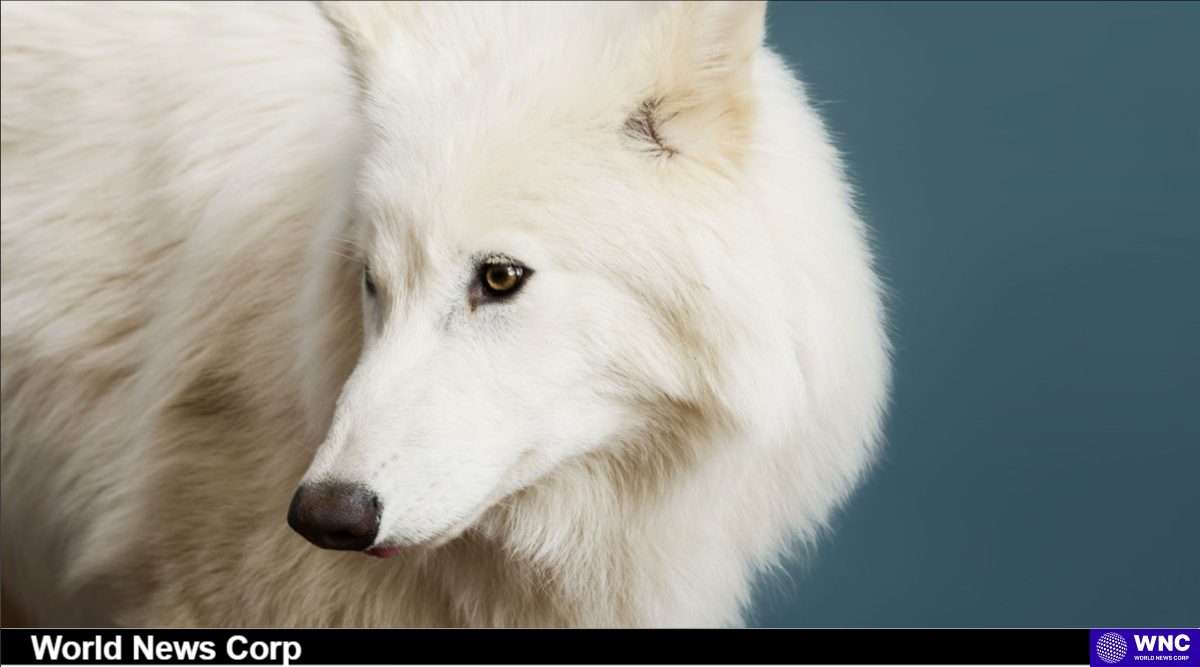
The recent birth of the dire wolf pups, Romulus and Remus, by Colossal Biosciences marks a monumental step in genetic science and conservation. This achievement not only captivates our imagination but also raises ethical questions surrounding the de-extinction of species that vanished thousands of years ago. Through the innovative use of CRISPR technology and ancient DNA, scientists have managed to recreate a creature that once roamed the Earth, but the implications of such advancements are complex and multifaceted.
What are the key challenges and impacts of de-extinction?
Colossal’s journey began with the extraction of ancient DNA from dire wolf fossils, some dating back 13,000 years. By carefully analyzing the genomes and pinpointing the specific genetic traits that defined the dire wolf, researchers made targeted edits to the DNA of gray wolves—their closest living relatives. The process involved 20 precise edits across 14 genes, leading to the birth of these remarkable pups. This combination of ancient wisdom and cutting-edge science showcases a powerful example of what can be achieved when we merge the past with the present.
Exploring the Ethical Landscape
While the science behind de-extinction is impressive, it raises significant ethical dilemmas. Are we playing god by resurrecting extinct species? What responsibilities do we bear in ensuring their survival and integration into modern ecosystems? Critics argue that the resources devoted to de-extinction might be better spent on preserving existing endangered species. However, Colossal’s advocates suggest that the knowledge gained from these projects could simultaneously aid in conservation efforts for contemporary at-risk species.
The Role of Genetic Engineering in Conservation
The dire wolf initiative is not merely about bringing back a lost species; it also serves as a stepping stone for broader conservation strategies. The techniques developed in this project are being applied to endangered species such as the red wolf, where genetic diversity is critically low. By cloning red wolves and enhancing their genetic pool, Colossal aims to fortify their populations and increase their chances of survival in the wild. This dual focus on de-extinction and conservation presents an innovative approach to biodiversity restoration.
The Future of De-Extinction
As we look ahead, the possibilities for de-extinction seem vast but fraught with challenges. Will Romulus and Remus ever roam freely in the wild, or will they remain in managed care? The answer lies in understanding the ecological roles these creatures would play and the potential impact of their introduction into current ecosystems. Experts remind us that the dire wolf was a specialized predator, and its survival would depend on the existence of suitable prey and habitat, which are drastically different today than they were 12,000 years ago.
Conclusion: A New Era of Conservation
The birth of the dire wolf pups is just the beginning of a new era in conservation biology. It invites us to reconsider our relationship with nature and our role in preserving the planet’s biodiversity. As we navigate these uncharted waters, it is essential to strike a balance between scientific innovation and ethical responsibility. The dire wolf initiative serves as a reminder that while we can harness technology to reverse some of the damage done to our planet, we must also tread carefully, ensuring that our actions serve to enhance life on Earth rather than complicate it further.