
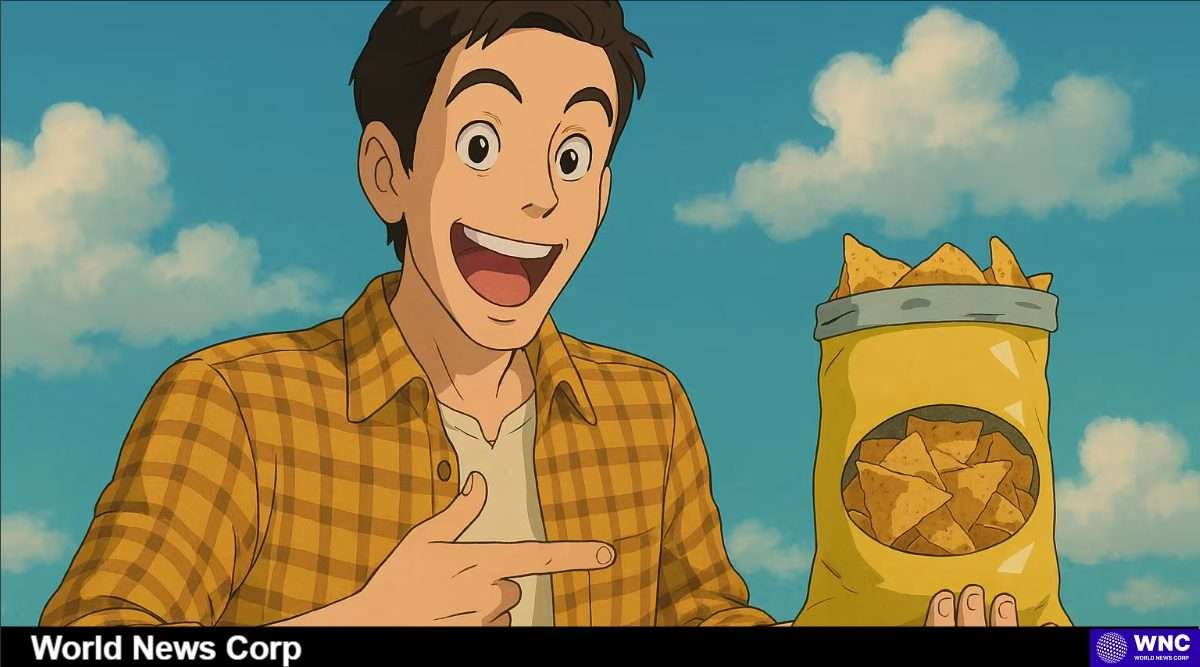
In recent months, social media has been inundated with enchanting portraits resembling the iconic Studio Ghibli animation style. This trend has captivated fans and celebrities alike, turning ordinary photographs into whimsical, hand-drawn masterpieces. But what’s driving this surge in Ghibli-inspired images, and what implications does it hold for the world of art and creativity?
What Sparked the Ghibli Trend Across Pop Culture and Fashion?
The phenomenon began with a groundbreaking image-generation tool developed by OpenAI. Users can transform their photos into Ghibli-style art with a simple prompt, instantly creating images reminiscent of the beloved works of Hayao Miyazaki. As I scrolled through my own social media feeds, I was struck by the sheer volume of Ghibli-fied images, from everyday folks to Hollywood stars. This accessibility has not only democratized art creation but also raised significant concerns.
The Ethical Dilemma of AI Art
While many view these AI-generated images as a tribute to the meticulous craftsmanship of Ghibli’s creators, others see a troubling trend. Critics argue that this technology might undermine the original works by appropriating their essence without permission. Renowned artists and musicians have voiced their concerns, labeling the trend as a form of plagiarism. For example, singer-songwriter insert name publicly rejected the sharing of AI-generated Ghibli art, stating, “I just can’t bring myself to support AI’s plagiarism of an artist’s life’s work.”
The Impact on Creators and Copyright
The ethical implications extend beyond artistic integrity. A significant number of Hollywood figures, including over 400 stars, have urged for stronger copyright protections against AI’s encroachment on creative industries. This highlights a growing apprehension that AI could erode the foundation of artistic creation, potentially affecting millions of jobs and billions in revenue. With tech giants like OpenAI and Google pushing for looser copyright definitions to facilitate AI training, the stakes have never been higher.
Striking a Balance
As we navigate this new landscape, finding a balance between innovation and preserving artistic integrity is crucial. Could we see a future where artists collaborate with AI rather than compete against it? Tools can be developed to ensure the fair use of content, protect creators’ rights, and promote ethical standards in AI-generated works. For instance, implementing watermarking or metadata could help distinguish between original and AI-generated art.
In conclusion, the Ghibli art trend serves as a microcosm of the larger conversation about AI in creative industries. While the technology offers exciting possibilities, it also poses serious challenges that require thoughtful dialogue and proactive measures. As I reflect on the implications of this trend, I can’t help but wonder: How can we honor the artistry of the past while embracing the innovations of the future?