

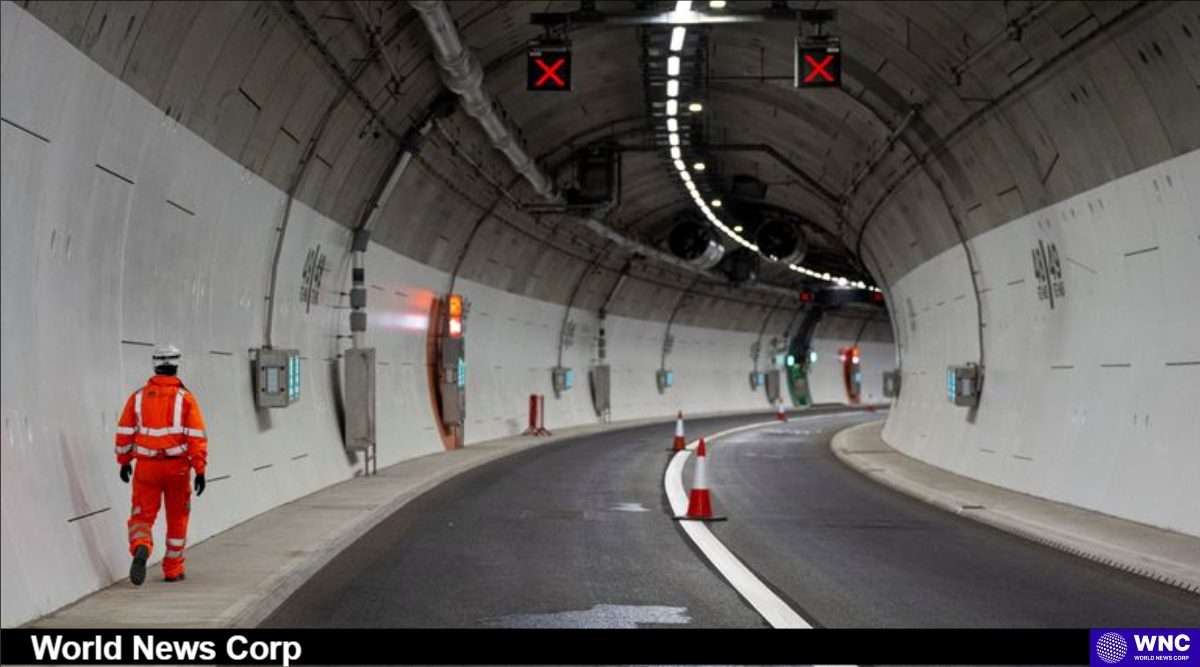
The Silvertown Tunnel, a significant infrastructure project aimed at easing congestion in London, has officially opened under the River Thames. Stretching 1.4 kilometers, the tunnel connects Silvertown in Newham to the Greenwich Peninsula. While Transport for London (TfL) and Mayor Sadiq Khan tout it as a solution to traffic woes, the project has faced significant backlash from environmentalists, local residents, and public health advocates. They argue that this multibillion-pound road tunnel is a relic of outdated transport solutions that may worsen air quality and public health in the capital.
What claims have been made about the tunnel?
TfL claims the Silvertown Tunnel will reduce congestion, particularly at the nearby Blackwall Tunnel, where traffic often grinds to a halt. The agency asserts that the new crossing will save commuters up to 20 minutes on their journeys. Moreover, the tunnel is expected to accommodate 21 buses per hour along with a dedicated cycle shuttle service. However, critics argue that the introduction of the tunnel will only entice more vehicles, leading to increased traffic and pollution. Victoria Rance, founder of the Stop the Silvertown Tunnel Coalition, has called it a “20th-century solution to a 21st-century problem,” expressing concerns that it locks in high-carbon transport for decades.
The Health Concerns at Stake
The health implications of the Silvertown Tunnel are a focal point of the ongoing debate. Medical experts and climate scientists have voiced their worries about the project’s potential to exacerbate air pollution, particularly in already deprived areas. The tunnel is expected to facilitate traffic flow, but will it truly benefit the health of Londoners? Caroline Russell, a Green Party Assembly member, argues that the tunnel is a costly mistake that will harm local air quality. She highlights the need for infrastructure that prioritizes clean air and safe cycling rather than a vehicle-centric approach.
The Costs of Commuting Through the Tunnel
Another layer to the controversy is the tolling structure implemented for both the Silvertown and Blackwall Tunnels. Starting from April 7, 2025, motorists will have to pay a maximum of £8 for a return journey during peak hours. The charges raise eyebrows among residents who feel burdened by the financial implications. While discounts are available for low-income residents, critics argue that the tolls could inadvertently discourage the use of public transport, which should be more accessible to all.
Proposals for a Greener Future
Advocates for sustainable transport solutions suggest repurposing the tunnel for public transport and cycling. They point to successful examples in other cities where infrastructure has evolved to meet modern needs. This could include prioritizing electric buses and safe cycling routes, ultimately promoting cleaner methods of transportation. Rance emphasizes that other historic tunnels have adapted over time to accommodate new technologies, drawing attention to the missed opportunities with the Silvertown Tunnel.
The Path Ahead
As the Silvertown Tunnel opens its gates, it stands as a testament to the complexities of urban planning in the face of climate change. The project represents a clash of ideologies: the need for immediate solutions to congestion versus the long-term vision of sustainable transport. As Londoners navigate the challenges of urban life, the implications of the Silvertown Tunnel will unfold, shaping the future of transport in one of the world’s busiest cities. Whether it will ease congestion or exacerbate pollution remains to be seen, but one thing is certain: the debate over the tunnel has only just begun.