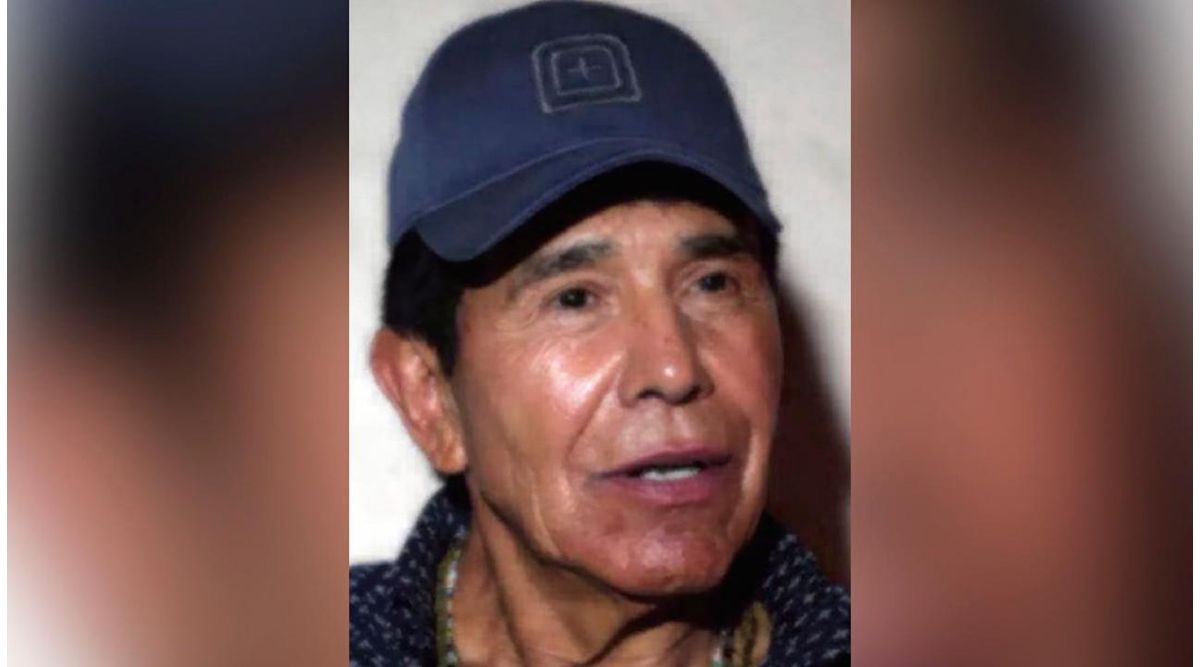
In a significant development in the ongoing fight against drug trafficking, Mexico has extradited notorious drug lord Rafael Caro Quintero along with 28 other cartel members to the United States. This move, confirmed by the U.S. Department of Justice, underscores the complex dynamics of U.S.-Mexico relations and the shared commitment to combatting organized crime. Caro Quintero is infamous for his role in the brutal 1985 murder of DEA agent Enrique 'Kiki' Camarena, an act that remains a dark chapter in the history of drug enforcement in both countries.
A Historic Extradition
Caro Quintero, who was released from prison in 2013 on a technicality after serving 28 years for his involvement in the Camarena case, had returned to drug trafficking, reigniting fears of violence and instability along the U.S.-Mexico border. His extradition comes as part of broader efforts by the U.S. to hold cartel leaders accountable and dismantle their operations. Attorney General Pam Bondi stated, "As President Trump has made clear, cartels are terrorist groups, and this Department of Justice is devoted to destroying cartels and transnational gangs."
Moreover, the timing of these extraditions coincides with high-stakes negotiations between U.S. and Mexican officials regarding trade and security relations. The threat of imposing tariffs by the Trump administration loomed large, compelling Mexico to take decisive action against drug trafficking organizations. The Mexican government emphasized that the transfers were conducted under institutional protocols that respect the fundamental rights of the prisoners involved.
The Broader Implications of Extradition
What does this mean for the future of drug enforcement? The extradition of not only Caro Quintero but also leaders of the Los Zetas cartel signifies a shifting strategy in how both countries approach drug-related crimes. The U.S. has long sought to extradite cartel members to prosecute them under American law, which often carries harsher penalties than those available in Mexico. This could set a precedent for future extraditions, enhancing cooperation between the two nations.
Additionally, the U.S. Department of Justice has stated that the extradited individuals face serious charges, including racketeering, drug trafficking, and murder. This comprehensive approach aims to dismantle the networks that enable drug cartels to operate across borders. For instance, Martin Sotelo, one of the extradited cartel members, is linked to the murder of a Deputy Sheriff in North Carolina, highlighting the transnational impact of cartel violence.
Real-World Impact on Communities
The ramifications of these extraditions extend beyond legal proceedings. Families affected by drug-related violence and addiction are watching closely, hoping for justice and closure. The Camarena family, for example, has been vocal in their pursuit of justice for Enrique, emphasizing that Caro Quintero's return to the U.S. would provide much-needed closure. "His return to the U.S. would give the family much needed closure and serve the best interests of justice," they stated in a letter to the White House.
Moreover, these extraditions could signal a turning point in addressing the opioid crisis fueled by fentanyl and other drugs that flood into communities across the U.S. The ongoing battle against drug trafficking is not just a law enforcement issue; it is a public health crisis that affects countless families and communities.
Looking Ahead
As we look to the future, it is clear that the fight against drug cartels will continue to be a priority for both the U.S. and Mexico. The cooperation shown in the recent extraditions may pave the way for more collaborative efforts to combat drug trafficking and related violence. While challenges remain, this joint initiative demonstrates a commitment to tackling the complex and often dangerous world of organized crime. The message is clear: those who perpetuate violence and destruction will be held accountable, no matter how long it takes.