

Guantanamo Bay, a U.S. naval base located on the southeastern coast of Cuba, has been a focal point of international debate and scrutiny since its establishment. Known for its detention facilities, the base has operated under a complex narrative that intertwines national security, immigration policies, and human rights issues. But where exactly is Guantanamo Bay, and what is its significance today?
Geographical Context and Operational Overview
Situated on a natural harbor, Guantanamo Bay is strategically important due to its proximity to both the U.S. and Latin America. Originally leased to the United States in 1903, the base has evolved into a multifaceted facility. It currently supports various military operations, including the holding of illegal immigrants pending deportation as confirmed by Defense Secretary Pete Hegseth during his recent visit. Hegseth’s remarks highlighted the base’s role in the current administration’s border enforcement strategy, indicating that Guantanamo Bay is not just a relic of past conflicts but a key player in contemporary policy.
Historical Legacy: From Terrorism to Immigration
The historical significance of Guantanamo Bay cannot be understated. Initially used for its role in the War on Terror, the base was home to numerous detainees following the events of September 11, 2001. Over the years, it has been criticized for its treatment of individuals and the legal ambiguities surrounding their detention. However, in recent developments, Guantanamo Bay has shifted its focus toward immigration enforcement. As Hegseth noted, the facility plays a crucial role in the administration’s commitment to assert operational control over the southern border, transforming its image from a detention center for terror suspects to a site involved in mass deportations.
The Current Operations and Future Implications
Today, Guantanamo Bay hosts around 15 detainees linked to the War on Terror alongside individuals awaiting deportation. This dual-use of the facility raises questions about its future and the ethical implications of its operations. During his visit, Hegseth emphasized the importance of the service members stationed there, asserting that their work represents the United States’ commitment to national security. Their actions set the tone for how the nation is perceived globally, a responsibility that weighs heavily on those tasked with these challenging operations.
Engaging with the Troops: Building Morale and Support
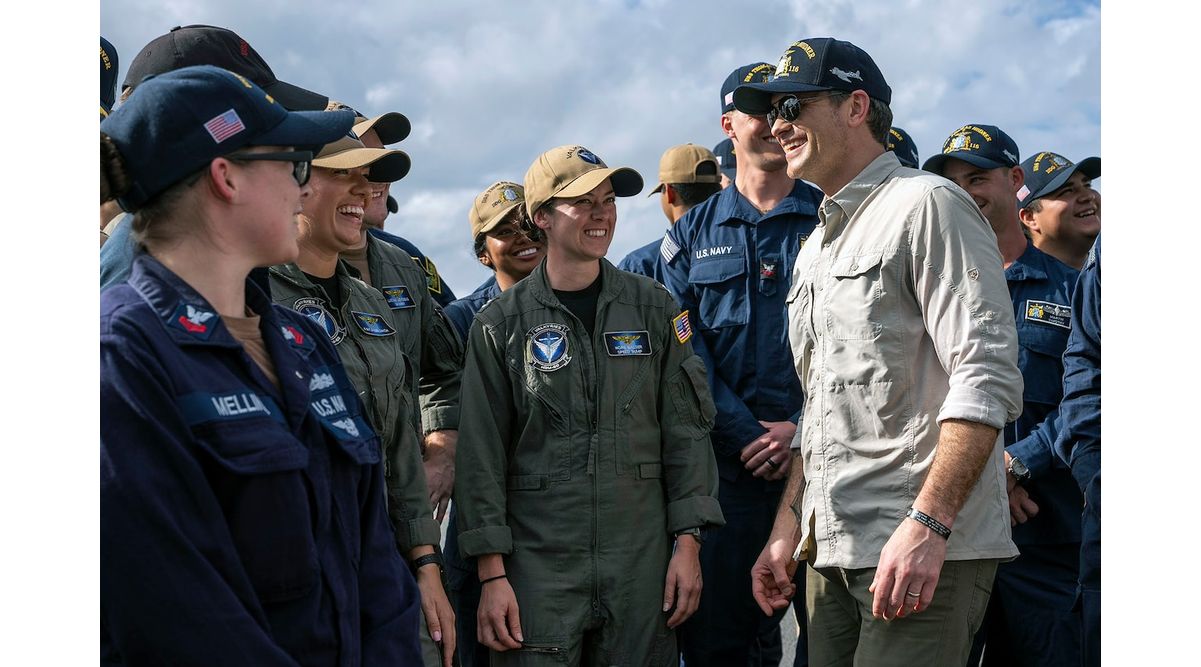
During his address to the troops, Hegseth shared his own experiences from 20 years prior, creating a relatable connection that resonates with the service members. He stressed the significance of their mission and assured them of the administration’s support. This engagement is vital not only for morale but also for reinforcing the message that the operations at Guantanamo Bay are taken seriously at the highest levels of government. The sentiment shared by Hegseth reflects a broader strategy to enhance the public perception of Guantanamo Bay, linking its operations to the current administration’s immigration and border control policies.
Conclusion: A Complex Future Ahead
As we look ahead, Guantanamo Bay stands at a crossroads. Its dual role in national security and immigration enforcement illustrates the ongoing complexities surrounding U.S. policy. While the facility’s history is marred by controversy, it now serves as a critical component of the border enforcement strategy. The question remains: how will this base evolve, and what implications will it hold for future U.S. operations? The developments at Guantanamo Bay are sure to continue shaping discussions on security and human rights for years to come.