

In a significant ruling, U.S. District Judge William Alsup of the Northern District of California has delivered a temporary restraining order against the mass firings of probationary federal employees. This ruling comes amid a contentious climate surrounding federal workforce management, particularly during the Trump administration's push to downsize government operations. The case highlights the critical balance of power between federal agencies and the protections afforded to employees, especially those new to their roles.
What Led to the Ruling?
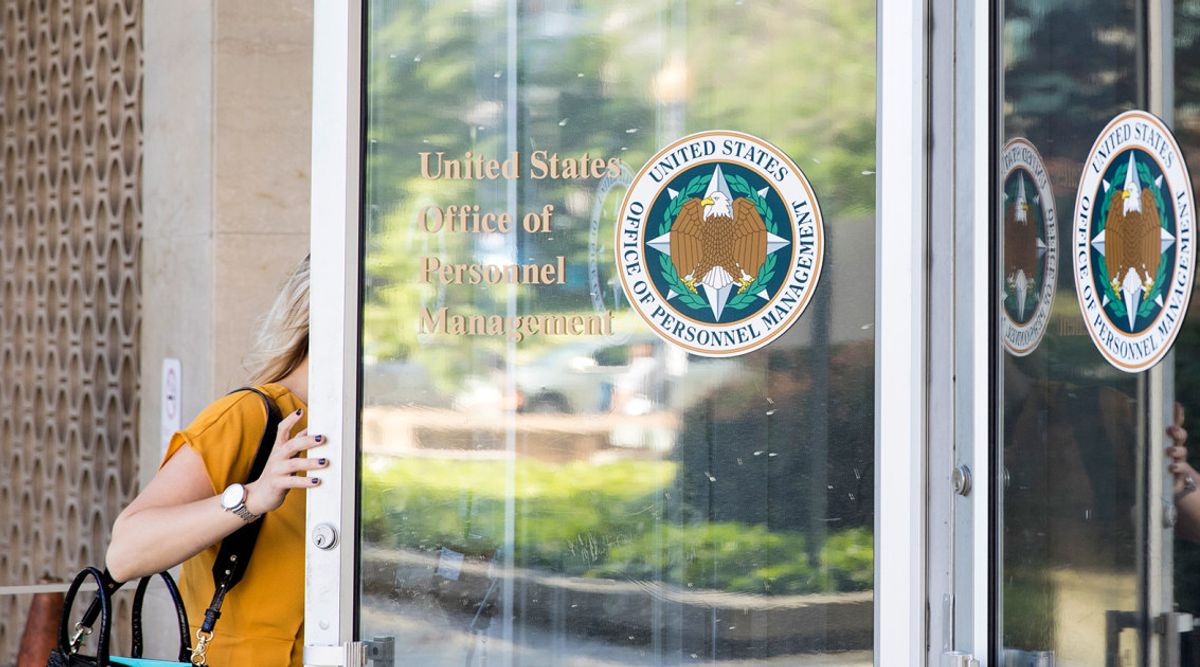
The ruling was a response to a lawsuit filed by a coalition of labor unions and organizations that challenged directives from the Office of Personnel Management (OPM). Judge Alsup's ruling stated unequivocally that OPM lacks the authority to dictate hiring and firing practices across federal agencies. He emphasized, "OPM does not have any authority whatsoever, under any statute in the history of the universe, to hire or fire any employees, but its own." This statement underscores the legal framework that governs federal employment and the necessary checks and balances intended to protect workers from arbitrary dismissals.
The Impact on Probationary Employees
Probationary employees, who typically have less than a year in their roles, are an essential component of the federal workforce. They bring fresh perspectives and skills, often revitalizing government functions. Alsup referred to them as "the lifeblood of our government," a sentiment that resonates with many who understand the importance of nurturing new talent within public service. However, these employees face unique challenges and vulnerabilities, particularly when it comes to job security. The lawsuit brought forth by unions argued that the mass firings were predicated on misleading assertions about performance, casting doubt on the legitimacy of the dismissals.
Legal and Ethical Considerations
During the proceedings, there was considerable debate about whether the communications from OPM were directives or mere suggestions. Judge Alsup's inquiry into the nature of these communications revealed a critical examination of governmental authority. He posited that a coordinated effort to dismiss employees across multiple agencies suggested a more forceful mandate than just guidance. This raises ethical questions about transparency and fairness in government operations—issues that are especially pertinent in a democratic society.
Reactions from Labor Unions
The ruling has been met with optimism from labor unions. Everett Kelley, president of the American Federation of Government Employees, heralded it as an initial victory for those unjustly terminated. He stated, "These are rank-and-file workers who joined the federal government to make a difference in their communities, only to be suddenly terminated due to this administration’s disdain for federal employees and desire to privatize their work." Such sentiments reflect a broader concern regarding the treatment of federal employees and the implications for public service.
Next Steps and Future Implications
Looking forward, the implications of Judge Alsup's ruling may extend far beyond this immediate case. It sets a precedent that could influence future governance and labor relations within the federal workforce. With another hearing scheduled, the legal battle continues, and the outcomes may shape the landscape of employment rights for federal employees. As the case unfolds, it will be interesting to see how the Trump administration responds and what measures it may take regarding the management of federal employees.
In conclusion, Judge William Alsup's ruling is not merely a legal victory for probationary workers; it is a broader affirmation of employee rights within the government. It emphasizes the importance of adhering to lawful processes in personnel management and highlights the ongoing struggle for fairness in the workplace—a struggle that resonates across sectors and industries.