

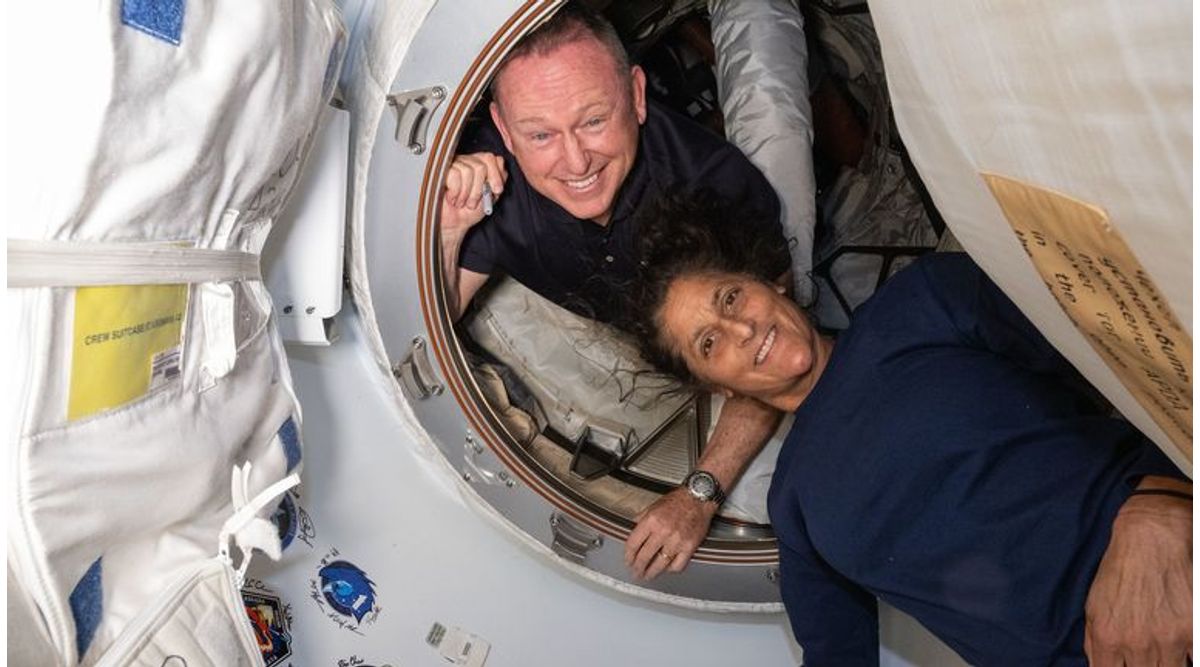
Over the past several months, the world has been captivated by the incredible journey of NASA astronauts Suni Williams and Butch Wilmore. Initially slated for a brief eight-day mission on the International Space Station (ISS), their adventure morphed into a remarkable nine-month odyssey due to unforeseen technical issues with the Boeing Starliner spacecraft. What can this experience teach us about resilience, exploration, and the future of space travel?
What was the unexpected twist in their mission, and how did it impact their strategy and outcome?
The journey for Suni and Butch began on June 5, 2024, with excitement and anticipation. They were part of the first crewed test flight of the Starliner, a spacecraft developed to rival SpaceX’s Crew Dragon. However, as fate would have it, this ambitious mission quickly turned into a saga of challenges. Technical failures, including helium leaks and malfunctioning thrusters, forced NASA to make the difficult decision to send the Starliner back to Earth without its crew. In a twist of fate, Suni and Butch were left aboard the ISS for an extended period, contributing to scientific research and performing spacewalks while waiting for a rescue mission.
Embracing the Experience
Despite the unexpected length of their stay in space, both astronauts maintained positive attitudes. Suni Williams, known for her infectious enthusiasm, expressed how the ISS became her “happy place.” They conducted various experiments, which included studies on the effects of microgravity on the human body and even plumbing maintenance within the station. It’s inspiring to see how they approached their extended mission with a sense of purpose and excitement, turning every day into an opportunity for scientific advancement.
The Emotional Impact of Space Travel
Being away from their families for months weighed heavily on both astronauts. Suni shared her longing for the simple joys of life on Earth, such as the fresh air and sunshine. She mentioned, “I think just the fact that we’re living up here, in this very unique place, gives you an amazing perspective.” This sentiment resonates with many who have experienced long periods of separation from loved ones. The emotional challenges of space travel are just as significant as the physical ones.
The Journey Home
On March 18, 2025, Suni and Butch finally began their long-awaited journey back to Earth aboard a SpaceX Dragon capsule. The undocking marked the end of a mission that had captured global attention. As they descended through the atmosphere, they faced intense g-forces and scorching temperatures, a stark reminder of the challenges of re-entry. The astronauts’ safe landing in the ocean off Florida not only signified their return but also the culmination of a mission that pushed the boundaries of human endurance and exploration.
Looking Ahead
Post-mission, Suni and Butch will undergo medical evaluations to assess the effects of their long stay in space. The impact of microgravity on muscle and bone density, along with other health factors, is an area of ongoing research. As we look to the future, their experiences will undoubtedly inform NASA’s plans for longer missions to the Moon and Mars. Their journey serves as a testament to human ingenuity and the spirit of exploration that drives us to reach for the stars.
Conclusion: A Legacy of Inspiration
The incredible journey of Suni Williams and Butch Wilmore highlights the resilience of astronauts and the importance of preparation in human spaceflight. Their story is not just about the challenges of living in space; it’s about embracing every moment, championing scientific discovery, and inspiring future generations to explore the unknown. As we continue to push the boundaries of space exploration, their legacy will undoubtedly motivate countless others to dream big and reach for the stars.