
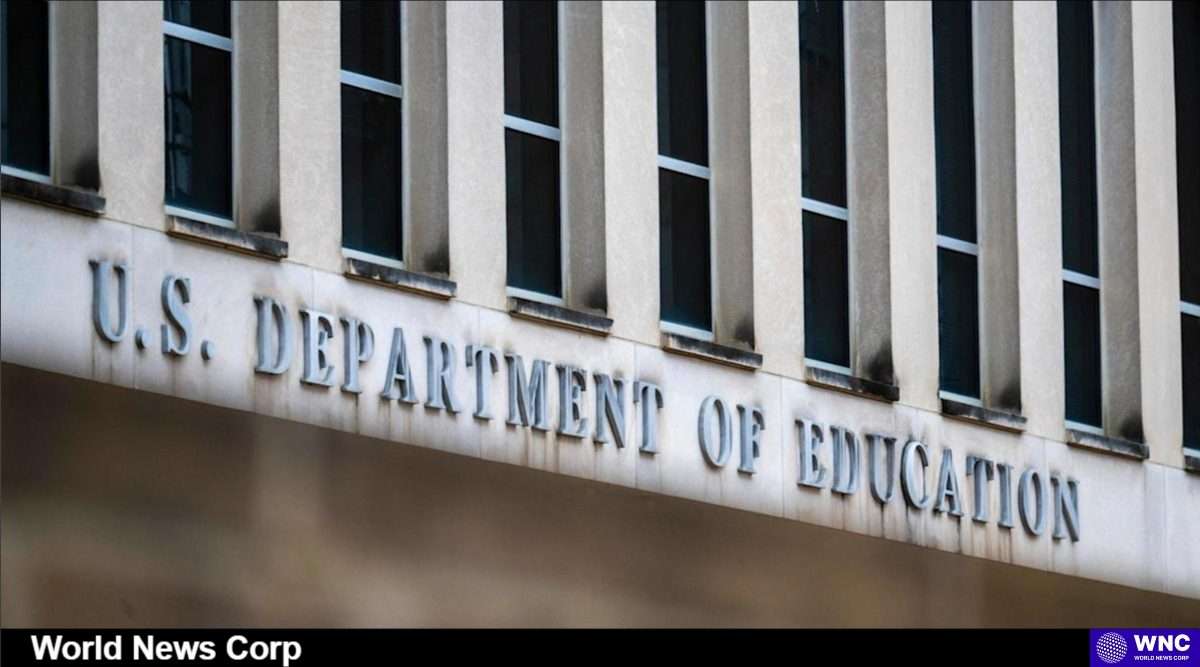
As the U.S. Department of Education gears up to resume collections on defaulted student loans, the economic implications are becoming a focal point of concern among experts and borrowers alike. With over 5 million borrowers set to have their loans sent to collections starting May 5, the timing couldn’t be more precarious. Given the current economic landscape, many are questioning how this decision will affect consumer spending and potentially contribute to a recession.
How Deep Is the U.S. Student Loan Problem?
Currently, about 42 million borrowers owe more than $1.6 trillion in student debt. This staggering figure represents a significant burden on the economy, particularly as many borrowers struggle to make ends meet. The Department of Education’s plan to collect on these loans is part of a broader trend to restore normalcy after the payment pause initiated during the COVID-19 pandemic. However, the potential consequences cannot be overlooked.
What Does Collections Mean for Borrowers?
For those who defaulted, the resumption of collections means that a portion of their wages—up to 15%—could be garnished. This action is not just a penalty; it represents a direct reduction in disposable income that could have been spent on essential goods and services, thereby impacting the economy on a larger scale. As economist Michael Jones points out, “Every dollar that goes to pay the loans is a dollar that won’t be circulated into the economy.”
Additionally, many borrowers may see their credit scores take a hit as collections begin, limiting their ability to make significant purchases like homes and cars. This creates a vicious cycle where reduced consumer spending leads to further economic stagnation. Scott Imberman, a professor at Michigan State University, emphasizes that this added financial strain is ill-timed, especially as the economy is already facing challenges.
The Broader Economic Context
Consumer spending accounts for roughly 70% of U.S. economic activity, and with rising inflation and slowing growth, the impact of student loan collections could be more pronounced. Surveys indicate that consumer sentiment is already souring, and the potential for decreased spending due to loan repayments only adds to the economic uncertainty. However, some experts, like Brent Evans from Vanderbilt University, urge caution. He notes that while the student loan collections will undoubtedly impact borrowers, it’s essential to consider the broader economic context, which is fraught with uncertainty.
Could This Lead to a Recession?
The risk of a recession looms large, and while the student loan collections may not be the sole factor, they could exacerbate existing issues. The Federal Reserve’s interest rate hikes and other economic pressures are already weighing heavily on consumers. In this scenario, the government’s decision to enforce loan repayments could be seen as an additional burden on an already strained populace.
Looking Forward: What Borrowers Can Do
It’s crucial for borrowers to prepare for these changes. The Federal Student Aid office has committed to helping borrowers navigate this transition. They are providing assistance to ensure that monthly payments are manageable within budgets. For those who haven’t been making payments, it’s vital to communicate with loan servicers to explore options like income-driven repayment plans.
In conclusion, while the resumption of student loan collections is a necessary step towards accountability, it brings with it a range of economic implications that could affect millions. As we move forward, understanding these dynamics will be essential for both borrowers and policymakers alike.