

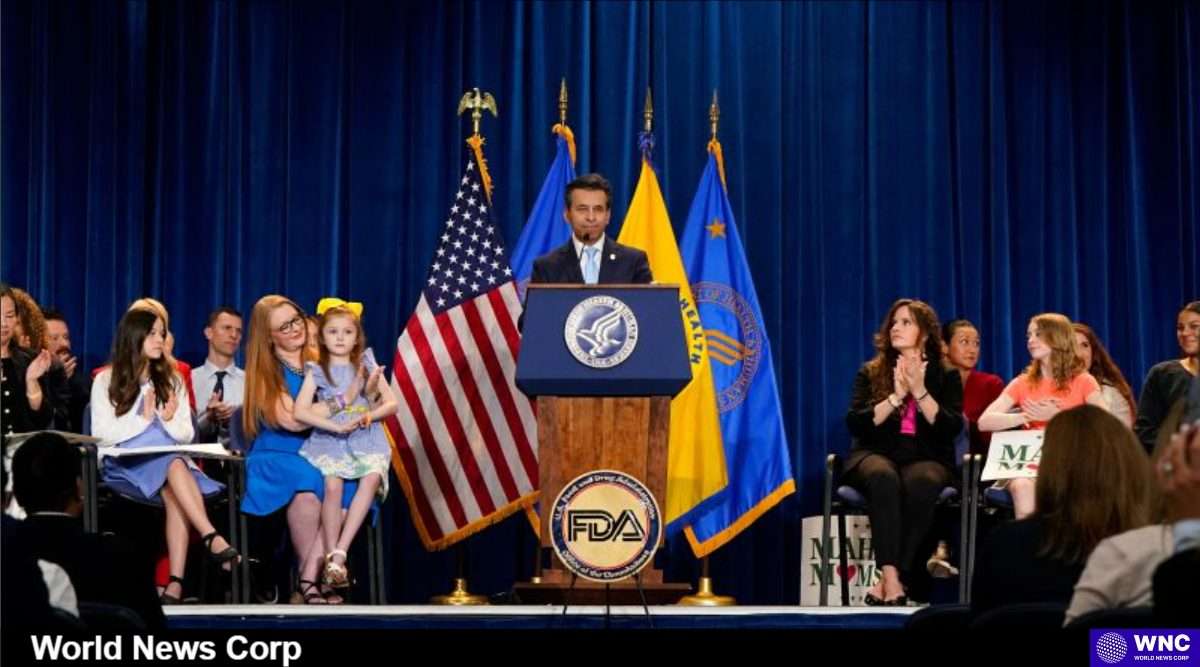
In a significant move towards public health, Health Secretary Robert F. Kennedy Jr. announced plans to phase out petroleum-based artificial food dyes, including Red 40, from the U.S. food supply. This decision aligns with the growing concern over the health implications associated with synthetic colorants and is seen as a crucial step in the “Make America Healthy Again” agenda. For decades, artificial dyes have been used to enhance the visual appeal of food products, attracting consumers with their vibrant colors. However, as research continues to unveil potential links between these dyes and health issues, particularly among children, the FDA’s announcement marks a turning point in food safety regulations.
What Is Red 40 and Why Is It Banned?
Red dye No. 40, also known as Allura Red, has been a staple in American foods since its FDA approval in 1971. It is commonly found in candies, cereals, and beverages, making it one of the most widely used synthetic dyes in the country. While regulatory bodies like the FDA and the European Food Safety Authority have deemed it safe at certain intake levels, ongoing studies suggest a correlation between synthetic dyes and behavioral problems in children. The California Office of Environmental Health Hazard Assessment’s 2021 report highlighted this concern, linking these dyes to hyperactivity and neurobehavioral issues.
This growing body of evidence has spurred a movement towards the ban, with Kennedy emphasizing that removing these substances from food is a “no-brainer.” He stated, “Nobody wants to eat petroleum,” highlighting the public’s increasing demand for transparency and safety in food ingredients. The FDA’s initiative to revoke the authorization for Red 40 and other synthetic dyes aims to mitigate these health risks while promoting the use of natural alternatives.
The Transition to Natural Colors
As the food industry prepares for this major overhaul, companies are exploring natural coloring alternatives. Ingredients like beet juice, turmeric, and carrot juice are gaining popularity as substitutes for synthetic dyes. However, transitioning to these natural options presents its own set of challenges. Natural dyes can be less stable, more expensive, and may not provide the same vibrancy as their synthetic counterparts. For instance, General Mills faced backlash in 2017 when it reverted back to artificial coloring for its Trix cereal after consumers rejected the more muted hues of its naturally dyed version.
Despite these challenges, many companies are committed to reformulation. McCormick, a food flavoring company, reports an increase in reformulation activity as businesses seek to eliminate artificial colors and sodium from their products. This shift not only addresses health concerns but also aligns with consumer preferences for cleaner, more natural ingredients.
The Broader Implications of the Ban
The FDA’s plan to phase out artificial dyes is not just about improving food safety; it’s part of a broader strategy to enhance public health in the United States. Kennedy’s administration is advocating for a fundamental shift in how food is produced and consumed. The aim is to tackle chronic health issues, particularly among children, by prioritizing nutrition over chemical additives. As the FDA collaborates with food manufacturers to implement these changes, the focus will be on creating a healthier food supply while maintaining product appeal.
In conclusion, the impending ban on artificial dyes like Red 40 signifies a significant change in food regulation aimed at protecting public health. As we move forward, it’s essential for consumers to stay informed about these developments and support brands that prioritize health and transparency. As someone who frequently discusses food safety issues, I find this transition to be an encouraging step in the right direction for both consumers and the food industry alike.