
In recent months, Elon Musk, the charismatic CEO of Tesla, has been navigating a tumultuous landscape as he splits his time between running a global electric vehicle powerhouse and overseeing the Department of Government Efficiency (DOGE). This dual role has not only reshaped his focus but has also stirred public sentiment and investor confidence regarding Tesla’s future. As Musk announced a significant drop in his involvement with DOGE, many are left wondering how this shift will affect both his companies and the broader political climate.
How Tesla Benefits from Musk Scaling Back?
During a recent earnings call, Musk revealed that starting next month, he would drastically reduce his time spent at DOGE, allocating only one or two days a week to governmental duties. This decision comes in light of Tesla’s disappointing quarterly results, where revenue and net income fell significantly short of expectations. By stepping back from DOGE, Musk aims to refocus his efforts on Tesla, a move welcomed by investors who have been anxiously watching the company’s stock plummet due to both political strife and production challenges. “Now that the major work of establishing DOGE is done, I can devote more time to Tesla,” Musk stated confidently.
The Impact of Politics on Tesla’s Brand
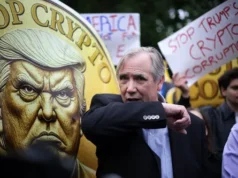
Musk’s role in DOGE has not been without controversy. Critics argue that his political affiliations and initiatives have tarnished Tesla’s brand, leading to protests and vandalism at Tesla locations. The perception of Tesla as a political symbol has deterred some consumers, with market analysts estimating a 15% to 20% permanent demand destruction for future buyers due to Musk’s actions. As he acknowledged the backlash, Musk insisted that cutting waste and fraud was essential not only for DOGE but for the country. “If the ship of America goes down, Tesla will go with it,” he remarked, underlining his belief in the interconnectedness of the two ventures.
Tariffs and Trade War: A Complicated Landscape
Another layer complicating Tesla’s situation is the ongoing trade war and tariff implications. While Musk claimed that Tesla is less affected than most automakers due to its North American supply chains, the reality is that around 30% of automotive parts are still sourced from overseas. This leaves Tesla vulnerable to significant tariff impacts, which could further strain their financial performance. Investors are left questioning the future stability of the company amidst such uncertainties.
A Promising Future or an Uphill Battle?
Despite the challenges, Musk remains optimistic about Tesla’s long-term prospects. He reassured stakeholders that the future of the company is “brighter than ever,” emphasizing that the work on autonomous vehicles and humanoid robots would usher in a new era of innovation. He has promised that by the end of this year, we could see millions of autonomous Teslas on the roads. However, skeptics continue to voice concerns over the feasibility of these ambitious goals, especially given the increasing competition from global EV manufacturers.
Conclusion: The Road Ahead
As we look ahead, the question remains: Will Elon Musk’s reduced role at DOGE allow him to steer Tesla back to the growth trajectory it once enjoyed? The balance between his political ambitions and corporate responsibilities will certainly be a tightrope walk. Investors and consumers alike will be watching closely to see if Musk can navigate these turbulent waters and restore confidence in both his leadership and Tesla’s brand. The coming months will be crucial as Tesla attempts to reclaim its position as a leader in the electric vehicle market while minimizing the fallout from the political controversies surrounding Musk.