

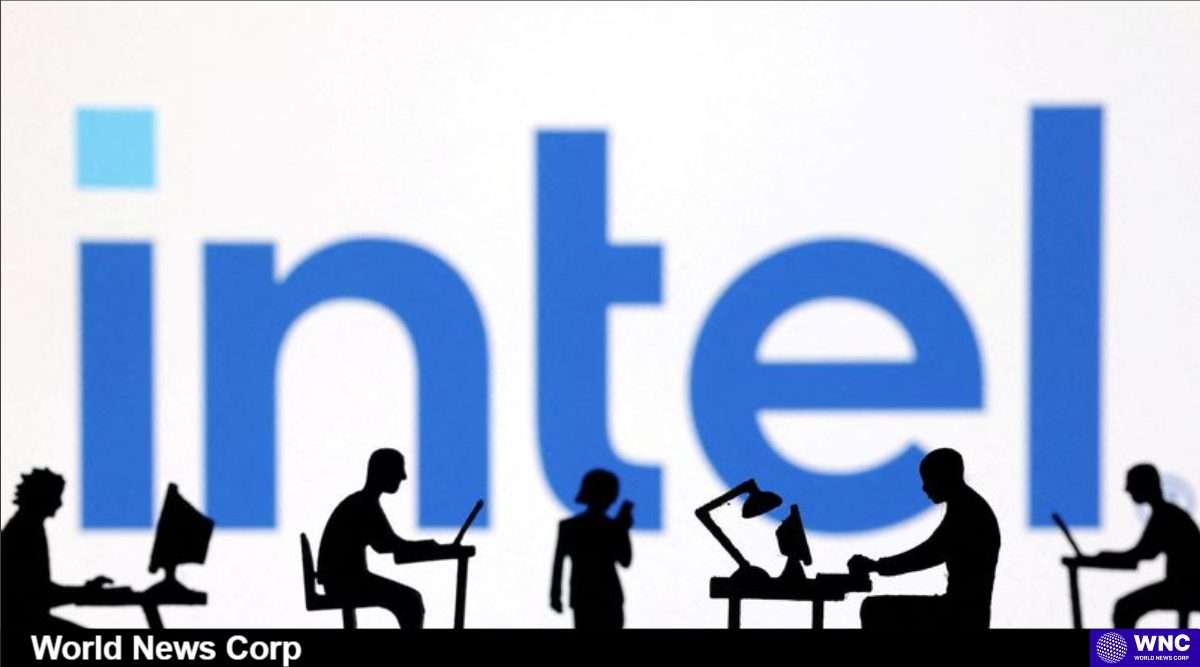
The technology sector is renowned for its rapid evolution and fleeting job security. Recently, Intel, one of the stalwarts of the semiconductor industry, announced sweeping layoffs that will see over 20% of its workforce cut. This decision comes under the new leadership of CEO Lip-Bu Tan, who aims to reshape the company’s operational structure and refocus its mission. But what does this mean for the industry and the employees affected?
How Is Intel Restructuring Its Workforce?
Intel’s decision to reduce its workforce is not an isolated incident. It’s part of a larger trend in the tech industry, where companies are increasingly facing pressures from competition, particularly in the artificial intelligence (AI) sector. Tan’s approach involves flattening the management hierarchy and streamlining operations. This is intended to eliminate inefficiencies and foster a culture of innovation within the company.
The layoffs, which follow a previous reduction of 15% in the workforce last August, reflect the challenges Intel is currently facing. The company has been struggling to keep up with competitors like Nvidia in the AI chip market, and the need for a drastic change in strategy has become apparent. By reducing costs and focusing on engineering-driven initiatives, Intel hopes to regain its competitive edge.
The Impact on Employees and the Tech Workforce
For those who are part of the affected workforce, layoffs can be devastating. Intel’s decision may seem like a strategic move on the surface, but it translates to real consequences for employees and their families. Job insecurity is rampant in the tech industry; even companies that once seemed stable can suddenly shift course. The emotional toll of such decisions cannot be understated.
Moreover, the layoffs raise questions about the future of tech employment. As companies like Intel undergo restructuring, they may prioritize hiring for specific skill sets, particularly in AI and machine learning. This means that while some jobs are disappearing, new opportunities may arise, albeit in different forms. It’s crucial for current tech employees to adapt and upskill, preparing themselves for the evolving job landscape.
What Lies Ahead for Intel and the Semiconductor Industry?
As Intel embarks on this new chapter, industry experts are watching closely. The company’s first-quarter financial results, set to be reported soon, will provide further insight into the effectiveness of its restructuring efforts. If Intel can successfully pivot and innovate, it may be able to stabilize its market position and even create new job opportunities down the line.
However, the broader implications of these layoffs extend beyond Intel. The semiconductor industry is a vital component of the global economy, impacting everything from consumer electronics to automotive technology. As big names in tech make difficult decisions, it’s a reminder of the volatility inherent in the sector.
Conclusion: A Call to Action for Tech Professionals
For those working in tech, Intel’s layoffs serve as a wake-up call. In an industry characterized by rapid change, professionals must remain adaptable and proactive. Continuous learning and networking can help mitigate the risks associated with job insecurity. As we navigate through these turbulent times, it’s essential to stay informed and prepare for the future of work in technology.