

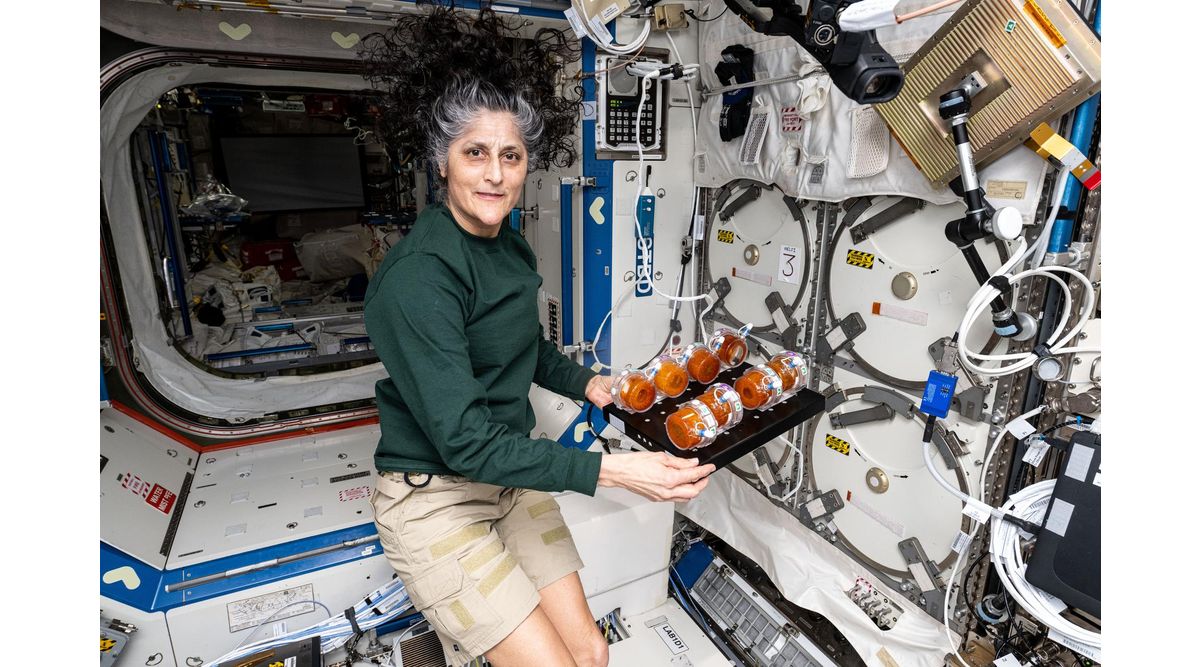
Sunita Williams and Butch Wilmore have recently made headlines, not just for their remarkable contributions to science, but for a journey that took them far beyond what was initially planned. Originally launched aboard Boeing’s Starliner capsule on June 5, 2023, this duo was scheduled for a mere ten-day mission aboard the International Space Station (ISS). However, technical glitches soon turned their adventure into an unexpected nine-month odyssey.
How does NASA prepare for technical failures?
As they embarked on their mission, technical failures with the Starliner spacecraft caused significant delays. From helium leaks to threats posed by space debris, their journey was anything but smooth. NASA’s quick response to these challenges demonstrates the agency’s commitment to safety and operational integrity. Despite these hurdles, Williams and Wilmore remained focused on their scientific endeavors, showcasing remarkable resilience and adaptability in the face of adversity.
Scientific Contributions
During their extended stay, Williams and Wilmore engaged in over 900 hours of research, conducting more than 150 unique experiments. These investigations spanned fields such as space medicine, robotics, and materials science. For instance, Williams took part in the BioNutrients investigation, which explored how engineered microbes could produce essential nutrients during long-duration missions. This research could pave the way for sustainable food sources on future deep-space explorations.
Life in Microgravity
Living in microgravity for such an extended period poses unique challenges. Astronauts often experience changes in muscle mass, bone density, and mental well-being. Williams, an experienced astronaut, had to incorporate rigorous weight training into her daily routine to maintain her health. Moreover, she even participated in a marathon in space during a previous mission, showcasing her physical prowess. Her commitment to fitness is not just personal; it’s essential for the future of long-term space missions.
Leadership and Outreach
As the ISS Commander, Williams held a critical role in ensuring the safety and operational efficiency of the space station. This is a testament to her leadership skills and experience, as she managed the complexities of life in space while also engaging in outreach activities. From sending greetings for Diwali and Christmas to students on Earth to participating in discussions about the upcoming 2024 Paris Olympics, Williams has connected with people back home, despite being hundreds of kilometers above.
Memorable Moments and Returning Home
As their nine-month mission draws to a close, the astronauts reflect on their most memorable experiences in space. From completing lengthy spacewalks—where Williams set a record for the most time spent in space by a woman—to maintaining the ISS and conducting groundbreaking research, their journey has been nothing short of extraordinary. They are finally set to return to Earth on March 16, 2024, aboard SpaceX’s Crew Dragon, marking another milestone in their already illustrious careers.
In conclusion, Sunita Williams and Butch Wilmore’s extended stay aboard the ISS illustrates the challenges and triumphs of modern space exploration. Their resilience in the face of unexpected circumstances and their contributions to science will leave a lasting impact on the future of space travel. As they prepare to re-enter Earth’s atmosphere, one thing is certain: their journey is a testament to human ingenuity and the spirit of exploration.