

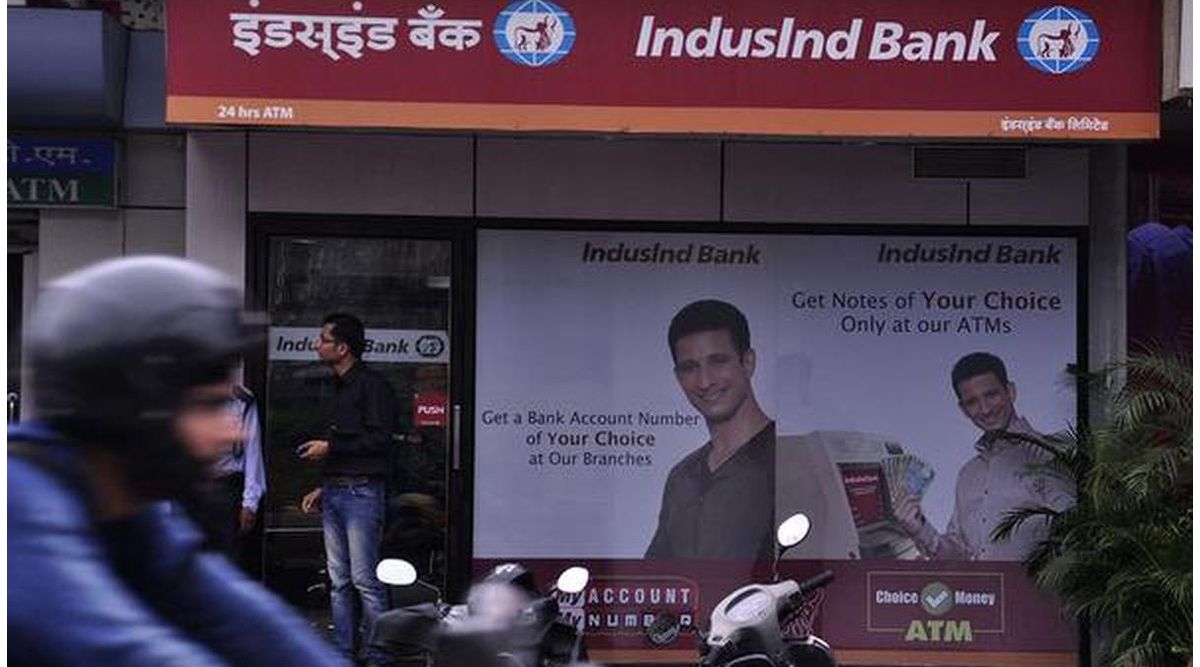
In the ever-evolving landscape of banking, IndusInd Bank is currently facing significant challenges that could redefine its trajectory. Just recently, the bank disclosed an impending hit to its net worth, estimated between ₹1,600 crore and ₹2,000 crore, attributed to discrepancies in years-old derivative transactions. This revelation has sparked concerns among analysts and investors alike, particularly in light of the bank’s leadership stability and market erosion. CEO Sumant Kathpalia has come forward, assuring stakeholders that a comprehensive review has been initiated to address these discrepancies. The bank’s commitment to transparency is evident as it has engaged an external agency to validate its internal findings.
How do global markets respond to such banking crises?
Derivatives, financial instruments that derive their value from underlying assets, play a critical role in modern banking. However, when discrepancies emerge, as they have for IndusInd Bank, the implications can be far-reaching. The bank has attributed these discrepancies to its internal trade book, with findings surfacing between September and October. Such issues can lead to a lack of confidence among investors, resulting in significant stock price movements. The recent 3.87% drop in shares, bringing the stock price down to ₹900.50, is a testament to market sentiment following this disclosure. Investors are understandably cautious, considering the bank’s market value has declined by 37% over the past six months.
Leadership Stability in Question
Adding to the bank’s woes is the uncertainty surrounding its leadership. Sumant Kathpalia’s recent one-year extension as MD and CEO has been met with skepticism. Market analysts have posited that this extension might indicate discomfort with the current leadership, as the Reserve Bank of India (RBI) typically favors longer terms for stability. Kathpalia himself has expressed uncertainty about the rationale behind the extension, indicating a potential shift in leadership could be on the horizon. This speculation is compounded by commentary from market watchers, suggesting that without a CEO with a full three-year term, the bank’s stock may struggle to regain investor confidence.
Steps Towards Recovery
As IndusInd Bank navigates these turbulent waters, it is crucial for stakeholders to keep an eye on the upcoming external auditor’s report, expected by March-end. Such a report will be pivotal in determining the bank’s next steps and its ability to restore stakeholder confidence. Kathpalia has assured that the findings from the review align with preliminary assessments, but the final validation will be critical. The bank’s proactive approach in addressing these issues is commendable, but it remains to be seen how effectively it can implement changes and regain market trust.
Future Outlook
Looking ahead, IndusInd Bank’s ability to stabilize its operations and enhance transparency will be essential in the coming months. The financial landscape is closely watching how the bank manages its internal discrepancies and the leadership question. With the right strategies and effective communication with stakeholders, IndusInd Bank can potentially mitigate the impact of these challenges and pave the way for a more secure financial future. As someone who keeps a close eye on market trends, I can emphasize the importance of taking a wait-and-see approach amidst these developments. Potential investors should consider not only the bank’s current challenges but also its long-term strategies for recovery.
In conclusion, IndusInd Bank stands at a crucial juncture. The resolution of its derivative discrepancies, paired with the stabilization of leadership, will determine its future trajectory in a competitive banking environment.