
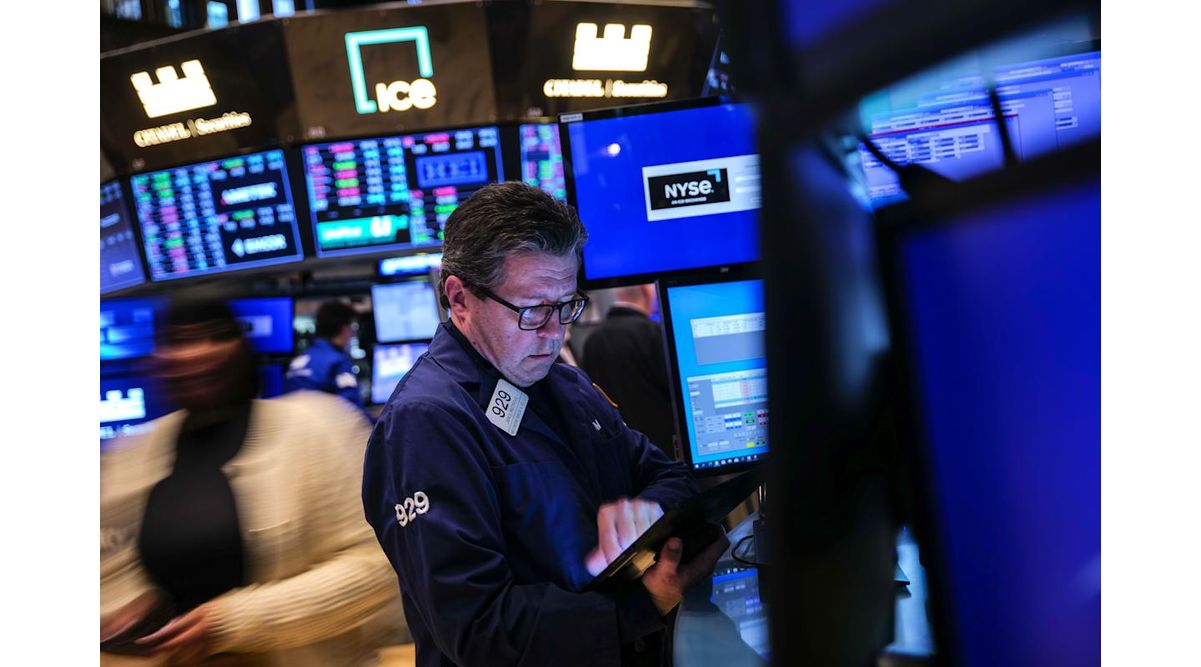
As US stock futures stabilize after a tumultuous sell-off, investors find themselves walking a tightrope. The recent downturn in the market has stirred fears regarding the economy’s trajectory, with futures attached to major indexes like the Dow Jones and Nasdaq showing slight declines. This has raised concerns about the ongoing trade war initiated by President Trump, which has been described as fast-moving and unyielding. Companies are now bracing themselves for the economic impact of these tariffs.
How have Trade wars influenced stock markets?
Delta Airlines recently slashed its quarterly outlook, citing ‘macro uncertainty.’ This statement not only underscores the airline’s concerns but also reflects a broader anxiety permeating various sectors. As a frequent flyer myself, I can’t help but wonder how such corporate decisions affect everyday travelers. If major companies struggle, it may lead to higher prices or fewer available flights for consumers. Investors are keenly watching the Consumer Price Index (CPI) and Producer Price Index (PPI) readings, slated for release soon, as these will provide insight into inflation trends.
Shifting Responsibilities: Who’s in Charge?
Interestingly, President Trump has taken a different approach to the stock market during his second term. He notably stated, “I’m not even looking at the market,” while the Vice President, JD Vance, stepped in to reassure investors. This shift in communication strategies is fascinating. It signifies a fundamental change in how the administration is engaging with economic challenges. Vance’s remarks on supporting companies that build in the US could influence investment decisions moving forward.
Corporate Responses to Economic Signals
The mixed performance of US equities further complicates the landscape. For instance, automotive stocks like Ford and General Motors have seen gains amid speculation that tariffs on Mexico and Canada might be adjusted. In contrast, companies such as Campbells and CrowdStrike are experiencing declines due to poor financial forecasts. This reflects a broader trend where corporate earnings reports are increasingly tied to the economic climate dictated by trade policies. For investors, keeping an eye on sector-specific movements may prove critical in navigating these uncertain waters.
The Road Ahead: What Investors Should Watch
As we look ahead, one cannot help but wonder how long the current trends will persist. Will the Federal Reserve adjust its policies in response to these market fluctuations? Will companies continue to adjust their forecasts as the economic landscape shifts? The uncertainty is palpable, and I recommend that investors stay informed and agile. Keeping abreast of economic indicators and corporate earnings will be key. Moreover, diversifying your investment portfolio could mitigate risk during these unpredictable times.
Conclusion: Staying Informed is Key
In summary, as the landscape of US equities becomes increasingly volatile due to external factors like trade wars and internal economic signals, maintaining a well-informed investment strategy is crucial. The coming weeks will be significant in shaping the economic outlook, and being proactive could make all the difference in your investment outcomes.