

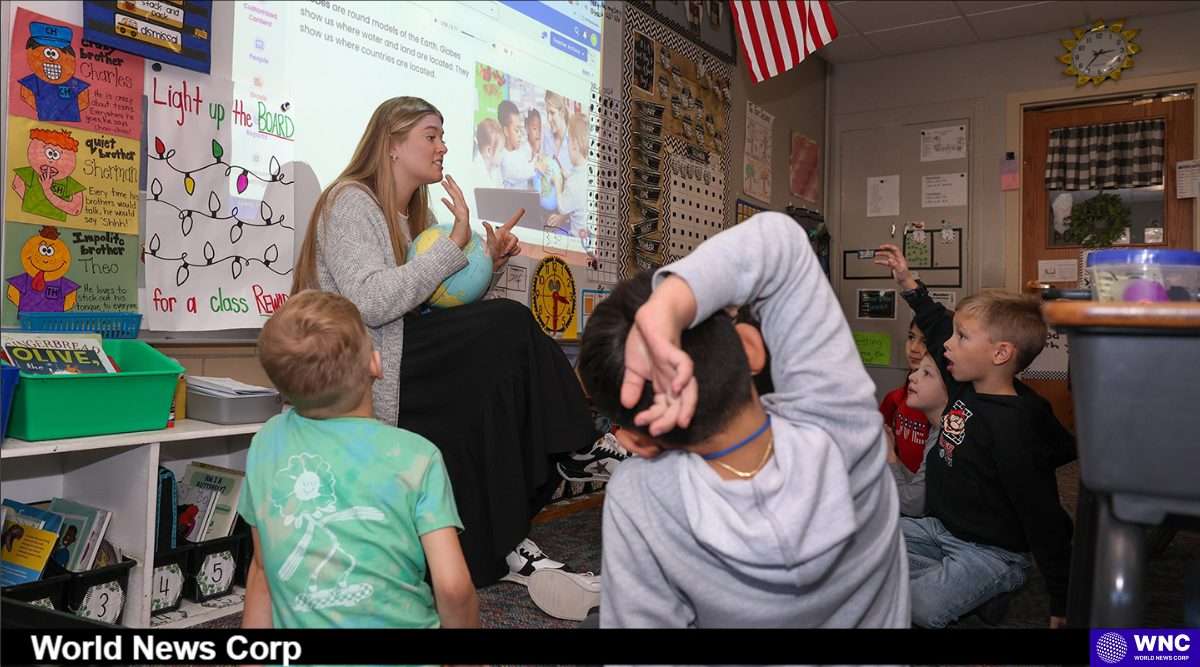
As college tuition continues to escalate, many high school students are turning their attention to Career and Technical Education (CTE) as a viable alternative to traditional four-year degrees. This shift is particularly evident at the Career Magnet Center in Lafourche Parish, Louisiana, where enrollment has nearly doubled in recent years. Bonnie Lefort, the CTE coordinator, plays a crucial role in guiding students through the myriad of options available to them.
How is the landscape of education changing in response to technology, global trends, and evolving student needs?
In the past, the prevailing belief was that a college degree was the only path to success. However, as the job market evolves, so too does the perception of career options. Students at the Career Magnet Center are increasingly opting for programs that focus on practical skills, such as welding and medical courses, which can lead to high-demand careers without the necessity of a four-year college degree. Lefort emphasizes the importance of connecting students’ education to their career aspirations. “I’ve always liked being able to help kids make that connection between school and what their career is going to be,” she states.
Overcoming Stigma
Despite the growing interest in CTE, a stigma still lingers around vocational paths. Many parents and students alike still hold the belief that a traditional college degree is the only route to a successful future. Lefort acknowledges this challenge, saying, “We need to take the stigma off of career and technical education.” It is essential to communicate that CTE can lead to sustainable and well-paying jobs, such as skilled trades positions that are in high demand.
Dual Enrollment: A Bridge to Success
One of the most effective ways to encourage students to explore career paths is through dual enrollment programs. These programs allow high school students to earn college credits while still in school, providing them with a head start in their chosen fields. Currently, only about 20% of dual enrollment courses in Louisiana focus on career education. Lefort believes that this needs to change, advocating for increased funding and attention to CTE courses within dual enrollment initiatives.
Real-World Impact and Future Outlook
Lefort’s efforts have already seen positive results. In just three years, CTE enrollment at the Career Magnet Center has surged to 530 students. The growth can be attributed to a grassroots approach, where educators actively engage with high school students to promote the benefits of CTE. As the state implements a new school-rating system that rewards connections to internships and apprenticeships, the future looks bright for students considering career-focused education.
Conclusion: A Bright Future in CTE
As we navigate an increasingly complex job market, it’s vital that we broaden our understanding of success. Not every career requires a four-year degree, and programs like those offered at the Career Magnet Center provide students with tangible skills that can lead to fulfilling careers. The message is clear: CTE is not just an alternative; it’s a powerful pathway to success for many students. As more individuals recognize the value of vocational training, we can expect a significant shift in how society views education and career readiness.






 in Lafourche Parish as students seek practical career paths over traditional college degrees.)