

In recent months, the academic landscape in Telangana has been shaken by revelations concerning grade inflation at autonomous engineering colleges. This issue, first brought to light by the Vice-Chancellor of Osmania University, has raised significant concerns among educational authorities and stakeholders.
What causes grade inflation, and how does it affect academic standards and student outcomes?
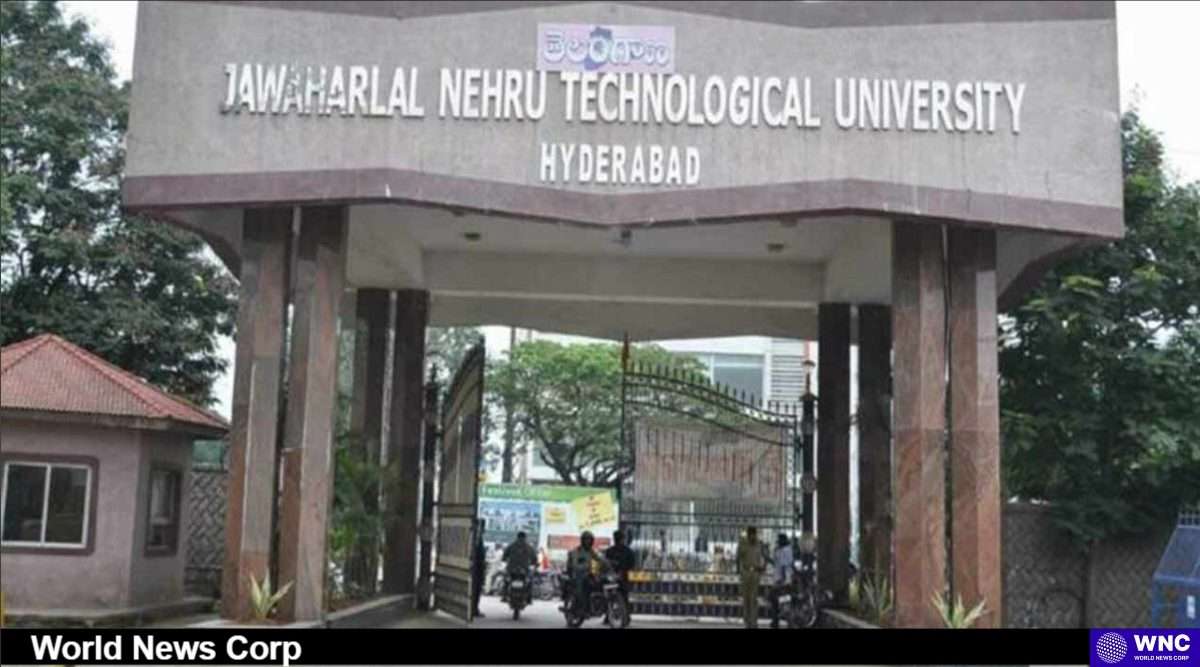
Grade inflation refers to the phenomenon where students receive higher grades than their actual performance warrants. In Telangana, reports indicate a staggering increase of over 25% in the number of engineering students achieving distinction marks after their colleges attained autonomous status. Prof. T Kishen Reddy, Vice-Chancellor of Jawaharlal Nehru Technological University (JNTU) – Hyderabad, highlighted these irregularities during a recent meeting with college managements.
The implications of this trend are far-reaching. It not only undermines the integrity of the educational system but also devalues the hard work of students who earn their grades through genuine effort. As someone who has followed educational developments closely, I find it alarming that many institutions seem to prioritize enrollment and profit over academic rigor.
The Consequences of Inflation on Student Outcomes
The rise in distinctions has raised eyebrows among employers and educational experts alike. With over 20,000 computer science and engineering seats available in the Hyderabad region, the job market is becoming increasingly competitive. Students with inflated grades might find themselves ill-prepared for the demands of the workforce, ultimately leading to a mismatch between education and employment.
Moreover, the variation in course fees across different colleges—from as low as Rs. 40,000 to as high as Rs. 2 lakh for the same programme—raises questions about accessibility and fairness in education. Such disparities not only violate Article 14 of the Indian Constitution, which ensures equality before the law, but also create an environment where the quality of education is inconsistent.
Proposed Solutions and Corrective Measures
In light of these findings, Prof. Reddy has indicated that results from certain institutions will be put on hold pending further investigation. The JNTU is also considering the normalization of marks as a possible solution to curb this manipulation. This step is essential to restoring faith in the academic system and ensuring that grades reflect true student performance.
Additionally, proposals for establishing centers of excellence in research and innovation have been suggested. By leveraging the resources of both affiliated and autonomous colleges, these centers can foster a culture of genuine academic achievement and innovation.
The Role of Stakeholders in Ensuring Academic Integrity
As we navigate these challenges, the role of various stakeholders—university management, faculty, and regulatory bodies—becomes crucial. Universities should not only act as regulators but also as guiding forces to shape the future of education in India. This includes holding academic councils and board governance meetings to discuss and address such pressing issues regularly.
Furthermore, it is imperative that the educational framework evolves to meet the demands of modern technologies, such as artificial intelligence, which are reshaping job opportunities across various sectors. Only by adopting a proactive stance can we ensure that students are equipped with the necessary skills and knowledge to thrive in their careers.
Conclusion: A Call for Collective Action
The issue of grade inflation in autonomous colleges is a wake-up call for all involved in education. It is not merely a matter of academic policy but a broader question of integrity, equity, and the future of our youth. As we move forward, collective action and accountability will be key to restoring confidence in our educational institutions and ensuring that they genuinely prepare students for the challenges ahead.