

In today’s fast-paced world, being informed about current events is more crucial than ever, especially for students. As they navigate their educational journey, understanding the dynamics of politics, international relations, and economic trends can foster critical thinking and broaden their horizons. The knowledge gained from current events not only prepares students for future challenges but also empowers them to engage in meaningful discussions, both inside and outside the classroom.
Why do current events matter, and how do they influence public opinion, policy, and global awareness?
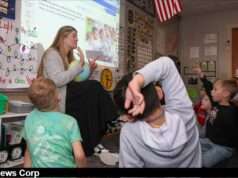
Current events serve as a lens through which students can view the world. For instance, the ongoing debates surrounding climate change have sparked conversations in many school assemblies, encouraging students to think about their role in environmental stewardship. When students discuss these topics, they develop analytical skills, learn to form opinions, and become more informed citizens. Furthermore, understanding global issues can inspire students to pursue careers in fields such as journalism, international relations, or environmental science.
Real-World Examples of Engagement
Take, for example, the recent advancements in international relations. Events like diplomatic negotiations and treaties can seem distant from the lives of students. However, when schools integrate these topics into their curricula, they help students see the relevance of these events. Schools that organize debates or discussions about international conflicts allow students to grasp the complexities of diplomacy and the impact of these decisions on their lives. This engagement is critical in developing a well-rounded worldview.
The Role of School Assemblies
School assemblies play a significant role in disseminating news and educating students about current events. By including segments that highlight the top stories from various fields—business, sports, and politics—assemblies can keep students informed and engaged. For example, if an assembly discusses the latest sports achievements, it not only promotes school spirit but also encourages students to appreciate teamwork and dedication.
Staying Updated in a Digital Age
In our digital age, students have unprecedented access to information. However, this also comes with the challenge of discerning credible sources. Schools can guide students on how to identify reliable news outlets and critically analyze the information they consume. Teaching media literacy is essential for empowering students to make informed decisions and understand the nuances of the news.
Actionable Insights for Students
For students looking to stay updated, here are some practical tips: 1. Subscribe to reputable news outlets or use news aggregation apps to receive daily updates. 2. Participate in school clubs that focus on current events, such as debate clubs or journalism clubs. 3. Discuss current events with peers or family members to gain different perspectives. By taking these steps, students can enhance their understanding of the world and contribute to discussions about pressing issues.
In conclusion, staying updated on current events is not just about knowledge; it’s about fostering a sense of responsibility and connection to the world. As students engage with the news, they prepare themselves for active participation in society, equipping them with the tools to navigate their futures confidently.