

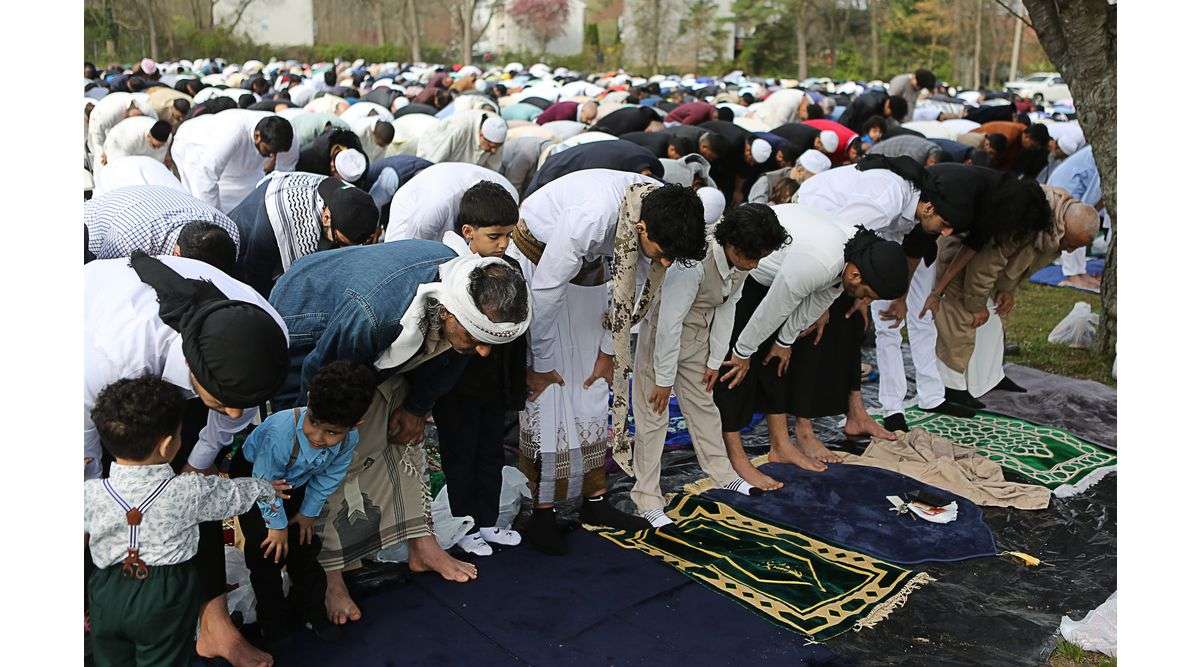
As Ramadan, a month of fasting and spiritual reflection, is prepared to be observed by over a billion Muslims, adjustments to work schedules are being made by many organizations to accommodate this sacred time. This year, it is anticipated that Ramadan will begin around February 28 and will end with Eid al-Fitr on March 30 or March 31, depending on the moon sighting. But what does this mean for the workplace?
The Importance of Adjusted Office Hours
In countries with significant Muslim populations, such as Pakistan and Qatar, changes to office hours during Ramadan are becoming increasingly common. For instance, Pakistani government employees may find their work hours adjusted to 9:00 am to 3:00 pm for five-day workweeks, and until 2:00 pm for six-day weeks. This change is not merely a matter of convenience; it reflects a broader commitment to supporting employees’ spiritual practices.
This alignment of work and worship allows individuals to better engage in religious observance. For many, the morning hours are filled with preparation for the day’s fast, while evenings are reserved for the breaking of the fast, known as Iftar. Having adjusted hours means that employees are not only respecting their religious commitments but also enhancing their overall productivity and morale during this sacred time.
Real-World Examples of Workplace Adjustments
Take a look at a typical day during Ramadan for a government employee in Pakistan. With the new hours, they can complete their work tasks in the morning when their energy levels are higher. By the time they reach midday, they can take short breaks for prayer or reflection, allowing them to maintain a spiritual focus throughout the day. This is a profound shift from the traditional 9-5 schedule that can often feel rigid and unforgiving.
Moreover, organizations that implement these changes are often met with increased employee satisfaction. Many employees report feeling more balanced and supported, leading to a more harmonious work environment. This cultural sensitivity not only boosts employee morale but also enhances loyalty and reduces turnover, which can be invaluable for any organization.
Tips for Managing Work During Ramadan
For those navigating the dual demands of work and fasting, effective time management becomes crucial. Here are some actionable insights to help balance work responsibilities with spiritual duties:
- Plan Meals Wisely: Preparing meals in advance can alleviate stress during Suhoor and Iftar. Focus on balanced meals that sustain energy throughout the day.
- Efficient Work Scheduling: Prioritize important tasks for the morning when you have the most energy. Utilizing productivity tools can also help streamline your workflow.
- Integrate Spiritual Breaks: Allow time throughout the day for prayer and meditation, which can rejuvenate your energy levels and enhance focus.
- Stay Hydrated and Rested: Between Iftar and Suhoor, it’s vital to drink plenty of fluids and ensure adequate sleep. This will help maintain productivity expectations.
Embracing Change for Better Productivity
As more organizations recognize the need for flexible working hours during Ramadan, we are likely to see a trend towards hybrid work models. This not only accommodates employees’ religious commitments but also fosters a more inclusive work culture. While the adjustments may come with challenges, such as shortened deadlines and potential productivity declines, the benefits of enhanced focus on spiritual practices and improved work-life balance cannot be overstated.
In conclusion, navigating Ramadan requires thoughtful planning and adjustments, both personally and organizationally. By understanding and applying these strategies, individuals and organizations can ensure a productive and spiritually fulfilling month. Understanding these insights can help everyone, regardless of their faith, to better appreciate the significance of this time for millions around the world.