

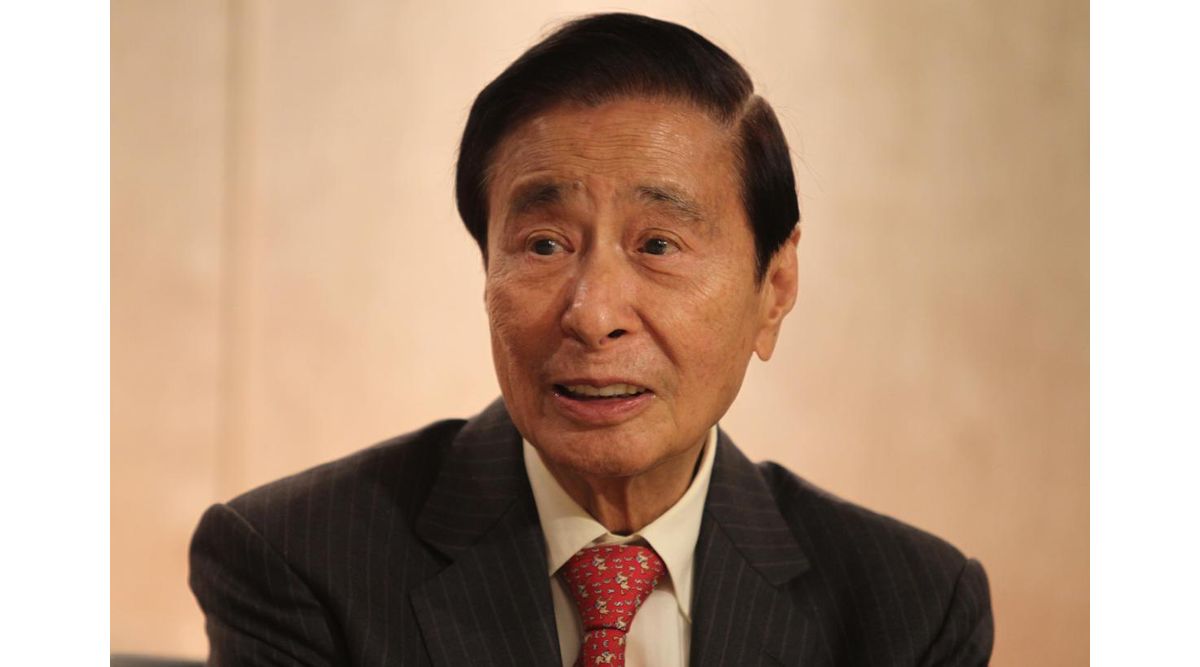
Li Ka-Shing, the founder of Cheung Kong Holdings, passed away peacefully at the age of 97, surrounded by family. His departure marks the end of an era for one of Hong Kong’s most influential business magnates, whose impact extended beyond real estate to philanthropy and education. Born in Guangdong in 1928, Li moved to Hong Kong in 1948, where he began his journey in the business world.
How Did Growth Gain Momentum?
Li’s early career in manufacturing and trading laid the foundation for his future ventures. However, it was his foresight in recognizing the burgeoning demand for housing in post-war Hong Kong that set him apart. In 1976, he founded Cheung Kong Properties, and the company quickly rose to prominence, developing landmark projects like the International Finance Centre. By 1981, Cheung Kong was listed on the Hong Kong Stock Exchange, solidifying its position in the market.
A Visionary in Real Estate
Li Ka-Shing earned the nickname “Asia’s Warren Buffett” for his investment strategies and ability to navigate the turbulent waters of the real estate market. He was known for his innovative marketing techniques, such as offering price guarantees during economic downturns, which helped to instill confidence in potential buyers. One notable example was his 1998 initiative during the Asian financial crisis, where he offered cash compensation for price drops, an unprecedented move that drew widespread attention and sales.
Philanthropic Endeavors
Beyond his business acumen, Li was deeply committed to philanthropy. He established the Li Ka Shing Foundation, which has donated billions to educational and medical initiatives in both Hong Kong and mainland China. His contributions include scholarships for students and funding for educational institutions, demonstrating his belief in the power of education to transform lives. Notably, he set up the Li Ka Shing Scholarship at Oxford University, which continues to support students from diverse backgrounds.
Leadership Transition and Lasting Influence
In 2019, Li stepped down as chairman of Cheung Kong Holdings, passing the reins to his sons. However, his influence remains ingrained in the company and the broader business community. Known for his humility, he often referred to himself as an ordinary investor, despite his extraordinary achievements. Li was a firm believer in giving back to society, and his legacy will undoubtedly inspire future generations.
Conclusion: A Lasting Legacy
Li Ka-Shing’s life was a testament to hard work, innovation, and generosity. His passing is a significant loss for Hong Kong, but his contributions to the business world and society will be remembered for years to come. As we reflect on his legacy, we recognize not only a formidable businessman but also a compassionate philanthropist who dedicated his life to improving the lives of others. His example will continue to guide aspiring entrepreneurs and philanthropists alike.