In recent weeks, the Federal Communications Commission (FCC) has turned the spotlight on YouTube TV, raising serious questions about potential discrimination against faith-based programming. This inquiry comes on the heels of Great American Media’s allegations that their channel, Great American Family, has been systematically excluded from the platform despite its growing popularity. As a regular user of streaming services myself, I was intrigued by how this situation reflects broader trends in content distribution and censorship.
What actions are being taken?
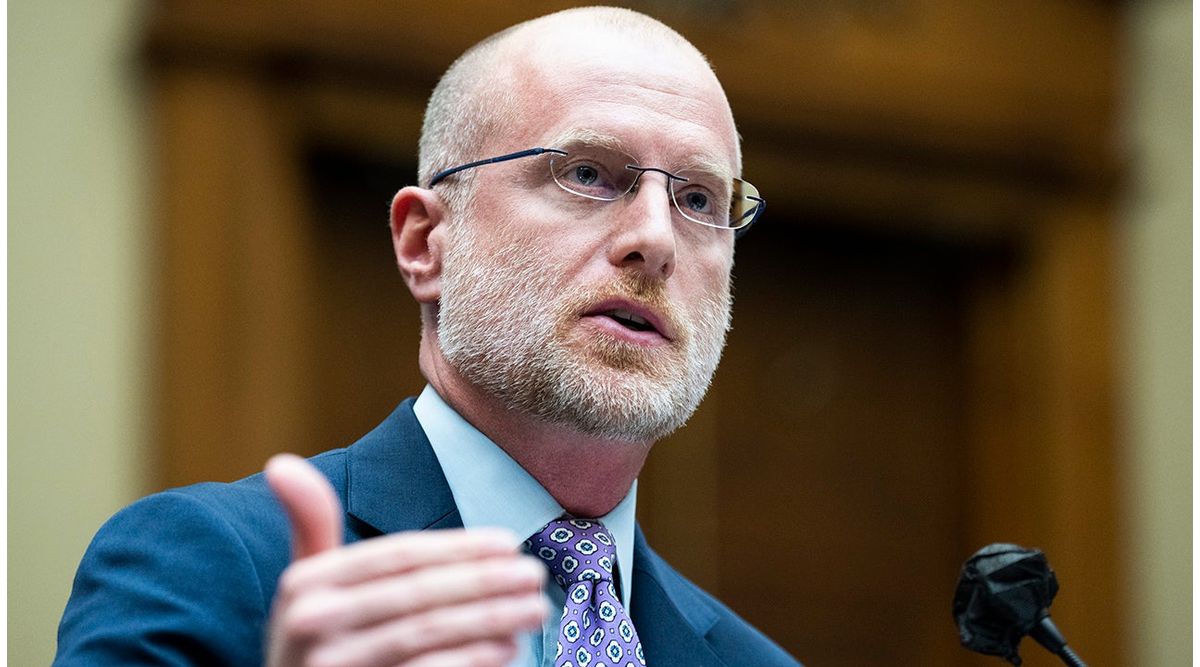
Great American Media has claimed that YouTube TV has a secret policy that marginalizes faith-based content, specifically targeting their network. In a letter to Google’s leadership, FCC Chairman Brendan Carr emphasized that while YouTube TV has not publicly stated a policy against such programming, the repeated rejection of Great American Family raises concerns. The channel highlights family-friendly content that resonates with many viewers, yet it’s not available on a major streaming platform like YouTube TV. This seems contradictory, especially when one considers that the channel is flourishing on other platforms.
The Broader Context of Censorship
The allegations against YouTube TV come amid wider discussions about censorship in the tech industry. Chairman Carr pointed out that the current climate is characterized by increased censorship, especially regarding voices that advocate for traditional values. For instance, he mentioned that many independent programmers have filed complaints with the FCC against various multichannel video programming distributors (MVPDs) for similar reasons. The crux of the issue lies in whether companies like YouTube TV, owned by Google, are exercising discretion that leans toward ideology rather than market demands.
Real-World Implications
The implications of this situation stretch far beyond just one network’s access to a streaming service. As a consumer, I find myself questioning how much influence technology giants hold over the diversity of content available to us. If YouTube TV is indeed favoring certain types of programming over others, it could set a dangerous precedent for what content gets amplified in the digital space. In a world where technology is supposed to democratize access to information and entertainment, we must ask ourselves: who gets to decide what we see?
The Path Forward
As the FCC continues to investigate, it will be important for viewers, content creators, and regulators alike to consider the balance between business decisions and the responsibility to represent diverse viewpoints. Great American Media’s efforts to secure a spot on YouTube TV reflect a growing movement among creators who seek to ensure their voices are heard. In this digital age, it’s crucial that all narratives find a platform, allowing consumers to make informed choices based on a variety of perspectives.
In conclusion, the unfolding situation between YouTube TV and faith-based programming underscores the importance of transparency in content distribution. As consumers, we should advocate for a media landscape that embraces diversity and provides a voice to all, regardless of their ideological stance. The future of platforms like YouTube TV may depend on how they navigate these complex issues in the coming months.