

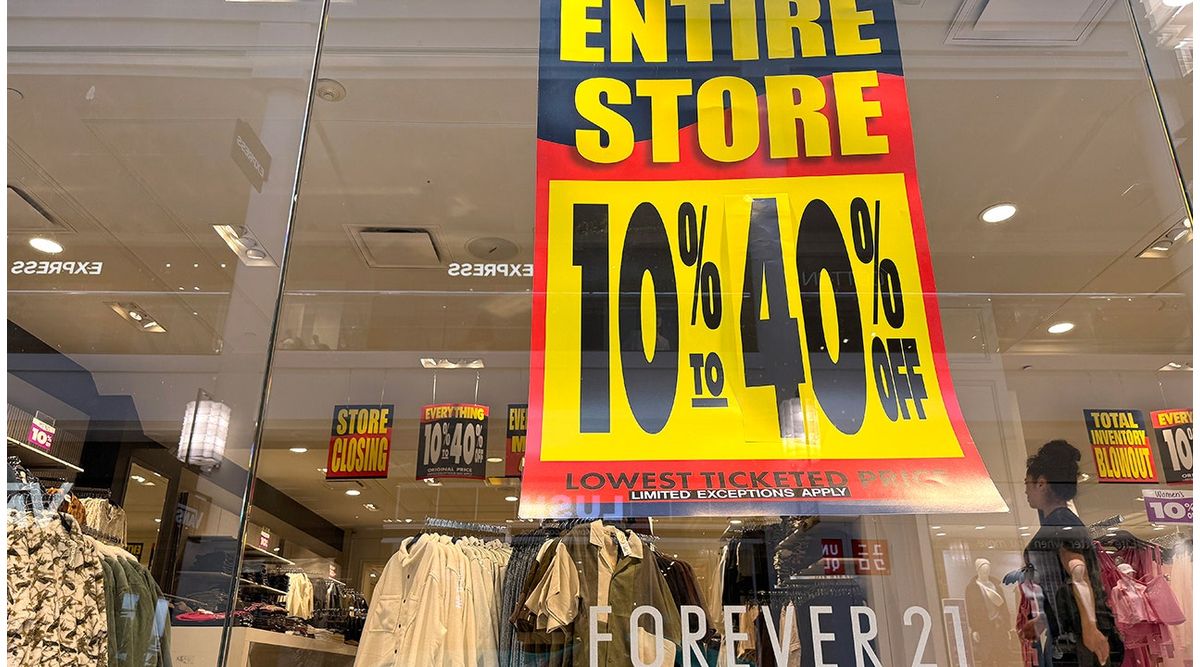
Forever 21, the beloved fast-fashion retailer known for its trendy yet affordable clothing, has recently filed for Chapter 11 bankruptcy for the second time in six years. Once a staple in the wardrobes of teenagers and young adults, the brand has struggled to adapt to the rapidly changing retail environment, marked by dwindling mall traffic and fierce competition from online giants like Amazon, Shein, and Temu. In this blog post, we’ll explore the factors leading to Forever 21’s decline and what this means for the future of fast fashion.
What’s the Future of Brick-and-Mortar Retail?
As a long-time fan of Forever 21 myself, it’s heartbreaking to see how the once-thriving chain has faced significant challenges in recent years. The shift in consumer behavior towards online shopping, compounded by the decline of mall culture in America, has drastically impacted Forever 21’s sales. According to Brad Sell, CFO of F21 OpCo, the company was unable to find a sustainable path forward due to rising costs, competition from foreign fast-fashion brands, and evolving consumer trends. These factors have left the retailer with no choice but to initiate liquidation sales across its remaining U.S. stores.
The Impact of Online Competition
The rise of e-commerce has been a double-edged sword for many retailers, and Forever 21 is no exception. The brand has been unable to keep pace with online competitors that can offer lower prices and faster shipping. The de minimis exemption, which allows goods valued at less than $800 to be imported without tariffs, has particularly favored companies like Shein, making it difficult for Forever 21 to compete on pricing. With online shopping becoming the norm, it’s no surprise that a mall-based retailer like Forever 21 is struggling to maintain its market share.
A Look Back at Forever 21’s Glory Days
Founded in Los Angeles in 1984 by South Korean immigrants, Forever 21 quickly gained popularity for its trendy apparel and budget-friendly prices. At its peak, the retailer boasted around 800 stores worldwide, with a significant presence in the United States. However, after filing for bankruptcy for the first time in September 2019, the company closed over 150 stores and was bought out by Sparc Group. Despite these efforts, the brand has continued to face headwinds that have led to its current situation.
What Lies Ahead for Forever 21?
The recent bankruptcy filing reveals that Forever 21 currently has estimated assets ranging from $100 million to $500 million, while its liabilities are between $1 billion and $10 billion. With between 10,001 and 25,000 creditors, the company is in a precarious position. However, there is a glimmer of hope: if a successful buyer emerges, Forever 21 may pivot away from a complete shutdown and continue operations in some form.
Conclusion: The Future of Fast Fashion
As Forever 21 navigates this difficult chapter, it raises broader questions about the future of fast fashion. Will other brands in similar situations follow suit? Can traditional retailers adapt to the digital age, or will they fade into obscurity? For consumers who have grown attached to the brand, this is a moment of reflection. The evolution of shopping is here, and brands must evolve or risk becoming relics of a bygone era. Forever 21’s story serves as a cautionary tale for the fashion industry as a whole.
In the end, we all hope for the best for Forever 21 and its loyal customers. After all, who doesn’t love a good bargain on trendy clothes?