
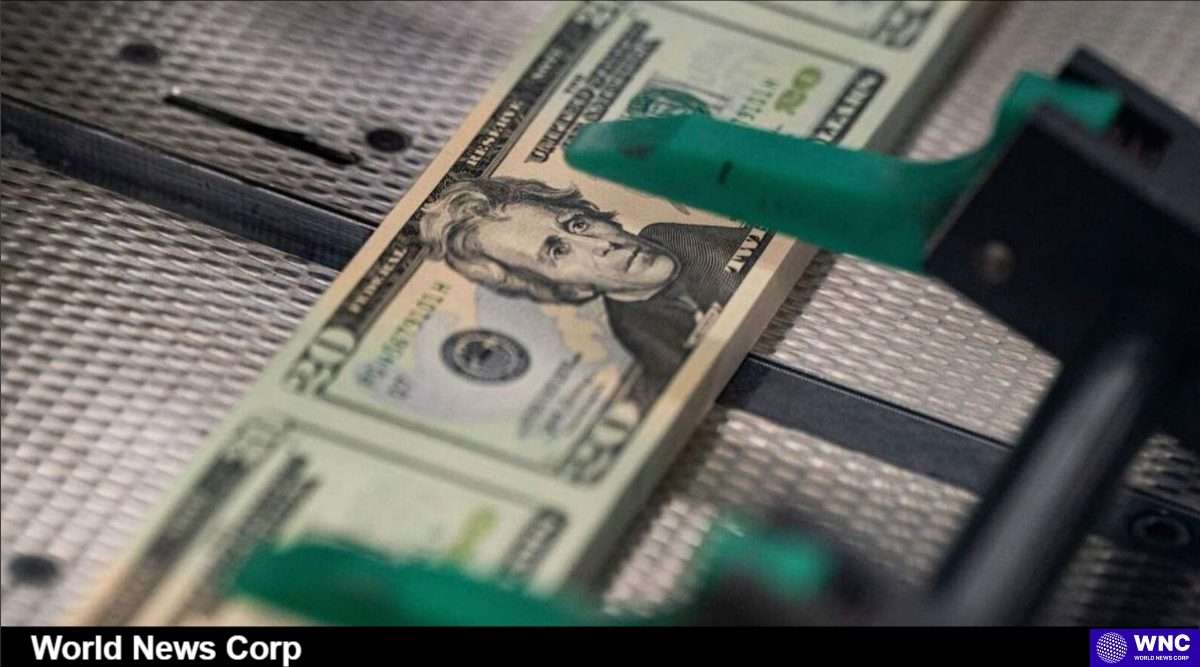
The U.S. dollar has long stood as a pillar of strength in the global economy, but recent trends suggest that this may be changing. As an observer of financial markets, I find it fascinating to witness shifts that impact investors both domestically and internationally. The recent decline of the dollar raises questions about the future of investments in U.S. assets and the potential benefits of diversifying into foreign equities.
What Does a Weaker Dollar Mean for Global Markets ?
A weaker U.S. dollar signifies that it takes more dollars to purchase the same amount of foreign currency. This situation can lead to various consequences for investors. For instance, a depreciating dollar may enhance the competitiveness of U.S. exports, as foreign buyers can purchase American goods at a more favorable exchange rate. However, it also means that imports become more expensive, which could lead to inflationary pressures domestically.
Historically, a weaker dollar has prompted investors to look beyond U.S. markets for opportunities. As financial analyst Luca Paolini noted, there is an assumption that the dollar could lose another 10% to 15% over the next five years. This trend urges American investors to reconsider their long-standing comfort in U.S. equities and explore international markets that may provide better returns.
The Shifting Investment Landscape
The inclination towards foreign stocks is not merely a reaction to a weaker dollar. Investors are increasingly aware that the dynamics of global finance can create opportunities that were previously overlooked. For example, during the past decade, U.S. stocks, particularly those of major tech companies dubbed the “Magnificent Seven,” have dominated the market. However, as we see a potential shift in the economic landscape, it is essential to consider how international equities might perform.
Data indicates that even when excluding the Magnificent Seven, U.S. investors have seen substantial returns over the last 15 years. However, European and Japanese equities have often outperformed their U.S. counterparts when adjusted for currency fluctuations. This highlights the importance of a diversified investment strategy that includes exposure to international markets.
The Case for Diversification
With the current economic uncertainties, diversifying investments has never been more crucial. Investors can mitigate risks associated with currency fluctuations by allocating funds to foreign markets. For instance, historical data shows that international equities, such as those in the MSCI EAFE and MSCI Emerging Markets indexes, have outperformed the S&P 500 during periods when U.S. equities lagged.
Moreover, the ongoing protectionist policies and tariff wars initiated by the U.S. government add another layer of complexity to the investment environment. As companies face increased costs for imported goods and potential retaliatory tariffs, the overall economic landscape may become less favorable for U.S. stocks, emphasizing the need for a global investment perspective.
Conclusion: Preparing for an Uncertain Future
The shift towards a weaker dollar presents both challenges and opportunities for investors. As we navigate this uncertain terrain, maintaining a diversified portfolio that includes both U.S. and international equities may be essential for long-term success. While the allure of American stocks remains strong, the potential benefits of exploring foreign investments cannot be ignored.
In summary, the current economic climate requires investors to rethink their strategies. As we look ahead, it may be wise to embrace a more global approach to investing, ensuring resilience against the evolving dynamics of the market. Whether through currency-hedged investments or a focus on undervalued international stocks, the opportunities are ripe for those willing to adapt.