
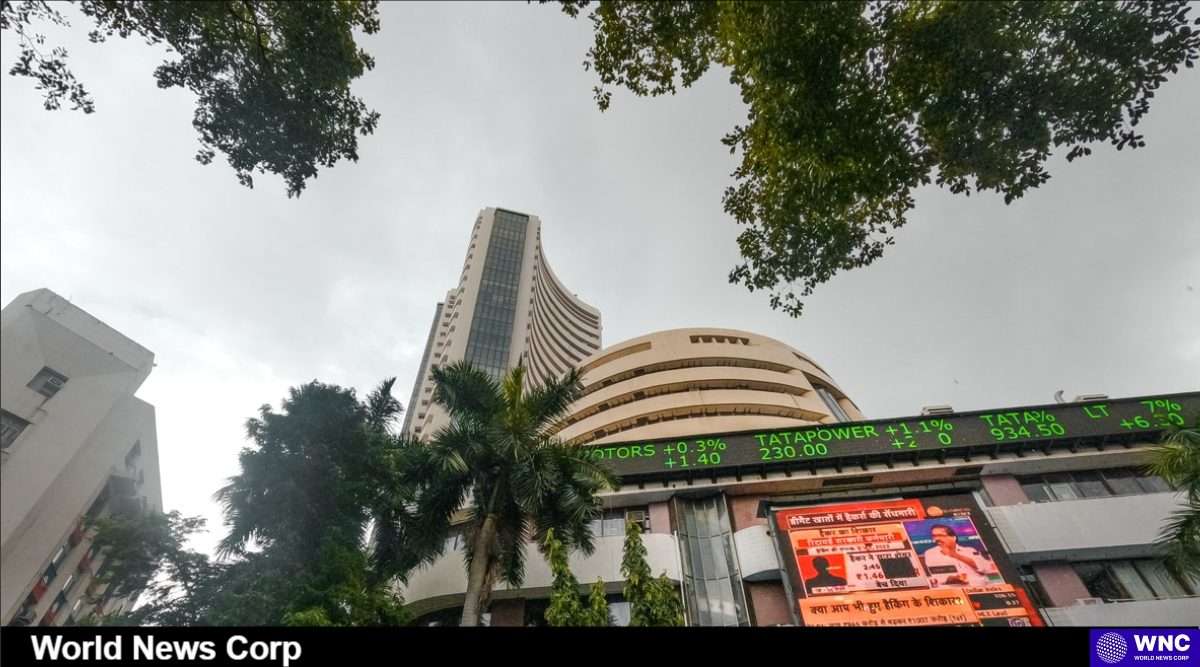
In recent weeks, the Indian stock market has been under significant pressure, with the Sensex reflecting the volatile global economic landscape. As a reporter passionate about financial markets, I’ve noticed that the fluctuations of the Sensex, which represents the top 30 companies listed on the Bombay Stock Exchange, often serve as a barometer for investor sentiment and economic health. So, what exactly is influencing these dramatic changes in the Sensex?
What are the key changes in the new policy?
The Sensex recently experienced a staggering decline of nearly 4,000 points, plummeting to a 10-month low. This sharp decrease can largely be attributed to external factors such as U.S. President Donald Trump’s tariffs, which have ignited fears of a global trade war. As an observer of market trends, I find it fascinating how international events can ripple through local economies, leading to immediate reactions in the stock market.
The Role of Global Events
When major economies like the United States make drastic policy changes, the effects can be widespread. For instance, Trump’s tariffs aimed at correcting perceived trade imbalances have not only caused chaos in the U.S. markets but have also reverberated through Asian equities, including India’s. Countries like China and Japan have seen their stock markets tumble as investors react to the uncertainty surrounding international trade. The fallout from these tariffs has been clear: the Sensex is not just a reflection of Indian economic health but is deeply intertwined with global financial dynamics.
Navigating Market Volatility
Given the current climate, analysts recommend that investors adopt a cautious approach. Ajay Bagga, a noted market expert, emphasizes the need for a robust fiscal and monetary reform package to safeguard India’s economy from external shocks. He suggests that sectors with less dependence on exports to the U.S. may fare better during this turbulent time. As I delve deeper into this analysis, it becomes evident that understanding market correlations is key for investors navigating these choppy waters.
Long-term Perspectives
While the immediate future may seem grim, not all is lost. Dr. V K Vijayakumar, Chief Investment Strategist at Geojit Financial Services, reminds us that India is relatively insulated compared to other markets, given that exports to the U.S. account for only about 2% of India’s GDP. This perspective offers a glimmer of hope amidst the chaos. Investors should consider focusing on domestic consumption sectors that are likely to remain resilient, such as financials, digital services, and pharmaceuticals.
Conclusion: What Lies Ahead?
As we look ahead, the Sensex will likely continue to respond to both domestic and international cues. The upcoming weeks will be critical, with key economic indicators set to be released. It’s a waiting game now—investors must remain vigilant and informed. The market’s future trajectory will depend on how global events unfold, and as always, time will tell. For those of us following the markets closely, this is a challenging yet fascinating time to be involved in finance.