Children’s Mental Health Week is a great initiative for awareness about the issues of mental health that prevail in young people. This year, from February 3 to February 9, the theme has been set to ‘Know Yourself, Grow Yourself.’ The theme is going to help the youth develop self-awareness and create resilience and emotional well-being within them.
Understanding Mental Health
Mental health encompasses our emotional, psychological, and social wellbeing. It influences the way we think, feel, and act to help us understand ourselves, communicate with others, and deal with stress. No one can live without experiencing some of these feelings of joy, sadness, and anxiety at different periods of one’s life. Yet once the same emotions start controlling our daily activities, they become troublesome and contribute to mental health issues.
The Role of Self-Awareness
Self-awareness is being aware of what a person is feeling, thinking, and holding in terms of values. For children, self-awareness plays a significant role because it has to do with their growing complexity. Knowing more about themselves would allow children to determine what is causing them happiness or anxiety; it is through this that growth occurs. A child who realizes that social conditions scare them would prepare better for those situations or find someone to support them.
Activities to Foster Self-Awareness
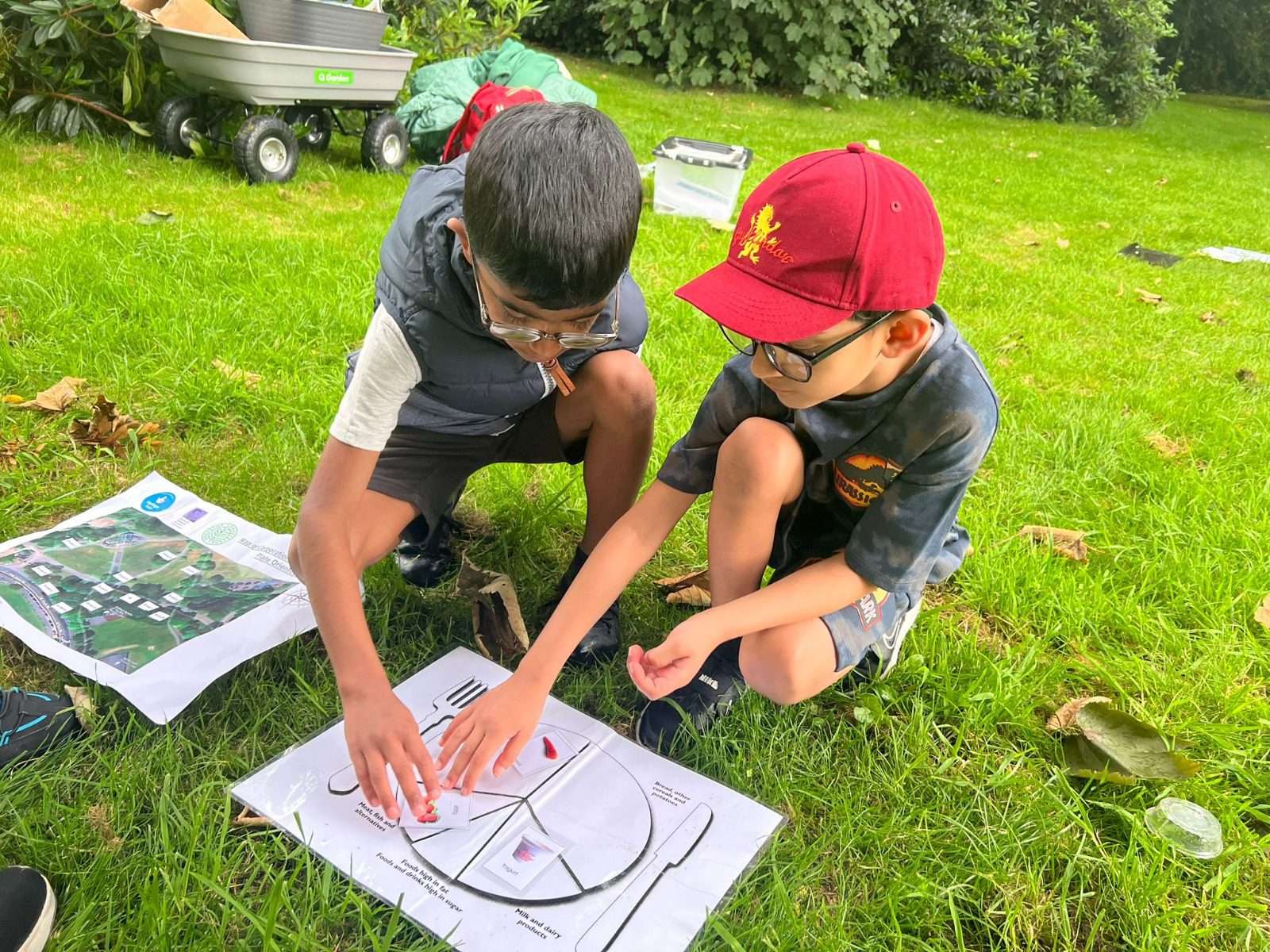
During Children’s Mental Health Week, different activities are planned to create self-awareness among young minds. Schools and organizations in the UK are taking part in mindfulness sessions, group discussions, and creative workshops. For instance, the IMO Charity’s activities in Blackburn are based on creating a safe space for children to understand their emotions. These sessions offer young people a priceless chance to express themselves and learn from one another.
Real-Life Examples
East Anglia’s Children’s Hospices (EACH) is similarly involved in this campaign. Their wellbeing support groups focus on educating not only the child but also the whole family, including siblings, that mental wellbeing is beneficial for everyone.
Going back to the campaign, this awareness encourages open conversations between family members and loved ones; after all, it’s healthier to state the problem than bottle it up.
Talking about mental health can be difficult; particularly for children. Mental Health Week provides a normative opportunity to talk about it. Celebrities, like Harry Kane, have spelt out how they might come forward and what is important about talking about one’s feelings. When the news stars support talking about their mental health, children are more likely to open up and seek professional help whenever need be.
Conclusion: The Way Forward
As Children’s Mental Health Week unfolds, schools, families, and communities need to engage in conversations about mental health and self-awareness. We can better help young people face life’s challenges by giving them the tools to understand their emotions and build resilience. Remember, every conversation about mental health is a step towards breaking the stigma and ensuring that no child feels alone in their struggles.