

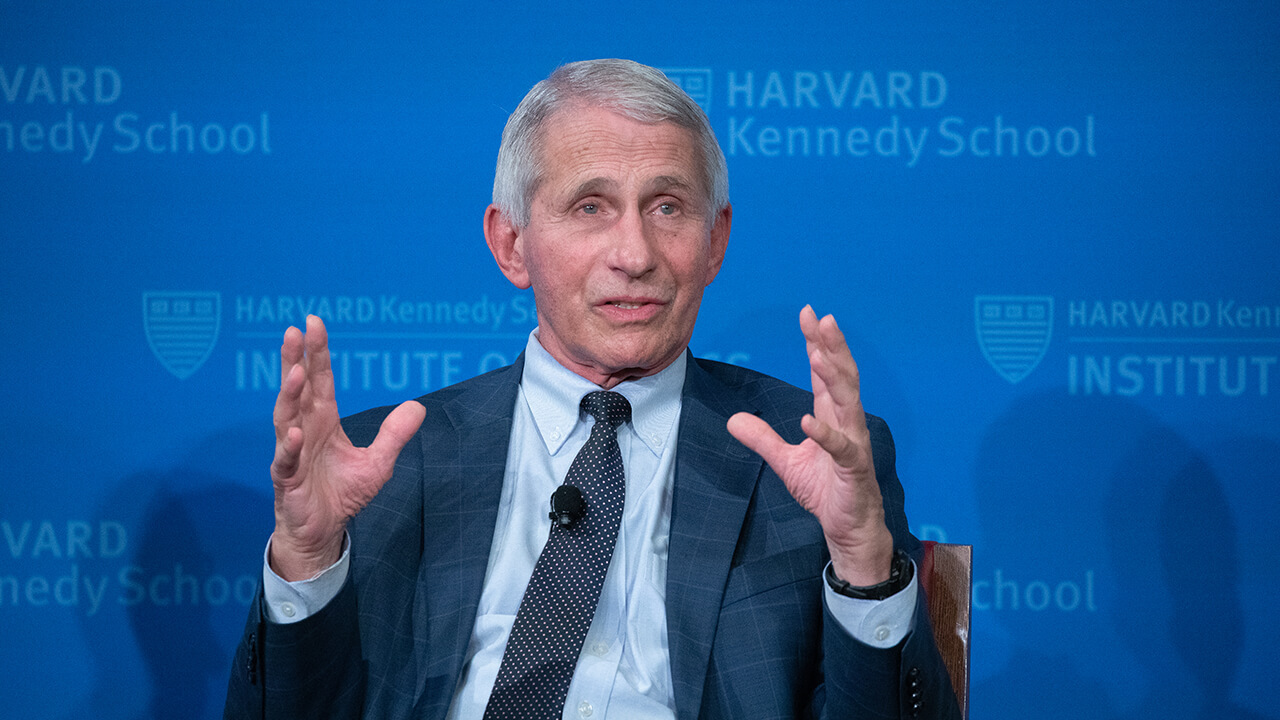
In the world of health and medicine, few figures have stirred as much debate as Dr. Anthony Fauci. Recently, actor Woody Harrelson took to the popular podcast ‘The Joe Rogan Experience’ to express his vehement criticism of Fauci’s handling of two major health crises: the AIDS epidemic of the 1980s and the COVID-19 pandemic. Harrelson’s comments have reignited discussions about Fauci’s legacy, public trust in health officials, and the implications of medical decisions on real lives.
The AIDS Crisis and AZT: A Dark Chapter in Medical History
Woody Harrelson cited Fauci’s promotion of azidothymidine (AZT) during the AIDS crisis as a significant point of contention. AZT was the first drug approved for the treatment of AIDS, but it was marred by controversy. Many viewed it as a toxic and ineffective solution that led to unnecessary suffering and loss of life. Harrelson lamented, “I don’t know how many people got killed.” His personal connection to the issue, having lost friends to the drug’s side effects, adds an emotional weight to his critique. This sentiment echoes the feelings of many who believe that certain medical decisions made during crises can have long-lasting consequences.
COVID-19 and the Vaccination Debate
Fast forward to the COVID-19 pandemic, and Fauci found himself at the center of another storm. His role in promoting vaccines and public health measures has been met with fierce opposition from anti-vaccine advocates and some segments of the public. Critics argue that his approach was overly authoritarian, while supporters maintain that he played a crucial role in mitigating the pandemic’s impact. The polarization of opinion on Fauci mirrors the broader societal divide regarding trust in science and government during health emergencies.
The Role of Public Figures in Shaping Health Narratives
Harrelson’s comments reflect a growing trend where public figures influence health narratives. During his podcast appearance, he praised Robert F. Kennedy Jr., a controversial figure known for his anti-vaccine stance, calling him a “heroic” man who cares deeply about health issues. This raises the question: how much power do celebrities wield in shaping public opinion on health matters? In an age where social media amplifies voices, the intersection of celebrity and healthcare can be a double-edged sword, leading to both positive awareness and dangerous misinformation.
Legal Implications and the Future of Accountability
Interestingly, Fauci’s legal standing has also come into play. After former President Biden granted Fauci a preemptive pardon, discussions around accountability for public health officials have intensified. Critics like Harrelson argue that such pardons undermine the accountability that should accompany public service, especially in matters that profoundly affect lives. As the legal landscape shifts, it raises questions about how future public health crises will be handled, and whether officials will feel empowered to make bold decisions without fear of repercussions.
Conclusion: A Legacy in Flux
As we navigate the aftermath of the COVID-19 pandemic and reflect on the AIDS crisis, Dr. Anthony Fauci’s legacy remains complex and contentious. The criticisms from prominent figures like Woody Harrelson spotlight the need for ongoing dialogue about medical ethics, public health policy, and the responsibilities of those in power. Ultimately, the conversations sparked by these critiques serve as a reminder of the importance of transparency, accountability, and compassion in the realm of public health.