

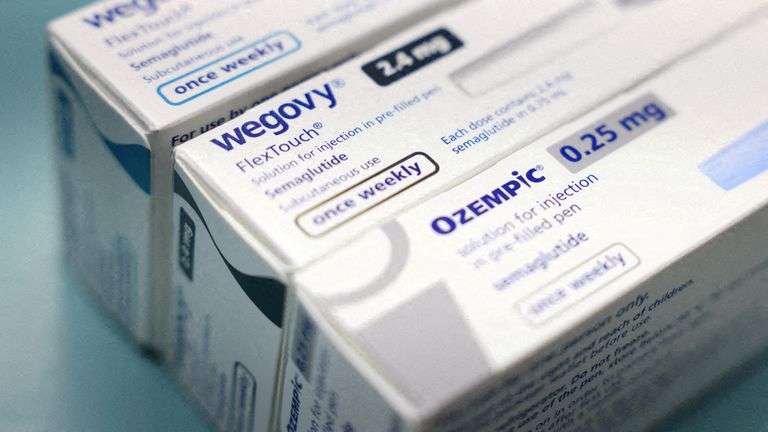
Recent months have seen an explosion in the use of weight-loss medications, such as Mounjaro and Ozempic, in part because these drugs have been found to be very effective at helping people control their weight and health. With their increasing popularity comes concern about their availability and the possibility of abuse, prompting regulatory bodies to crack down on their prescription. This blog post explores the latest regulations around these medications, the science of how they work, and what patients need to consider before going for treatment.
Understanding Mounjaro and Ozempic
Mounjaro (tirzepatide) and Ozempic (semaglutide) are GLP-1 receptor agonists, which were developed to treat type 2 diabetes. These drugs work by mimicking the action of incretin hormones, which stimulate insulin secretion and suppress appetite. This dual action results in weight loss and improved glycemic control, which is why these drugs have gained popularity among obese patients. Patients and healthcare providers alike have been drawn to studies showing significant weight loss among users.
The Demand Surge
The demand for Mounjaro and Ozempic had skyrocketed over anecdotal reportage of striking weight loss emerging on social and lifestyle media outlets. But popularity comes with an unappealing price tag in this case as concerns over abusive prescriptions have popped up, raising fears that, for instance, some online drugstores are marketing these drugs for patients who actually do not even qualify under prescribed health conditions; thus, wave after wave of regulatory scrutiny falls upon patient protection.
New Regulatory Measures The General Pharmaceutical Council (GPhC) tightened the prescribing guidelines for weight-reduction drugs over these issues. Online pharmacies have been banned to prescribe drugs strictly based on the questionnaires filed by patients and photo submissions in order to validate prescriptions. Thus, they would have to get into proper consultation with the patients, which would be either done through video or face-to-face consultation, checking the BMI status of the patients and their background medical history.
The significance of proper consultation
The GPhC has now updated its guidelines to require proper consultations that ensure patients are protected from potential harm. This means that prescriptions are only issued to those who need them and not to those who may be faking their health status. It is through verification of BMI and other health metrics that the GPhC seeks to prevent such situations where individuals with eating disorders or those at a healthy weight receive these high-risk medications inappropriately.
Practical Consequences
For patients who would like to be prescribed Mounjaro or Ozempic, this new regulation will mean that getting access to these drugs will be more challenging and take longer. This is a step in the right direction for ensuring patient safety and successful treatment. Patients should discuss their weight loss goals with their GP or other qualified healthcare provider to determine if these drugs are appropriate for their individual situation.
Conclusion: What Patients Should Do
With the rapidly changing terrain of antiobesity drugs, patients must be well-informed of the requirements and regulations set for access to such medications. Although the new policy may seem to be a grind, it is meant for the protection of the patient as well as judicious prescribing. If you’re contemplating Mounjaro or Ozempic, have open discussions with your care providers, and be ready to get a proper assessment by healthcare professionals. This proactive approach will help ensure that you receive the safest and most effective care tailored to your needs.
Conclusion
In a nutshell, the tightening of prescription criteria for Mounjaro and Ozempic is a significant step towards greater accountability and patient safety in the field of weight-loss medications. In understanding these changes, patients are empowered to make informed decisions regarding their health and treatment options.