
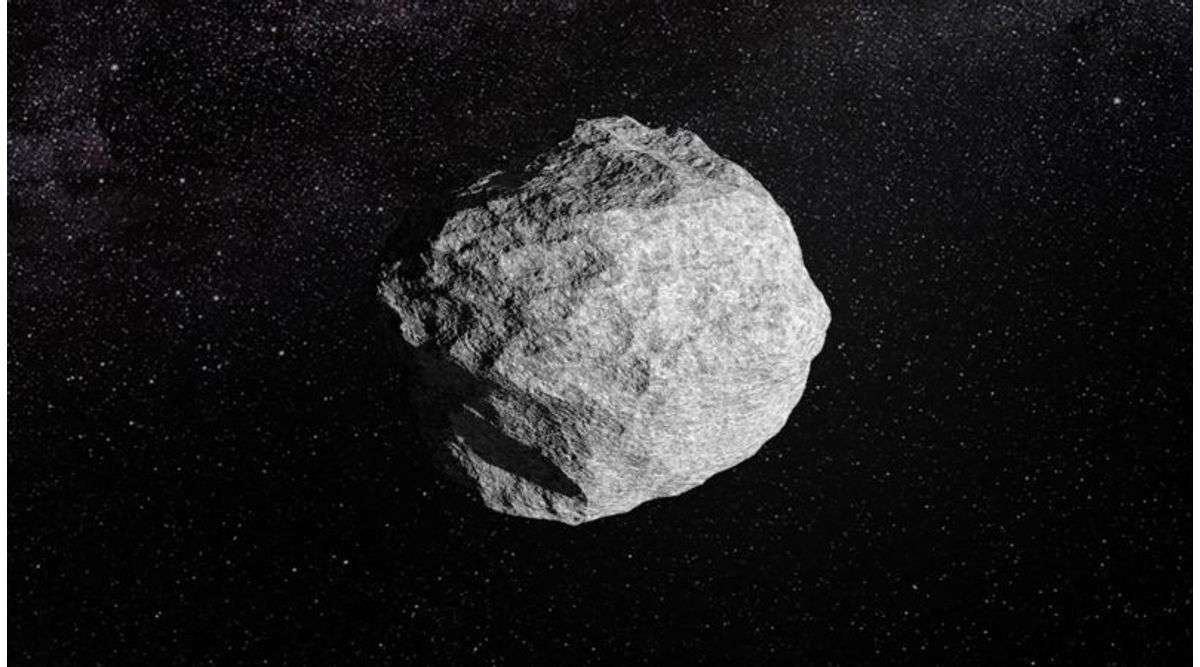
Asteroids, the remnants of our solar system's formation, continue to intrigue scientists and the public alike. Recently, asteroid 2024 YR4 has come into the spotlight due to its potential threat to Earth, with a current impact probability of around 2%. While these odds may seem alarming, they are still relatively low. However, as I delve into this subject, it's essential to understand what this means for us and how astronomers are working to monitor and study this celestial object.
Tracking the Trajectory of 2024 YR4
Discovered by the Asteroid Terrestrial-impact Last Alert System (ATLAS) on December 27, 2024, 2024 YR4 is estimated to measure between 130 and 300 feet (40 to 90 meters) in diameter. To put this into perspective, it’s comparable to a large building. While the odds of an impact remain low, astronomers are taking no chances. They’re utilizing powerful telescopes, including the renowned James Webb Space Telescope, to gather more data about this asteroid, its size, and its trajectory.
The James Webb Space Telescope, slated for observations in March, will provide crucial thermal data that can help scientists better understand the asteroid’s physical characteristics. This is vital because the amount of sunlight an asteroid reflects is used to estimate its size. Using infrared technology, Webb will measure the heat emitted by 2024 YR4, offering a much clearer picture than previous observations.
Understanding the Risks
The potential consequences of an asteroid impact can be severe, especially if it’s on the larger end of the size scale. Historical events, such as the Tunguska event in 1908, which flattened thousands of miles of forest in Siberia, serve as stark reminders of how damaging even smaller asteroids can be. If 2024 YR4 were to collide with Earth, the damage could extend significantly if it were a larger asteroid, producing blast damage as far as 31 miles from the impact site.
It's crucial to note that asteroids of this size strike Earth every few thousand years. However, the 2024 YR4's potential trajectory suggests it could return to our vicinity every four years, with the next close approach anticipated in December 2028. If no definitive data is available before then, astronomers will have to wait until that time to reassess its risk of impact.
The Role of Global Observatories
Astronomers around the globe are working together to monitor 2024 YR4. Observatories in Hawaii, Chile, and New Mexico are actively tracking its movements. The Panoramic Survey Telescope and Rapid Response System (Pan-STARRS) in Hawaii is a leading telescope in this effort, thanks to its ability to detect asteroids from a great distance.
Doug Simons, the director of the University of Hawaii’s Institute for Astronomy, emphasizes the importance of these observatories. “Thanks to our prime location and advanced technology,” he states, “we can spot, track, and study asteroids with incredible accuracy.” This collective effort is vital for planetary defense, allowing scientists to evaluate potential threats and develop response strategies.
What’s Next for 2024 YR4?
As the James Webb Space Telescope prepares to take its measurements, we can expect updates that will refine our understanding of the asteroid’s size and potential threat level. The observations planned for March and May will be essential in determining whether 2024 YR4 poses any real risk to Earth or if the probability of impact will likely drop to zero.
In conclusion, while the existence of asteroid 2024 YR4 raises eyebrows, it also highlights the incredible advancements in our ability to track and study near-Earth objects. With continued vigilance and innovative technology, we can ensure that we remain informed and prepared for any cosmic surprises that may come our way.