

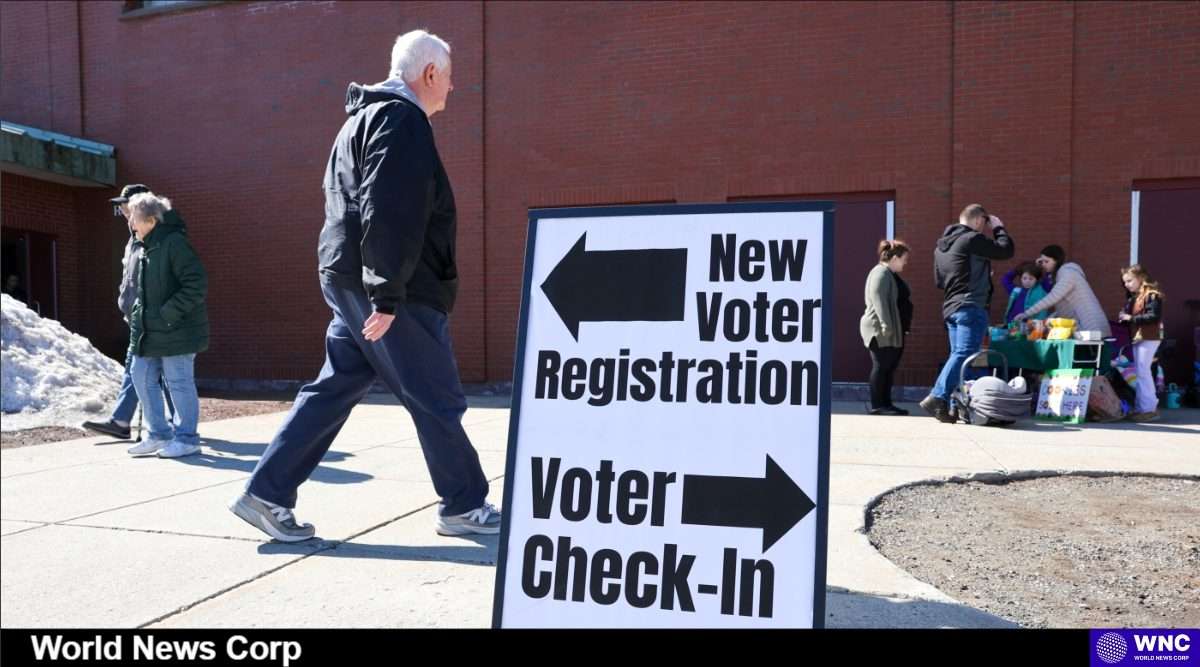
The recent ruling by a federal judge in Washington, D.C., has reignited the contentious debate surrounding voter registration requirements in the United States. This ruling blocks key provisions of President Trump’s executive order, which aimed to mandate proof of citizenship for voter registration. The implications of this decision are far-reaching, impacting millions of potential voters across the nation. In this blog, we will explore the details of the ruling, the arguments from both sides, and what this means for the future of voting in America.
What’s Behind the Ruling and How It Affects Voters?
On Thursday, District Judge Colleen Kollar-Kotelly issued a 120-page opinion that halted two significant provisions of Trump’s executive order. The first provision required the Election Assistance Commission to amend national voter registration forms to include a documentary proof of citizenship requirement. The second provision mandated that federal agencies verify citizenship status before providing voter registration forms to individuals applying for public assistance. Judge Kollar-Kotelly’s ruling emphasized that the Constitution grants Congress and the States—not the President—the power to regulate federal elections. This sentiment is critical, as it underlines the separation of powers and the limits of executive authority.
Arguments For and Against Proof of Citizenship
Proponents of proof of citizenship laws argue that these measures are essential for ensuring the integrity of elections. They contend that requiring voters to provide documentation will help prevent fraud and maintain public confidence in the electoral process. Representative Mike Lawler, a Republican from New York, has openly supported the legislation, labeling it as ‘common sense’ and a necessary step toward safeguarding democracy. He believes that allowing everyone to vote without proof may lead to abuses of the electoral system.
On the other hand, critics argue that such requirements are discriminatory and could disenfranchise millions of eligible voters. Many individuals, particularly those from marginalized communities, may not have easy access to the necessary documents, such as birth certificates or passports. A significant survey from 2024 revealed that nearly 10% of eligible voters lack the required documentation, raising concerns about the potential for widespread disenfranchisement. Organizations advocating for voting rights, including the ACLU and the Brennan Center for Justice, have been vocal about these concerns, stressing that the ruling protects eligible voters from unnecessary barriers.
The Broader Impact
The blocked provisions are part of a larger legislative battle. The House of Representatives, led by Republicans, has already passed a bill requiring proof of citizenship to vote, but it faces an uphill battle in the Senate. The broader implications of this ruling could be felt in the ongoing discussions about voting rights and access to the electoral process. With 25 states considering some form of proof-of-citizenship legislation, the outcome of this debate will shape the future of voting in America.
Moreover, this ruling could set a precedent for future cases challenging similar laws in various states. As the legal battles unfold, election officials across the country are in a state of uncertainty, waiting for guidance on implementing any potential changes to voter registration processes. This situation has left many in a holding pattern, emphasizing the urgent need for clarity in the legal landscape surrounding voter registration.
Conclusion: A Call for Vigilance
As we navigate these developments, it is crucial for citizens to remain vigilant about their voting rights. The recent court ruling serves as a reminder of the ongoing struggle to balance election integrity with access to the ballot box. Whether you support proof of citizenship requirements or believe they are unnecessary barriers, it is vital to stay informed and engaged in the conversation surrounding voting rights in America. The future of our democracy depends on it.