

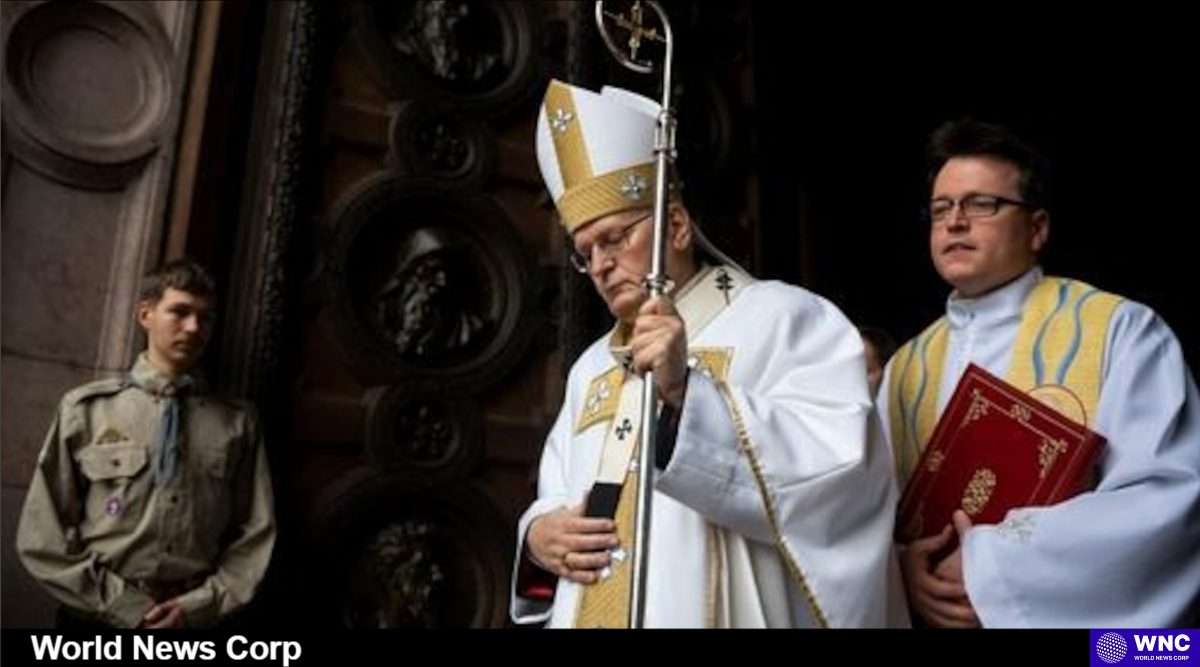
The passing of Pope Francis has opened a new chapter for the Catholic Church, leaving many to ponder who will take the helm next. Amidst a sea of candidates, one name that often surfaces in discussions is Cardinal Raymond Burke. Known for his strong traditionalist views, Burke has been a polarizing figure in modern Catholic discourse. But what does his potential candidacy mean for the future of the Church?
What Drives Cardinal Burke’s Influence?
Cardinal Burke, born in Wisconsin, has been a prominent voice in the Church since being appointed by Pope Benedict XVI in 2010. His tenure has been marked by steadfast adherence to traditional Catholic teachings, particularly concerning issues like marriage, family, and the sanctity of life. Critics often describe him as an outspoken traditionalist who has publicly clashed with more progressive elements within the Church. For instance, he has voiced strong opposition to Pope Francis’s more lenient stances on divorced and remarried Catholics receiving the Eucharist.
The Power of Tradition
In a rapidly changing world, Cardinal Burke’s unwavering commitment to traditional values resonates with a segment of the Catholic population that feels increasingly alienated by modern interpretations of faith. This was especially evident during the discussions surrounding the Synod on Synodality, where Burke was a vocal critic of what he perceives as a departure from core Catholic teachings. His supporters argue that his leadership could help restore a sense of stability and continuity, particularly among conservative Catholics who may feel lost in the current ideological climate.
The Challenges Ahead
However, Burke’s candidacy is not without its challenges. The Catholic Church is at a crossroads, grappling with issues like sexual abuse scandals, declining attendance in the West, and the need for a more inclusive approach to the faithful. While Burke’s traditionalism appeals to some, others fear that his papacy could exacerbate divisions within the Church. His stance on LGBTQ+ issues, for example, has drawn ire from progressives who argue that a more compassionate, inclusive approach is necessary for the Church to thrive in contemporary society.
A Voice for the Marginalized?
Interestingly, while many view Burke as a champion of traditional values, his potential papacy could also be seen as a voice for those who feel marginalized by current Church policies. Some Catholics, particularly in regions where conservative views dominate, might welcome a leader who prioritizes doctrinal purity over pastoral flexibility. Burke’s strong opposition to secularization and modernism could resonate well in these areas, potentially boosting his support base.
Conclusion: A Future Uncertain
Whether or not Cardinal Burke is elected as the next pope remains to be seen. His traditionalist views may either polarize or unify the Church, depending on the direction the College of Cardinals decides to take. In a world that is increasingly complex, the Church’s leadership will have to navigate the tightrope between tradition and modernity. With so much at stake, the choice of the next pontiff will undoubtedly have lasting implications for Catholicism worldwide. As the conclave approaches, one thing is clear: Cardinal Burke’s influence on the conversation about the future of the papacy is undeniable, and his candidacy could significantly shape the Church’s path forward.