

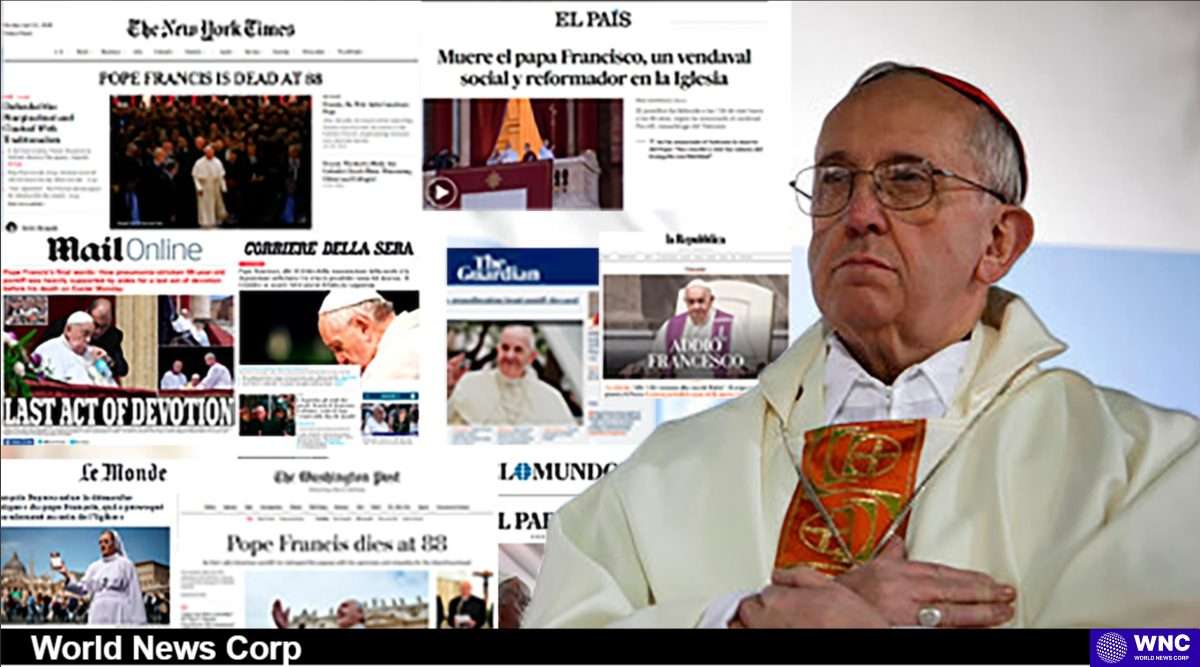
The recent announcement of the death of Pope Francis at 88 has sent shockwaves through the Catholic Church and beyond. As a devoted leader who championed the poor and marginalized, his legacy is vast and complex, reflecting his role as a reformist within the Church. But what does his passing mean for the global community?
What Made His Compassion So Powerful?
Pope Francis, born Jorge Mario Bergoglio in Argentina, took the papacy in March 2013 after Pope Benedict XVI’s historic resignation. He made history as the first pope from Latin America and the first Jesuit pope. Throughout his tenure, he emphasized humility, compassion, and the need for the Church to be more inclusive. His motto of ‘a Church for the poor’ resonated globally, inspiring many to rethink the Church’s role in social justice issues.
His final public appearance was poignant. On Easter Sunday, he addressed a crowd of over 50,000 people from the balcony of St. Peter’s Basilica, offering a message of hope amidst global turmoil. Just hours later, the Vatican confirmed his death due to complications from a stroke and cardiovascular collapse. The swiftness of this transition left many in disbelief, as they had just witnessed his commitment to his duties, despite his frail health.
Mourning Across Borders
In the wake of his passing, people around the world gathered to pay their respects. In St. Peter’s Square, a somber atmosphere prevailed as thousands lit candles and shared stories of how Pope Francis touched their lives. Various world leaders expressed their condolences, highlighting his influence as a voice for the voiceless. From President Javier Milei of Argentina to President Emmanuel Macron of France, tributes poured in acknowledging his dedication to peace, justice, and interfaith dialogue.
The reaction was not limited to political figures; everyday people took to social media to share their sorrow. Many emphasized how they would miss his call for inclusivity and compassion. As a journalist, I spoke to individuals from diverse backgrounds who expressed a collective sense of loss, stating that they felt a connection to a leader who genuinely cared for humanity.
The Future of the Catholic Church
Pope Francis’s death marks a significant turning point for the Catholic Church, prompting the need for a new leader. The process of selecting his successor, known as the conclave, will commence shortly, stirring discussions about the direction the Church will take. Will the next pope continue Francis’s progressive legacy, or will they adhere to more traditional views?
Key issues such as climate change, poverty, and the role of women in the Church are expected to be at the forefront of discussions in the coming weeks. As the Church navigates this transition, many will be watching closely to see how the new pope addresses these vital matters.
A Call to Action
While we mourn the loss of Pope Francis, his life serves as a call to action for all of us. His unwavering commitment to social justice and his message of universal love remind us that we must continue to advocate for those in need. Each of us has a role to play in promoting peace and inclusivity, just as he did throughout his papacy.
As we reflect on his legacy, let us not only remember the man but also the messages he imparted. Let us strive to embody the values he championed, ensuring that his vision of a compassionate and inclusive world lives on. In a time marked by division and uncertainty, the teachings of Pope Francis can guide us toward a brighter future.