

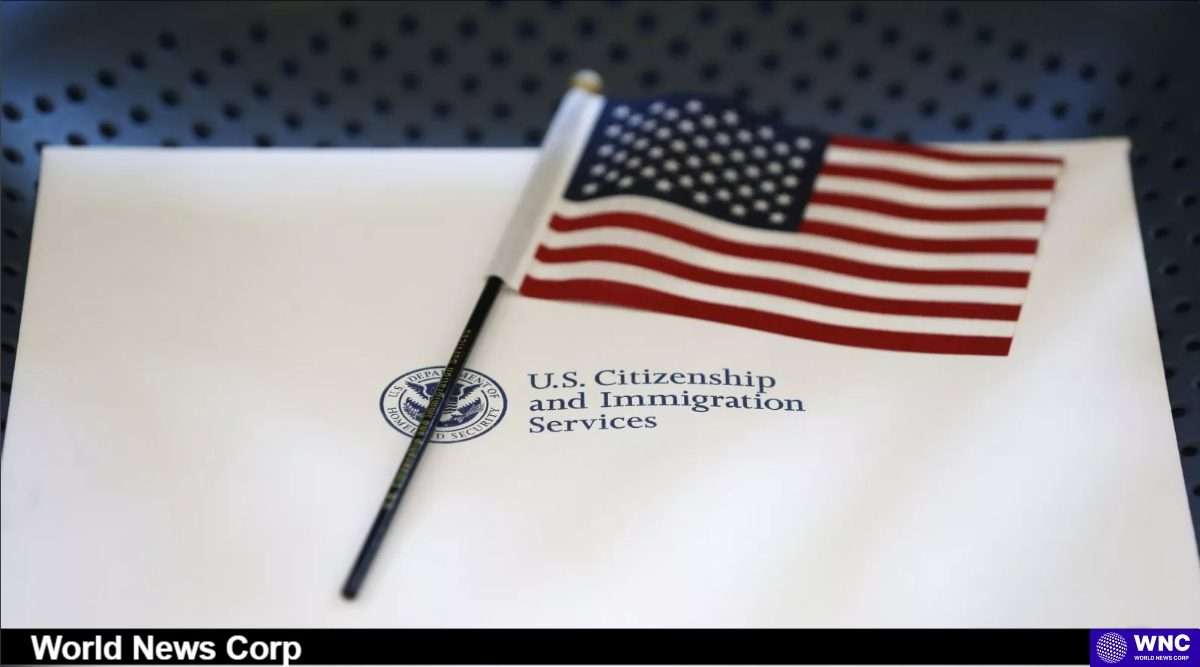
The U.S. Citizenship and Immigration Services (USCIS) has recently introduced Requests for Evidence (RFEs) that are causing significant concern among employers and immigration attorneys alike. These RFEs are particularly unusual because they are now requesting home addresses and biometric data for H-1B and employment-based immigrant petitions, which has not been a standard practice before. As someone who has followed immigration policy closely, I find this development particularly alarming. In this article, we will explore the implications of these requests, the potential motivations behind them, and how employers can navigate this new landscape.
What are the new Requests for Evidence (RFEs) being issued by USCIS in 2025?
USCIS has begun issuing RFEs that reference ‘potentially adverse information’ about beneficiaries of H-1B and I-140 petitions. This is a significant departure from standard protocols. Typically, RFEs provide specific questions or areas of concern regarding a petition. However, these new requests do not follow that model; instead, they merely state that there is adverse information and require updated addresses for biometric collection. Vic Goel, a prominent immigration attorney, noted that this lack of clarity adds to the confusion, as it’s unclear what adverse information USCIS is referencing.
The Concerns Among Attorneys and Employers
The unusual nature of these RFEs has left many attorneys and employers in a state of uncertainty. They worry that this could be a precursor to more stringent immigration policies targeting foreign workers in the U.S. The fear is that the Trump administration’s approach to immigration may be creeping back into policies, potentially leading to an environment where lawful individuals face undue scrutiny. Kevin Miner of Fragomen stated that the requests are troubling because they do not allow petitioners to adequately respond to the allegations. Without transparency, employers cannot effectively defend against any potentially erroneous claims.
How Should Employers Respond?
Given the uncertainty surrounding these RFEs, experts advise that employers should not comply with requests for beneficiary addresses or biometrics immediately. Instead, they should respond by citing relevant regulations that require USCIS to disclose any derogatory information being used as a basis for adverse decisions. This approach ensures that employers advocate for their employees while also putting pressure on USCIS to clarify its position.
The Broader Impact on Immigration Policy
The issuance of these RFEs comes at a time when U.S. immigration policies are already under scrutiny. With over 240 colleges and universities reporting changes in legal status for international students, the landscape for foreign workers is increasingly alarming. The H-1B visa program, already known for its stringent requirements, could become even more challenging to navigate. The current climate raises concerns about the U.S. ability to attract and retain global talent, especially in critical fields like technology and engineering.
Conclusion: Moving Forward with Caution
As we look ahead, it’s essential for employers and immigration attorneys to stay informed about USCIS’s practices and any changes that may arise. The RFEs reflect a shift in USCIS’s approach, and while the full implications are still unknown, vigilance is necessary. The stakes are high, and with the potential for new restrictions on employment-based visas, it’s crucial that stakeholders engage proactively to protect their interests and advocate for fair treatment under the law. As we navigate this uncertain terrain, staying informed and prepared will be key to ensuring a healthy and diverse workforce in the United States.