
In the vibrant world of music festivals, artists often seize the opportunity to voice their opinions on pressing global issues. This year, the Irish hip-hop group Kneecap made headlines during their Coachella 2025 performance for their politically charged messaging. While many artists use their platform to promote unity and love, Kneecap chose to confront the ongoing Israeli-Palestinian conflict, igniting both support and backlash.
What were the most talked-about moments from Coachella 2024?
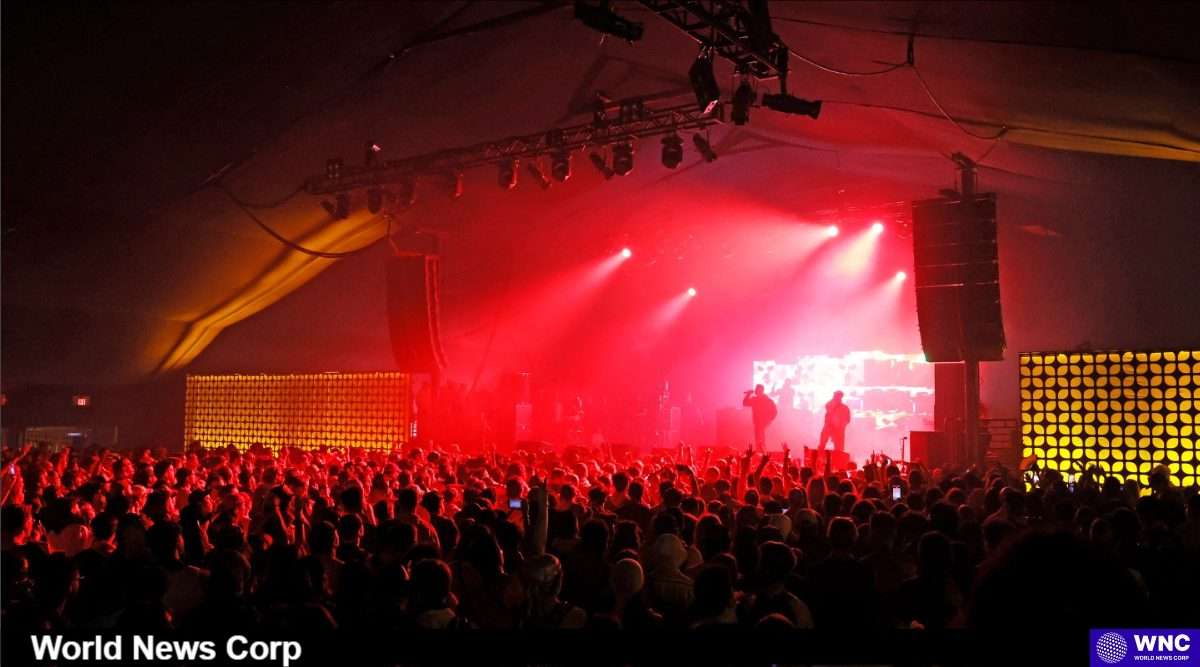
Kneecap, known for their outspoken views, performed in the Sonora tent, where they projected powerful messages against Israeli policies. Their set included declarations such as, “Israel is committing genocide against the Palestinian people,” and calls to “free Palestine.” This bold approach not only stirred the crowd but also sparked outrage among Jewish groups and festival-goers who felt the messages were harmful and divisive.
The band’s performance came after claims that their initial weekend set had been censored. They alleged that their pro-Palestinian sentiments had been omitted from the festival’s livestream, raising questions about the festival’s editorial choices. Kneecap’s insistence on sharing their messaging, despite claims of censorship, demonstrates their commitment to their cause. Their defiance resonated with many, as they urged young Americans to amplify their voices to political leaders.
The Response from the Community
The backlash to Kneecap’s set was swift. Jewish organizations criticized the band and the festival’s promoter, Goldenvoice, for allowing such incendiary remarks. Paul Tollett, CEO of Goldenvoice, reportedly felt blindsided by the band’s actions. This situation highlights the fine line music festivals tread between artistic expression and political advocacy. While some attendees applauded the band’s courage, others felt it turned the festival into a platform for hate rather than celebration.
The Nova Community, particularly affected by the recent tragedies in Israel, expressed their hurt over the band’s messaging. They emphasized the need for empathy and understanding, inviting Kneecap to engage with those impacted by violence instead of fostering division.
The Bigger Picture: Art and Activism
Kneecap is not alone in using their platform for political statements. Throughout Coachella, other artists also voiced support for Palestine, showcasing the festival’s role as a stage for activism. Green Day altered lyrics during their set to reflect the plight of Palestinian children, while other acts displayed Palestinian flags. The festival environment can amplify messages, but it also raises the question: should art and activism coexist in such spaces?
This incident invites a broader conversation about the responsibilities of artists in the current socio-political climate. Can music be a catalyst for change, or does it risk alienating segments of the audience? As I reflect on this, it becomes clear that while art can inspire and unite, it can also provoke and divide.
Moving Forward: A Call for Dialogue
Ultimately, the controversy surrounding Kneecap’s performance at Coachella underscores the need for dialogue in our increasingly polarized world. Festivals like Coachella are meant to celebrate music and culture, yet they also serve as a microcosm of the larger societal issues we face. As we navigate these challenges, perhaps it’s essential to seek understanding instead of outrage.
Kneecap’s actions have sparked a debate that goes beyond music—it touches the heart of how we engage with complex issues in public spaces. As we move forward, let’s prioritize dialogue, empathy, and understanding, creating a music festival culture that can embrace diverse opinions while promoting peace and unity.