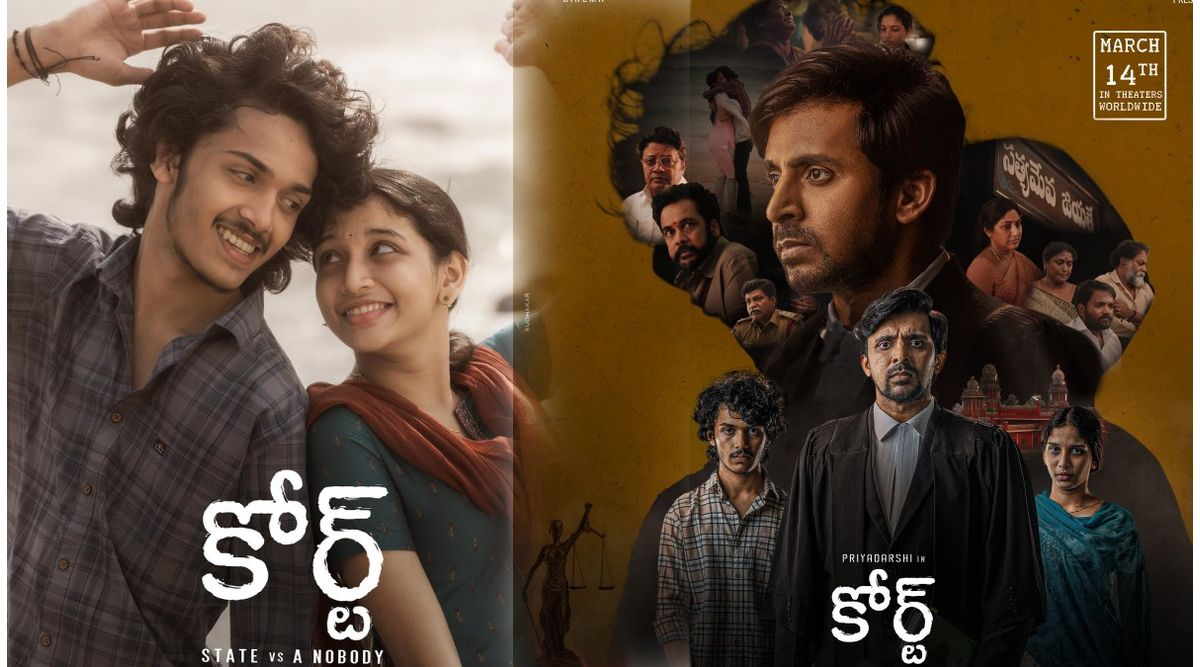
In recent years, Indian cinema has begun to tackle complex social issues, and Ram Jagadeesh’s directorial debut ‘Court’ is a commendable addition to this discourse. Centered around the legal intricacies of the POCSO Act, the film dives deep into a narrative that feels both relatable and unsettling. In a world where the courtroom drama often takes a backseat to high-octane thrillers, ‘Court’ shines as a beacon of storytelling that reflects the societal fabric of our lives.
How does the core of the story serve as a powerful social commentary?
At its heart, ‘Court’ is not just a film about a courtroom; it is a mirror reflecting the lives of ordinary people caught in extraordinary circumstances. The plot revolves around a young man, Chandu, who becomes embroiled in a false POCSO case, instigated by a powerful local figure intent on protecting his family’s reputation. As the story unfolds, it becomes a gripping tale of justice, manipulation, and the quest for truth. The film’s protagonist, played by Priyadarshi, embodies the struggle of many who find themselves victimized by societal and legal systems.
Real-Life Inspirations and Social Relevance
Ram Jagadeesh has emphasized that the inspiration for ‘Court’ stems from real-life POCSO cases, highlighting the alarming frequency of such incidents in Telugu states. During a recent press conference, he stated, “We often hear about POCSO in the news, but how many of us truly understand its implications?” This film seeks to bridge that gap, educating audiences on the serious nature of child protection laws while simultaneously engaging them in a compelling narrative. The director’s approach does not sensationalize the subject but rather presents it with a sense of gravity and respect.
Stellar Performances That Captivate
The performances in ‘Court’ are nothing short of remarkable. Shivaji, in the role of the antagonist, Mungapathi, delivers a performance that is both chilling and relatable. His character is one that many viewers may recognize from their own lives — the powerful individual who bends the system to their will. Priyadarshi’s portrayal of the defense lawyer, Surya Teja, adds a layer of emotional depth as he navigates the murky waters of justice and morality. The chemistry between the characters, especially during courtroom scenes, is palpable and keeps audiences on the edge of their seats.
A Technical Marvel
From a technical standpoint, ‘Court’ excels in cinematography and editing. Dinesh Purushothaman’s camera work captures the stark realities of the courtroom and the emotional nuances of the characters. Moreover, the film’s editing by Karthik Srinivas maintains a brisk pace, ensuring that viewers remain engaged throughout its runtime. The music by Vijay Bulgani adds to the film’s emotional weight, perfectly complementing the narrative.
Conclusion: A Must-Watch for Every Citizen
In conclusion, ‘Court’ is more than just a film; it is a conversation starter about justice, law, and societal responsibility. It challenges us to reflect on our understanding of laws like POCSO and encourages discourse on crucial social issues. As audiences prepare to watch this engaging courtroom drama, they should expect to leave the theater not just entertained, but informed and thoughtful about the complexities of justice in contemporary society. The film’s release on the 14th of this month presents a perfect opportunity for cinema lovers to engage with a story that resonates deeply within our own lives.