

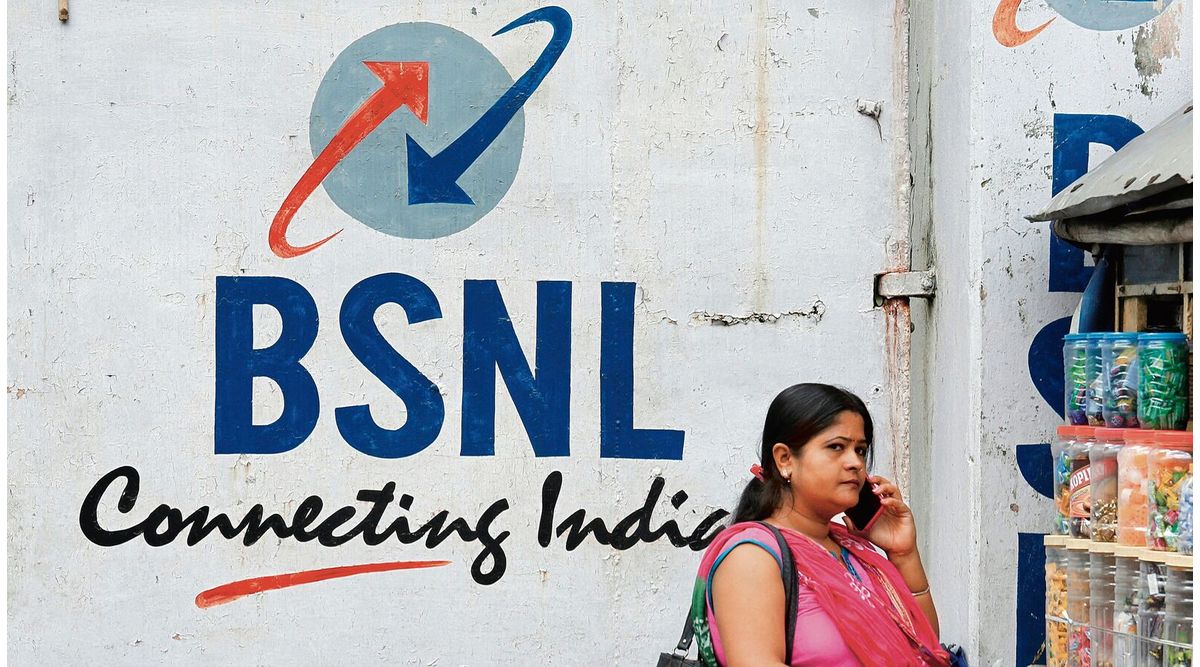
The landscape of India’s telecommunications sector has been undergoing significant transformations, especially for state-owned enterprises like Bharat Sanchar Nigam Ltd (BSNL) and Mahanagar Telephone Nigam Limited (MTNL). With the backdrop of a competitive market, these companies have turned to monetizing their assets as a strategic move to enhance their financial health. In recent years, a notable ₹12,984.86 crore has been generated from the sale and monetization of land, buildings, towers, and fiber assets since 2019. As a reporter, I find it fascinating to witness how these companies are navigating the complexities of the telecommunications industry while also focusing on sustainability.
How does a monetization strategy serve as a financial lifeline for businesses and creators?
According to Minister of State for Communications Pemmasani Chandra Sekhar, the bulk of this revenue— ₹2,387.82 crore for BSNL and ₹2,134.61 crore for MTNL—arose from the monetization of lands and buildings deemed unnecessary for future operations. This strategy is not merely about shedding assets but is grounded in a well-thought-out policy aimed at improving operational efficiency. Essentially, BSNL and MTNL are focusing on assets that can be relinquished without hampering their core functions. This approach has allowed them to streamline operations while simultaneously boosting their financial standings.
A Remarkable Turnaround: Profitability After Nearly Two Decades
In a remarkable turnaround, BSNL reported a net profit of ₹262 crore in its fiscal Q3FY25 results. This marks the company’s return to profitability after almost 17 years, a feat that many considered improbable given the long-standing financial struggles of state-owned telecom entities. The government has also rolled out plans for a capital expenditure boost, approving an additional ₹6,982 crore for BSNL and ₹6,000 crore for MTNL, specifically aimed at expanding their 4G network. This injection of funds, combined with their asset monetization strategy, signals a pivotal moment for these firms.
The Government’s Role and Future Prospects
Despite the ongoing financial restructuring, there are concerns about the future of BSNL and MTNL. The government has clarified that it is not pursuing privatization of these companies, a move that has garnered mixed reactions. While some stakeholders view this as a commitment to public service, others argue that privatization could potentially lead to greater efficiency and service quality. The returns from monetization and government support indicate that the focus is currently on rejuvenation rather than divestment.
Competitive Edge: Maintaining Market Relevance
As BSNL and MTNL enhance their financial footing, they must also contend with the competitive pressures from private telecom operators like Reliance Jio and Airtel. The telecom landscape has evolved rapidly, with technological advancements and changing consumer demands shaping services. BSNL’s recent initiatives, such as launching free intranet TV services and enhancing national Wi-Fi roaming, reflect an understanding of the need to innovate to stay relevant. It is crucial for these firms to strike a balance between asset monetization and investment in new technologies.
Conclusion: A Forward-Looking Vision
In conclusion, the monetization of assets by BSNL and MTNL represents a strategic pivot towards sustainability and profitability. The historical context of both companies shows a strong resilience despite numerous challenges. With ongoing government support and a commitment to innovation, there is cautious optimism about their future. For consumers, the ultimate takeaway is that these developments could result in improved services and enhanced competitiveness in the telecom sector, benefitting everyone involved.