

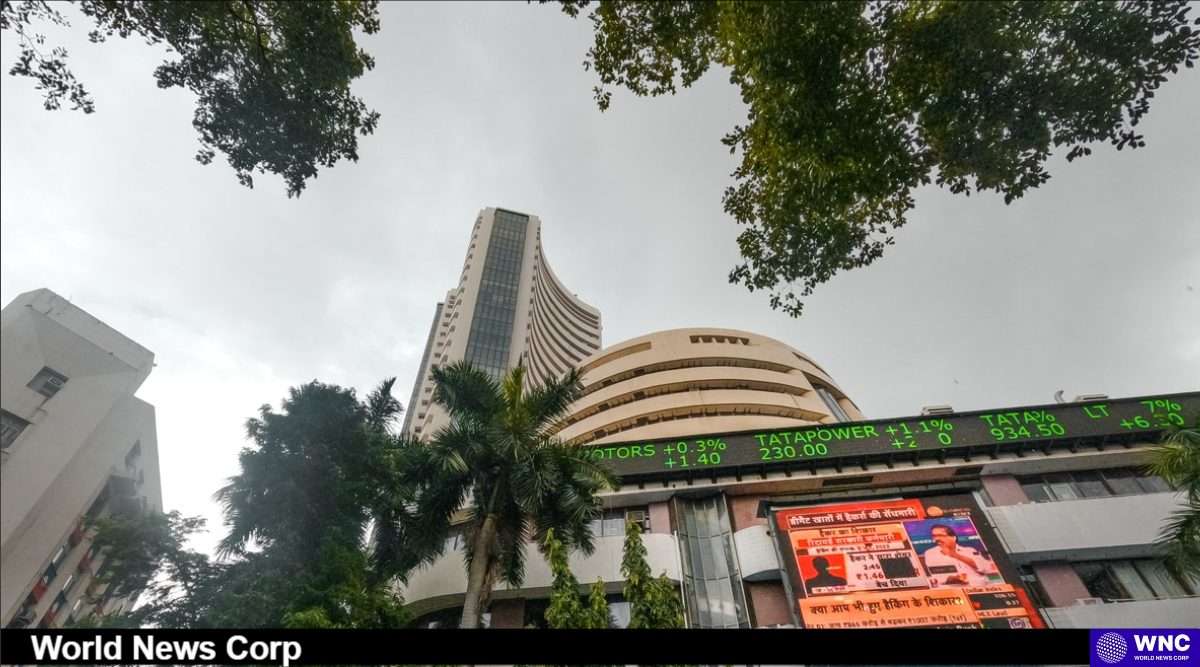
As we navigate through an era of unprecedented market volatility, many investors are left wondering how to make sense of the chaos. The recent stock market crash, triggered by global events such as trade wars and political instability, has left investors scrambling. In particular, the VIX index, often referred to as the ‘fear gauge’, serves as a crucial indicator of market sentiment. But how does it specifically affect markets like the BSE Sensex and the Nifty, particularly in the context of today’s market conditions?
What is the VIX Index, and what does it indicate about market sentiment?
The VIX index, or Volatility Index, measures the market’s expectation of future volatility based on S&P 500 index options. A higher VIX reading indicates a more volatile market, often correlating with increased investor fear. This can lead to panic selling, as seen during the recent stock market crash when the Sensex fell drastically. Understanding the VIX can provide valuable insights for both seasoned investors and beginners alike.
The Sensex Today: Navigating the Storm
The BSE Sensex, a benchmark index of 30 well-established and financially sound companies listed on the Bombay Stock Exchange, recently plummeted to its 10-month low, wiping out investor wealth by over Rs 20 lakh crore. As traders react to global cues, the Sensex opened nearly 4,000 points lower, showcasing how international events can create a ripple effect in domestic markets. Investors are left to wonder if they should hold onto their stocks or consider selling at a loss.
How Global Events Influence the VIX
The VIX index is particularly sensitive to global events. When news breaks that could affect the economy—such as tariffs or political instability—the VIX typically rises as traders hedge against potential losses. For instance, the recent tariffs announced by the U.S. government not only affected American markets but also sent shockwaves through Asian equities, including the Indian stock market. As a result, the VIX climbed, indicating increased uncertainty and fear among investors.
What Should Investors Do Now?
During turbulent times, it’s essential for investors to remain composed. The market has its cycles, and while the current situation may seem dire, it’s crucial to focus on long-term strategies rather than panic selling. Experts advise maintaining a diversified portfolio and considering buying quality stocks at discounted prices as markets fluctuate. Additionally, monitoring the VIX can help investors gauge market sentiment and make informed decisions.
Conclusion: A Call for Caution and Strategy
In conclusion, the recent stock market crash serves as a stark reminder of how interconnected global markets are. The VIX index plays a critical role in understanding market volatility, especially in times of uncertainty. For investors in the BSE Sensex and Nifty, staying informed and adopting a long-term perspective can be key to weathering the storm. As we move forward, let’s keep our focus on quality investments and remain vigilant about global developments. This too shall pass, and with the right strategies, we can emerge stronger.