

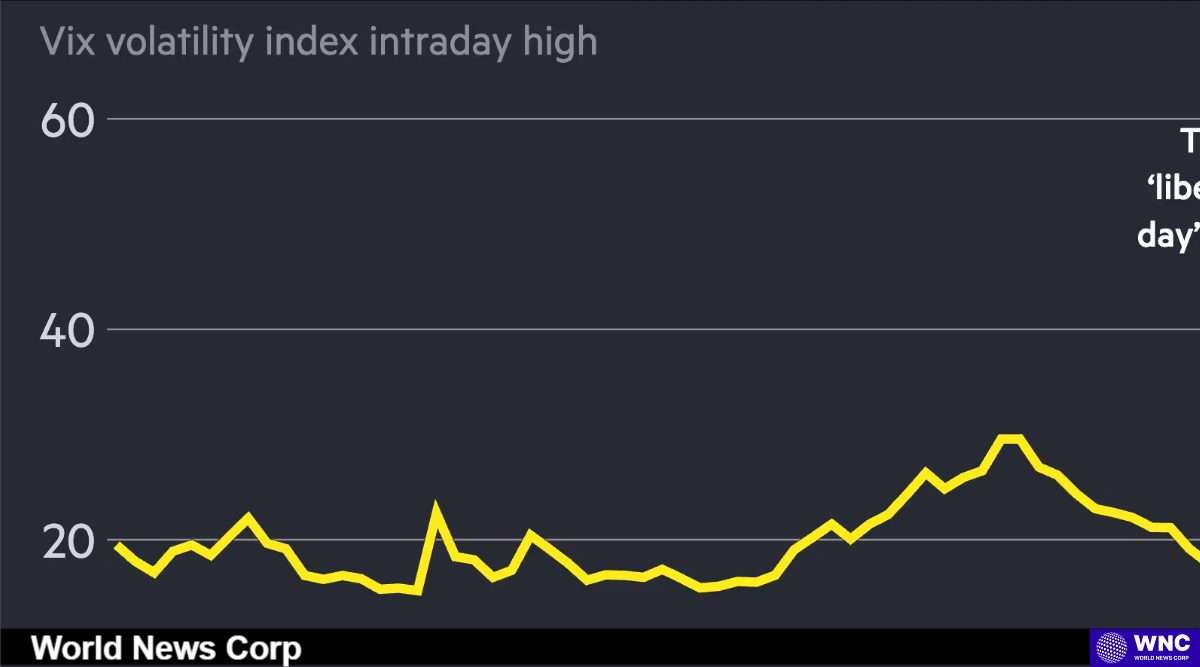
In recent weeks, global markets have been rocked by significant developments, particularly the escalation of trade tensions stemming from U.S. tariffs. As a reporter, I can’t help but reflect on how these changes impact not just investors but also the broader economy. The Chicago Board Options Exchange’s CBOE Volatility Index, popularly known as the VIX, has surged to alarming levels, signaling rising investor anxiety. This spike is a clear indication of the uncertainty that grips Wall Street and beyond.
How does the VIX reflect market expectations, and what are its implications for investors?
The VIX is often referred to as Wall Street’s fear gauge. When it climbs, as it has recently, it suggests that investors expect significant fluctuations in the market. For instance, the VIX recently soared above 40, a level not seen since August of the previous year, when fears of a recession began to surface. This volatility is not just numbers on a chart; it translates to real-world consequences for investors and businesses alike. It’s essential for individuals to understand what this means for their portfolios and investment strategies.
The Investor Sentiment Shift
Recent surveys, such as one conducted by the American Association of Individual Investors, reveal a stark mood shift. Approximately 61.9% of surveyed investors expressed bearish sentiments regarding the stock market’s trajectory over the next six months. This figure is notably higher than the historical average, indicating a pervasive sense of unease. The implications are significant: when investors lose confidence, they tend to pull back on spending and investment, which can slow economic growth.
Real-World Consequences of Trade Wars
The ramifications of tariff announcements are felt across various sectors. For example, as tariffs were imposed, we observed a wave of sell-offs in U.S. equities, leading to a staggering $10 billion in outflows in just a week. This trend of selling is a direct response to fears regarding profitability and market stability. Industries reliant on exports or those vulnerable to supply chain disruptions face additional challenges. The uncertainty can lead to job losses and hinder business expansion plans, creating a ripple effect throughout the economy.
Strategies for Investors During Turbulent Times
So, how can investors navigate this turbulent landscape? One strategy is diversification. By spreading investments across various asset classes, sectors, and geographies, individuals can protect themselves against severe downturns in any single market. Additionally, maintaining a long-term perspective can help investors avoid panic selling, which often leads to locking in losses.
Furthermore, staying informed about market trends and economic indicators is crucial. Subscribing to financial news platforms, such as the Financial Times, can provide valuable insights from experts and analysts. The Markets Morning Briefing, for instance, offers a concise overview of the day’s headlines, helping investors make informed decisions.
Conclusion: Staying Prepared
As we look ahead, the landscape remains uncertain. With ongoing trade tensions and shifting investor sentiment, it’s vital to stay informed and adaptable. Economic trends can change rapidly, but with the right knowledge and strategies, investors can weather the storm. It’s about being prepared and understanding that while market volatility can be daunting, it also presents opportunities for those willing to navigate it wisely.