
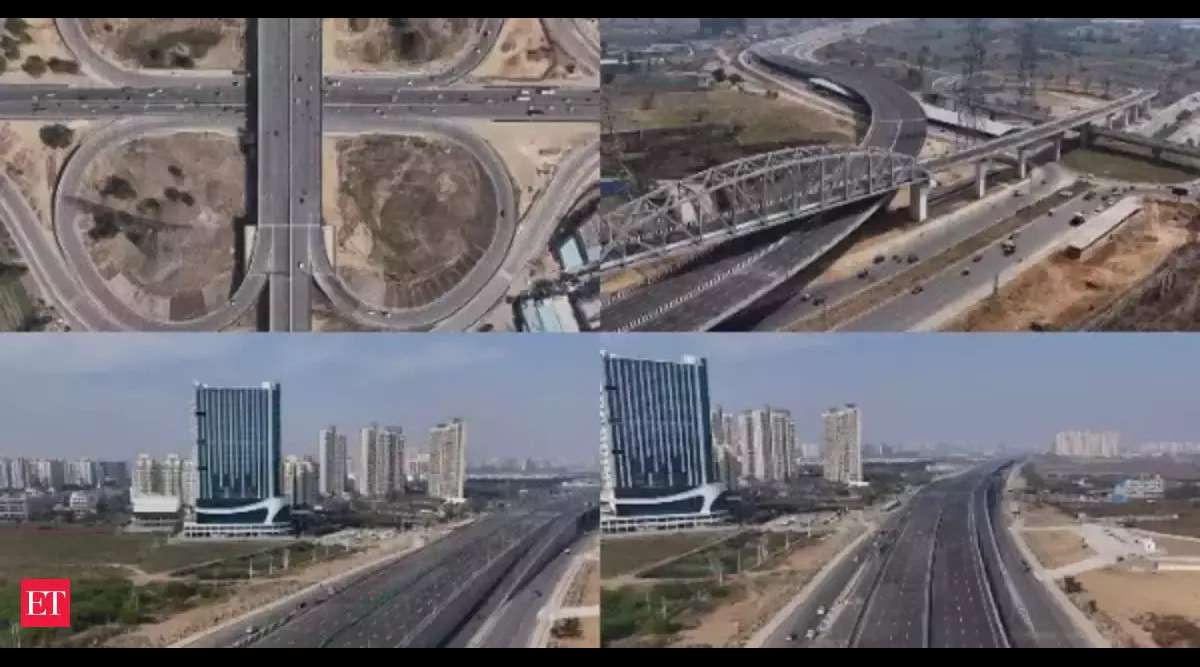
In a time of quick economic transformation, the National Highways Authority of India (NHAI) has made a big move towards the rejuvenation of the nation’s infrastructure by selecting a preliminary list of 24 road assets to be monetized by 2025-26. This move not only holds the potential to improve infrastructure but also generate huge revenue, estimated at Rs 1,863 crore in the financial year 2023-24. But what does this portend for India’s economy and road infrastructure?
What Is The Monetization Strategy ?
Monetization of road assets is a strategic initiative that NHAI intends to implement primarily through the Toll-Operate-Transfer (TOT) model. Through the utilization of existing infrastructure, the government can leverage private investment while ensuring operational efficiency. The future monetization will cover a total length of 1,472 km, spread across different states such as Maharashtra, Jharkhand, and Uttar Pradesh. This large-scale project is likely to provide an opportunity for private players to invest in the management of highways, thus enhancing the creation of jobs and economic growth.
Real-World Examples of Successful Asset Monetization
Other nations, such as the United Kingdom and the United States, have been successful with the same asset monetization efforts. For example, the US has applied Public-Private Partnerships (PPPs) in enhancing highways and bridges, which has led to better delivery of services and less government spending. The UK’s strategy of Highways England has also taken to the trend, recording great improvements in road quality and safety. India’s move mirrors these successful endeavors, promising a bright future.
Benefits Beyond Revenue
Though the main target of this monetization is the generation of revenues, the benefits go far and beyond. The better road condition can result in shorter travel times and fuel use, which are advantageous to the consumer and to the environment as well. A strong road network also brings foreign investments, promising a ripple of economic growth. With improved roads, logistics and supply chain processes can be made efficient, finally favoring several sectors of the economy.
Engaging Stakeholders
NHAI invites all the stakeholders to comment on the assets so identified, thus opening up the channel for participation of people at large and making it transparent. This is very important as the local perspective will help to identify the correct list and ensure that the most feasible projects are ranked higher. The feedback process not only ensures greater inclusiveness but also encourages local communities to own the projects, which is imperative for the success of such big-ticket initiatives.
Conclusion: A Path Forward
Looking into the future, the asset monetization program is a huge prospect for India. It is congruent with the vision of the government to establish a strong infrastructure while overcoming the limitations of funds. Through deliberate implementation of the program, India can set the stage for stable economic growth with a win-win situation for the public and private sectors. The road ahead may be challenging, but with collaborative efforts and effective planning, it is one that holds immense potential for all stakeholders involved.