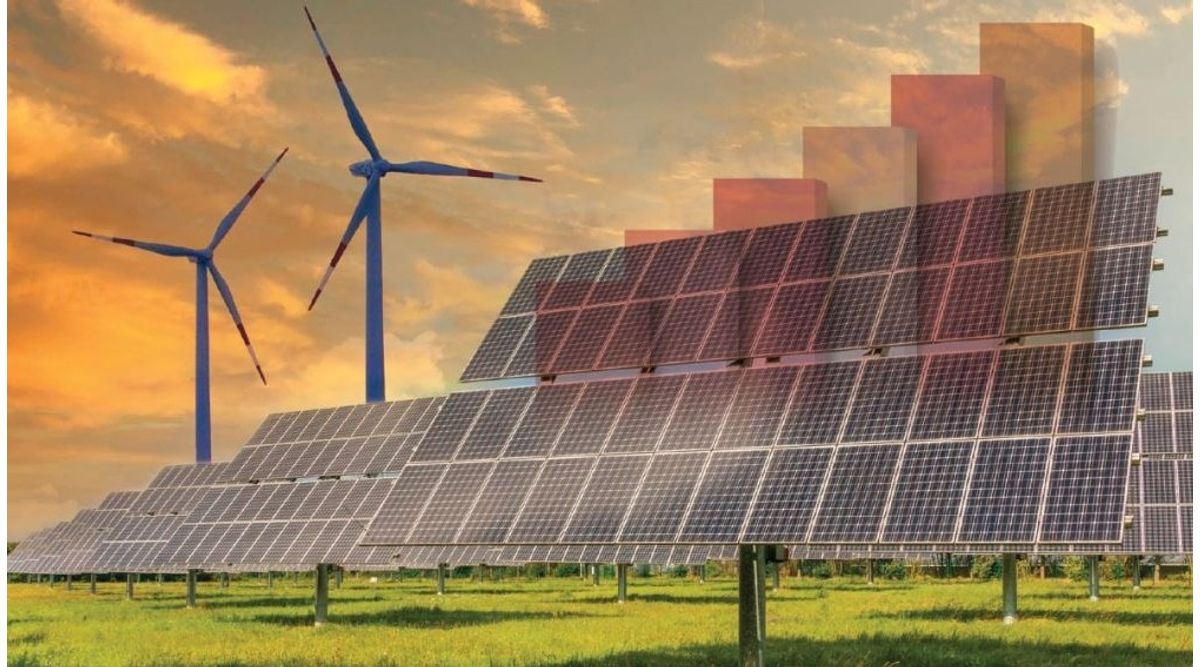
As India gears up to meet its ambitious target of 500GW of renewable energy (RE) by 2030, the landscape is evolving rapidly. With the Modi government actively addressing key challenges, the journey ahead is both promising and complex. In my exploration of this dynamic sector, I encountered various aspects that are shaping the future of energy in India.
How is the government demonstrating its commitment to renewable energy through policies, investments, and initiatives?
The commitment from the Modi government to bolster renewable energy is unwavering. According to a recent report by JM Financial, several steps have been taken to tackle specific challenges, particularly in grid connectivity and Power Purchase Agreements (PPAs). However, the issue of land acquisition remains a significant hurdle, especially in states like Karnataka. The government is optimistic about resolving these issues, which is crucial for the acceleration of renewable capacity addition.
Global Influences on Domestic Policies
Interestingly, as India ramps up its renewable energy production, policymakers are closely observing global trends. In many countries, there is a push to align pricing and market design of renewable energy with traditional power sources. JM Financial notes that this shift is likely to influence Indian policies in the coming years. It’s a fascinating interplay of local and global dynamics that could redefine the energy sector.
Emerging Regulatory Frameworks
The regulatory environment for renewables is also witnessing significant changes. For instance, the Central Electricity Regulatory Commission (CERC) has proposed new rules governing the injection rights of different types of energy generators. This is a crucial step in enhancing the integration of renewable energy sources, ensuring that solar power generation aligns with its optimal production hours while accommodating wind and hybrid sources during off-peak times. Such regulations aim to streamline operations and mitigate grid disturbances, a common challenge faced by the sector.
Addressing the PPA and Grid Connectivity Issues
One of the most pressing concerns highlighted by JM Financial is the backlog of over 40GW of renewable projects awaiting PPAs. Recent amendments to guidelines by the Ministry of Power aim to resolve these delays, mandating that PPAs and Power Supply Agreements (PSAs) be signed within 30 days of issuance. This initiative is expected to bring much-needed clarity and urgency to project execution, potentially unlocking significant investment in the sector.
Investment Opportunities in Renewable Energy
For investors looking to capitalize on the growth of renewable energy, several stocks have been highlighted as promising. JM Financial has retained its ‘Buy’ rating on companies such as Tata Power and Suzlon Energy, among others. As the sector matures, these investments could yield substantial returns, especially as the government continues to push for increased capacity and efficiency in renewable energy generation.
Conclusion: A Bright Future Ahead
While challenges remain in the pursuit of 500GW of renewable energy by 2030, the proactive measures taken by the government and regulatory bodies are paving the way for a brighter future. The sector is not just about numbers; it represents a commitment to sustainable energy that can benefit millions. As someone deeply interested in renewable energy, I find this journey exhilarating. It’s a space where innovation, policy, and investment converge, creating a landscape ripe for growth and sustainability.