

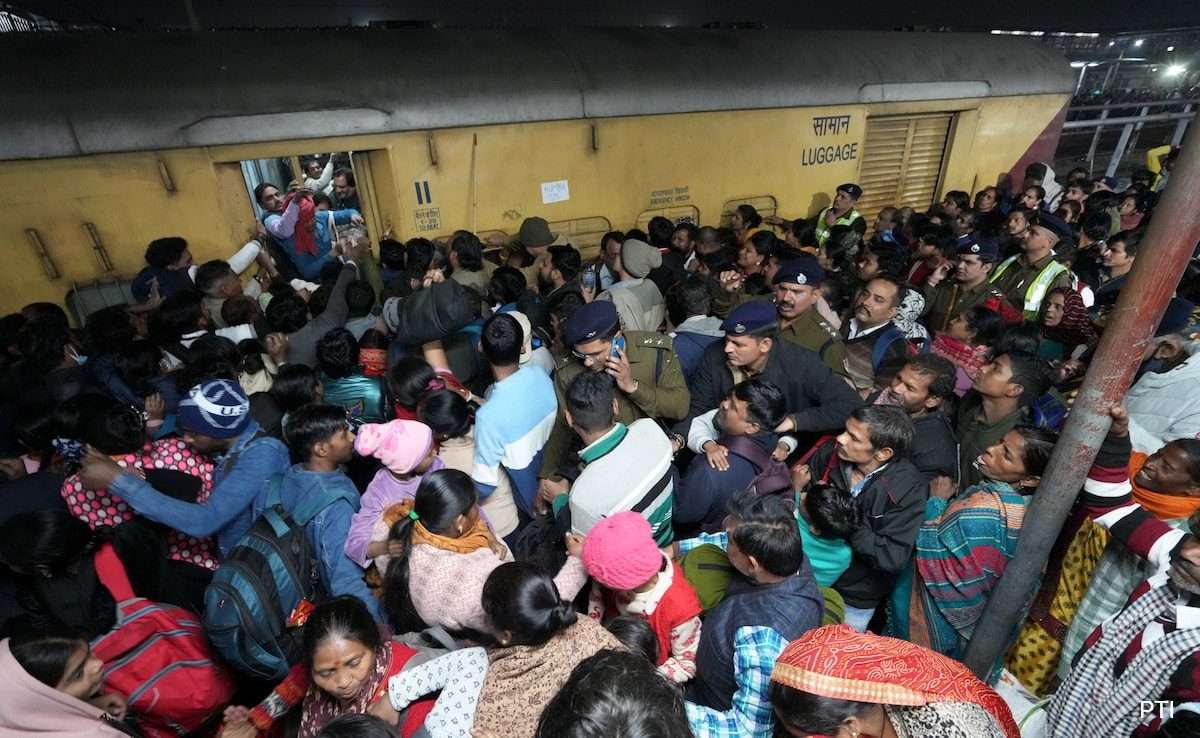
New Delhi Railway Station Stampede : The New Delhi Railway Station has long been a bustling hub of activity, especially during significant events like the Maha Kumbh Mela. However, the tragic stampede that occurred recently has drawn attention to the challenges of crowd management during peak travel periods. In this blog post, we will explore the factors that led to this unfortunate incident, the implications for railway safety, and what can be done to prevent similar occurrences in the future.
The Chaos of Maha Kumbh Mela
The Maha Kumbh Mela, held every 12 years, attracts millions of devotees from across India seeking spiritual enlightenment. This influx creates an unprecedented rush at railway stations, particularly in New Delhi, where trains to Prayagraj often become overcrowded. The recent stampede was exacerbated by the arrival of two delayed trains and a sudden surge of passengers heading to the festival, leading to a tragic situation where over 18 lives were lost.
Factors Contributing to the Stampede
Several key factors contributed to the stampede at New Delhi Railway Station. Firstly, the unexpected delays of the Swatantrata Senani and Bhubaneswar Rajdhani trains caused frustration among passengers. The announcement of a special train, the Prayagraj Express, added to the confusion as it was set to depart from a crowded platform. The sale of approximately 1,500 general tickets for the Maha Kumbh also intensified the crowd pressure.
Additionally, misinformation played a significant role. Rumors regarding the train’s platform change led to passengers rushing toward the stairs, resulting in a catastrophic domino effect. Eyewitness accounts detailed how the sudden shift of the train’s arrival platform caused panic, with many people pushing against each other in a desperate attempt to board.
A Call for Improved Safety Measures
In the wake of this tragedy, there have been urgent calls for improved crowd management and safety protocols at railway stations. Experts suggest the implementation of better communication systems, including real-time updates about train schedules and platform changes, to keep passengers informed and avoid confusion. Enhanced crowd control measures, such as designated entry and exit points, could help manage the flow of passengers more effectively.
Moreover, it is essential for railway authorities to conduct thorough crowd management training for staff, ensuring they are equipped to handle large gatherings, especially during major events like the Maha Kumbh. With proper training and resources, staff can better manage crowds and prevent situations that could lead to stampedes.
Government Response and Accountability
Following the incident, the Ministry of Railways announced an inquiry into the circumstances surrounding the stampede. A high-level committee has been formed to investigate the matter and identify lapses in safety protocols. Both Prime Minister Narendra Modi and President Droupadi Murmu expressed their condolences, highlighting the need for accountability and immediate action.
As part of the response, the Indian Railways has promised compensation for the victims’ families and those injured, acknowledging the tragic loss of life. However, financial compensation alone is not enough; systemic changes are necessary to prevent similar incidents in the future.
Looking Forward: Ensuring Passenger Safety
The New Delhi Railway Station stampede serves as a grim reminder of the need for improved safety measures in crowded spaces. As railway authorities work to investigate the incident and implement new protocols, it is crucial for the public to remain informed about their safety while traveling.
Passengers should also be encouraged to remain calm during peak travel times and heed announcements made by railway staff. By fostering a culture of safety and awareness, both authorities and travelers can work together to ensure that such tragic events do not happen again in the future.