

Introduction
Hindi cinema, popularly known as Bollywood, has undergone significant transformations since its inception. A blend of rich cultural narratives, emotional depth, and vibrant storytelling has made Hindi films a global phenomenon. As we delve into the evolution of Hindi cinema, we explore the journey from traditional storytelling to the modern epic films that captivate audiences today.
The Golden Age of Hindi Cinema
The era of the 1950s and 1960s is often referred to as the Golden Age of Hindi cinema. Films like "Pyaasa" and "Mother India" presented socio-political themes intertwined with human emotions. These movies not only entertained but also provoked thought and reflection. The music during this period, composed by legends like R.D. Burman and Lata Mangeshkar, became an integral part of the storytelling.
The Rise of Masala Films
The 1970s and 1980s introduced the concept of 'masala films,' where multiple genres were blended within a single narrative. This era saw the emergence of iconic stars like Amitabh Bachchan, who became synonymous with the 'angry young man' trope. Films such as "Sholay" and "Deewaar" showcased larger-than-life characters and dramatic plots, setting the stage for mass appeal.
The Transition to Modern Storytelling
With the advent of the 21st century, Hindi cinema began to embrace new storytelling techniques and themes. Directors like Rajkumar Hirani and Zoya Akhtar started crafting narratives that were more relatable to contemporary audiences. Films like "3 Idiots" and "Zindagi Na Milegi Dobara" focused on personal growth, friendship, and societal pressures, resonating with the youth. These films marked a shift towards more nuanced storytelling and character development.
The Impact of Technology
The introduction of advanced filming techniques and digital technology has also played a pivotal role in transforming Hindi cinema. The use of CGI and high-definition cinematography has elevated the visual experience, making films like "Baahubali" and "Padmaavat" not just stories, but visual spectacles. This technological advancement has allowed filmmakers to explore grand narratives and historical epics that were previously difficult to portray.
The Role of OTT Platforms
In recent years, the rise of OTT platforms like Netflix and Amazon Prime Video has revolutionized Hindi cinema. These platforms have provided filmmakers the freedom to explore diverse themes and unconventional narratives without the constraints of traditional box office expectations. Movies like "Gulabo Sitabo" and series like "Sacred Games" demonstrate the potential for storytelling beyond conventional formats, garnering critical acclaim and audience appreciation.
Conclusion
The evolution of Hindi cinema is a testament to its resilience and adaptability. From the poignant tales of the past to today's visually stunning epics, Hindi films continue to capture the hearts of millions. As the industry moves forward, it will be exciting to see how filmmakers blend tradition with innovation, creating stories that not only entertain but also inspire. With the global audience increasingly tuning into Hindi films, the future looks promising for this vibrant industry.
Real-World Examples
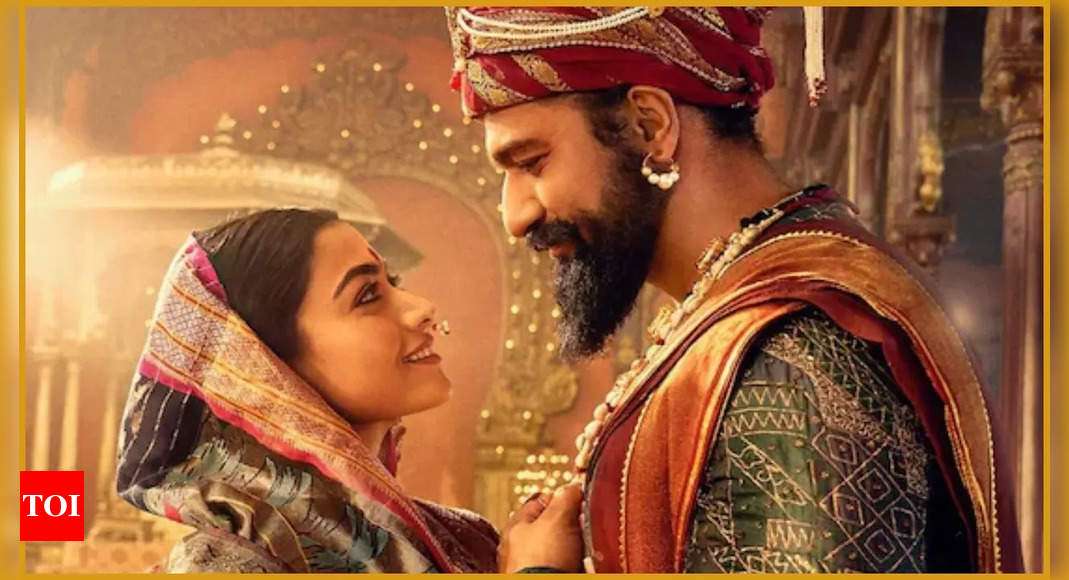
Take, for instance, the film "Chhaava," which recently made waves in theatres. Directed by Laxman Utekar, the film's historical narrative about Chhatrapati Sambhaji Maharaj showcases the blend of storytelling and cultural richness that is characteristic of modern Hindi cinema. Its box office success illustrates the audience's appetite for films that pay homage to India's heritage while delivering strong contemporary performances.