

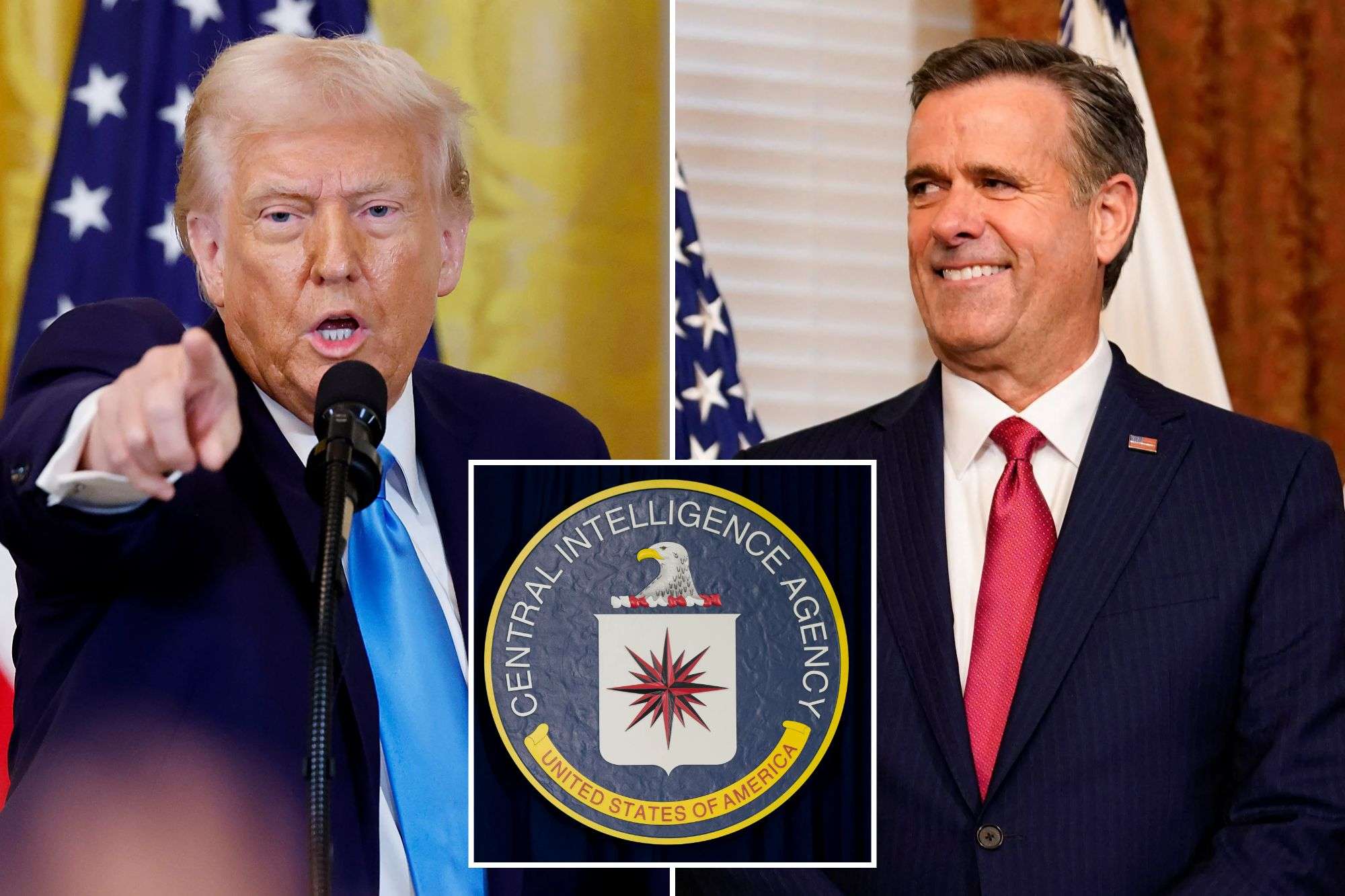
The Central Intelligence Agency recently unveiled a buyout program to transform its workforce in line with the current administration’s national security priorities. This decision is a big change within the agency, as it allows employees to resign in exchange for approximately eight months of pay and benefits. This blog post will explore the implications of the CIA buyout, its strategic intentions, and what it means for the agency’s future direction.
The Rationale Behind the Buyout
In an effort to modernize and invigorate the CIA, newly appointed Director John Ratcliffe requested the implementation of buyouts similar to those offered to millions of federal workers earlier this year. With a clear focus on national security, the CIA aims to streamline its operations and remove personnel that may not align with its evolving mission. The agency has long been viewed as a critical player in global intelligence, and this buyout could be seen as a necessary step in retaining only those who are fully committed to its goals.
Historical Context of Buyouts in Federal Agencies
Buyouts within federal agencies are not a new phenomenon. This has been practiced in various guises to lower the workforce headcount and shave off costs. However, in the case of the CIA, it is attempting to redefine its culture and operation focus. The previous buyout programs have been criticized for the lack of strategic alignment, and the CIA is seemingly taking an initiative to make sure that the program aligns with its new strategic objectives that are evolving. This way, the agency is able to reposition itself without the negative effects of forced layoffs through encouraging its employees to leave voluntarily.
Potential Benefits of the Buyout
One of the most important advantages of the CIA buyout is the chance for a cultural reset. A new leadership perspective will allow the agency to attract fresh talent and ideas, thus creating an environment that is more conducive to innovation. The financial incentive of the buyout may also encourage experienced personnel to retire, making way for a younger generation of agents who can bring new skills and perspectives.
Real-life examples from other federal agencies show that buyouts can lead to a more motivated and engaged workforce. For example, the Department of Homeland Security was able to implement buyouts successfully, leading to a more focused and agile agency. If managed well, the CIA may see similar outcomes.
Challenges and Considerations
Despite the benefits of the buyout program, it is not without its drawbacks. The agency might lose some precious expertise and institutional knowledge that might leave it at a vulnerable spot in its critical areas of operation. Additionally, the pressure for the buyout may cause hasty decisions on the part of employees who might feel pressured into taking the offer without understanding what it means to them.
At the same time, the buyout’s impact on the agency’s ability to react to emerging threats must be monitored closely. Its mission is so complex and multi-faceted that any serious changes in personnel will likely impair its operational effectiveness in the near term.
Looking Ahead: A New Era for the CIA
As the CIA sets out on its new journey, the buyout program is, therefore, the opportunity for reform in a global environment that seems to be undergoing rapid change. The agency, therefore, pays much attention to national security issues, such as countering cartels and even non-traditional adversaries that threaten the interests of the US.
In conclusion, the CIA buyout initiative is a bold step toward aligning the agency’s capabilities with the demands of contemporary intelligence work. Challenges remain, but the potential for a revitalized and strategically focused agency could redefine the CIA’s role in national security for years to come. As we watch the developments unfold, it will be crucial to assess how this initiative impacts not just the agency but also the broader landscape of U.S. intelligence operations.