

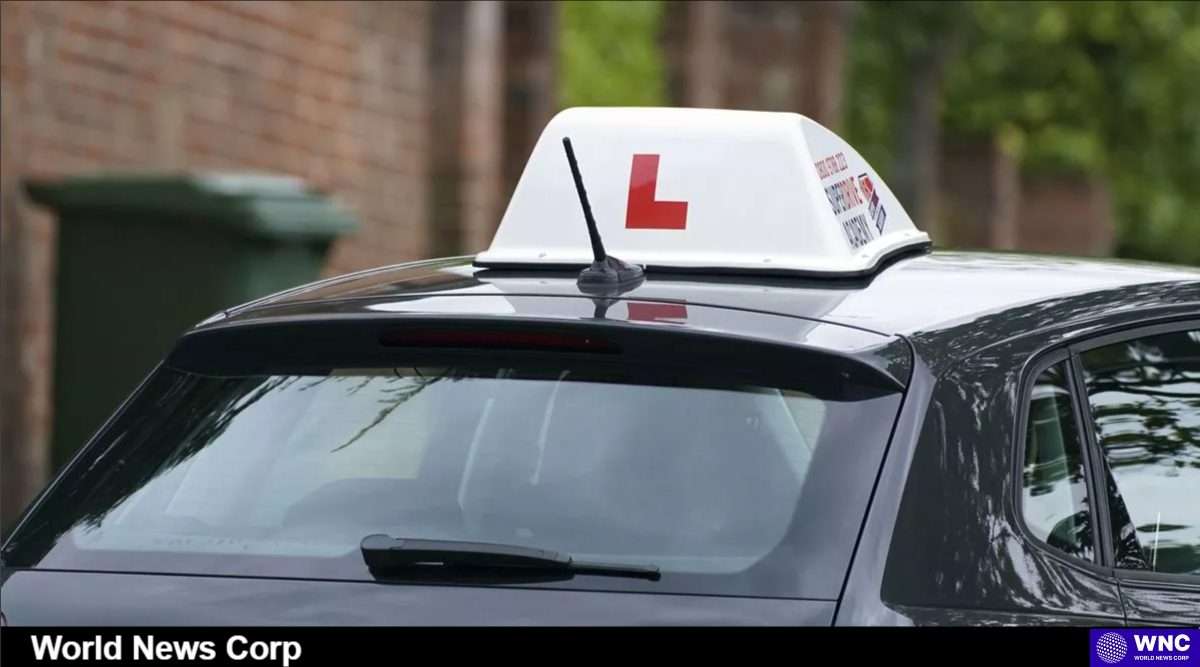
The Driver and Vehicle Standards Agency (DVSA) is set to implement significant changes to driving test bookings in the UK, starting on April 8. As a learner driver myself, I find these changes crucial in addressing the growing backlog of driving tests that have reached an unprecedented average waiting time of 20 weeks. This article outlines the new rules and what they mean for aspiring drivers across the nation.
What should consumers know about the new cancellation policy?
One of the most notable changes is the new cancellation policy. Under the current system, learners can cancel or rearrange their driving tests with just three days’ notice. However, starting next week, drivers will need to provide at least ten full working days’ notice to make any changes. This rule aims to mitigate the issue of no-shows, which have contributed to approximately 60,000 unused tests last year alone. The DVSA believes that by requiring longer notice, they can increase the number of available slots for other learners, thereby reducing waiting times.
The Impact of Record Waiting Times
Why is this change so urgent? Recent research from AA Driving School reveals that the waiting time for a practical driving test has escalated to 20 weeks. This is a significant increase from the 14-week average reported just a year ago. The figures indicate that test centres are overwhelmed, with the number of centres facing maximum waiting times of up to 24 weeks nearly doubling within the same period. The DVSA aims to achieve an average waiting time of seven weeks by December 2025, but only a handful of centres are currently on track to meet this goal.
Addressing the Backlog: New Examiners and More Slots
To combat this situation, the Department for Transport has announced plans to recruit and train up to 450 new driving examiners. For learners like myself, this initiative offers a glimmer of hope. The more examiners available, the more test slots can be opened up. Emma Bush, managing director of AA Driving School, emphasized that reducing waiting times is essential for young people seeking employment and education opportunities. The current landscape shows a worrying decline in the number of young drivers holding licenses, which can hinder their prospects.
The Financial Burden of Delays
It’s worth noting that long waiting times impose an additional financial strain on learners. Those who fail to pass their test on the first attempt may find themselves facing extra lessons and the stress of rebooking a test amid a backlog. The pressure can weigh heavily on young drivers, many of whom are navigating the costs of lessons and the complexities of maintaining their driving skills while waiting.
Conclusion: A Path Forward for Learner Drivers
In conclusion, the new changes to the driving test system are a response to the pressing challenges faced by learner drivers in the UK. By enforcing a longer notice period for cancellations and working to increase the number of available examiners, the DVSA hopes to create a more efficient system. As a learner, I’m optimistic that these measures will lead to shorter wait times and a smoother path to obtaining a driving license. The road ahead may be bumpy, but with these new rules, we are one step closer to getting behind the wheel.