
The recent lifting of South Korea’s short-selling ban has redefined the investment landscape for both domestic and foreign investors. This significant move, which occurred after a more than a year-long suspension due to regulatory breaches, has opened the door to a plethora of trading strategies that can be employed by savvy investors. As a financial reporter, I find this an exciting development, as it brings a fresh wave of activity to the KOSPI.
What Are the Implications of the Lifted Ban Mean for Investors?
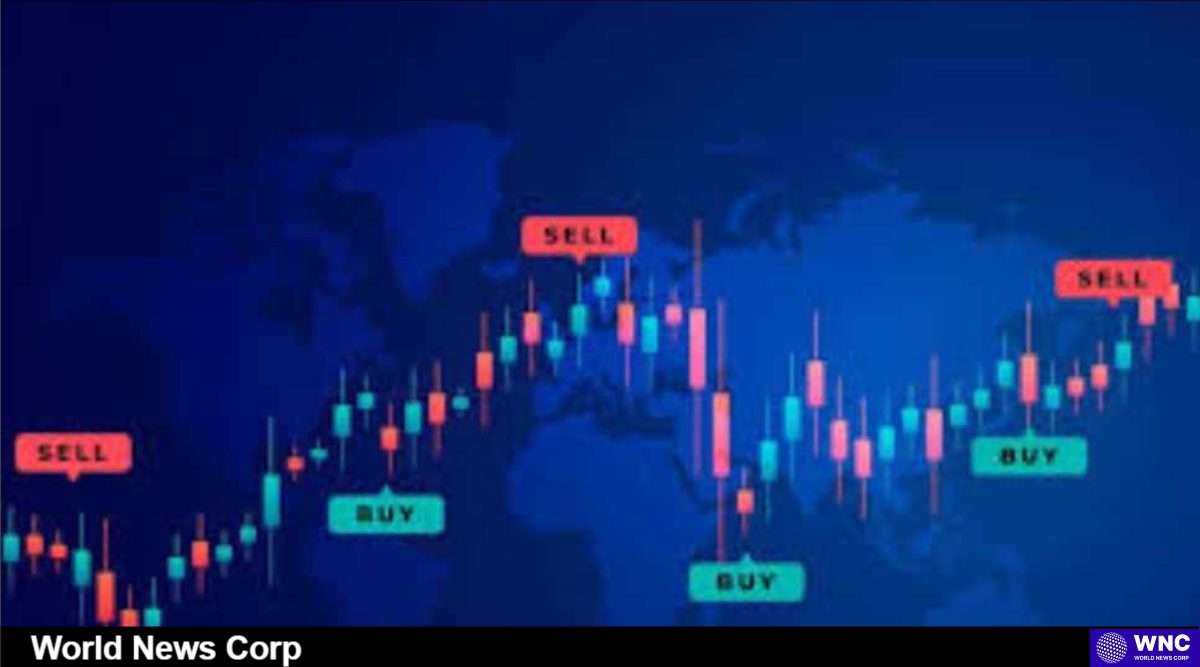
With short selling now available on all listed firms, the KOSPI is poised for increased volatility and opportunities. In the first week alone, short selling activities surged to a staggering 6.4 trillion won, showcasing how eager investors are to capitalize on the newly reinstated practice. Notably, foreign investors accounted for 90% of this activity, emphasizing their dominance in the market. This influx of short selling can lead to more dynamic price movements, which might create opportunities for both short and long positions.
Implications for Market Stability
While the lifting of the ban is generally seen as a positive step towards market efficiency, it does come with risks. The Financial Supervisory Service has committed to enhancing market monitoring to prevent excessive volatility, but the sheer volume of short selling could lead to rapid declines in stock prices. For instance, during this initial week, we witnessed the KOSPI fall by 3.62%. Investors must tread carefully, as the potential for loss is significant in a rapidly fluctuating market.
Regulatory Changes and Their Impact
To mitigate the risks associated with short selling, the South Korean government has implemented stringent regulations. The introduction of a system designed to detect illegal practices, particularly naked short selling, is crucial. Fines and penalties for violations have been significantly increased, with severe consequences for those who breach the rules. For example, profits exceeding 5 billion won can result in prison terms ranging from five years to life. This regulatory framework aims to protect retail investors who form a substantial portion of the market.
The Role of Foreign Investors
As the data shows, foreign investors are expected to play a pivotal role in the KOSPI’s market dynamics following the ban’s lift. They historically engage in short selling to hedge against risks or capitalize on perceived overvaluations. Goldman Sachs has noted that about 70% of short selling activities are conducted by foreign entities. This influx could bring added liquidity to the market, fostering a more competitive trading environment.
How Should Investors Prepare?
For investors looking to navigate this new landscape, understanding the fundamentals of short selling is essential. It’s important to conduct thorough research and possibly consult with financial advisors before engaging in these strategies. Investors should also stay alert for market signals that may indicate a shift in stock valuations. Utilizing tools and resources for market analysis can empower investors to make informed decisions.
In conclusion, the reinstatement of short selling on the KOSPI marks a transformative period for South Korea’s financial markets. While the opportunities for profit are enticing, the risks involved necessitate a cautious approach. Balancing these opportunities and risks will be key for investors aiming to thrive in this evolving market.