
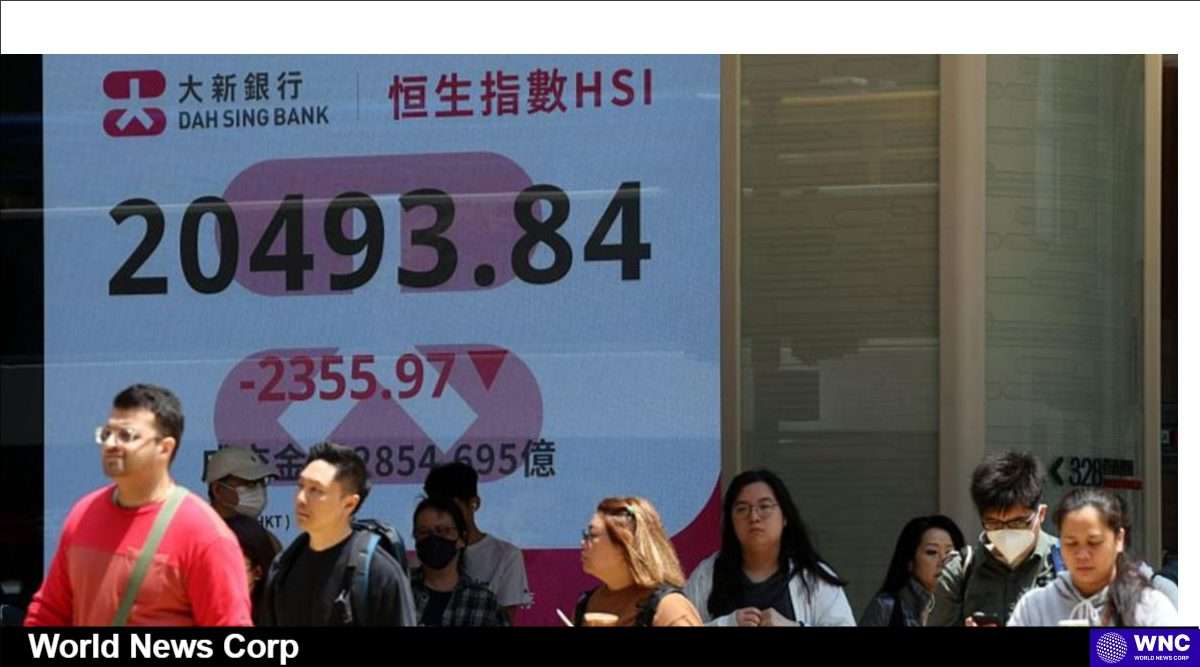
In recent weeks, Asian markets have been shaken to their core following the implementation of sweeping tariffs by the U.S. government. With countries like Japan, South Korea, and Australia feeling the brunt, the situation has led to significant sell-offs across the region. The Nikkei 225 index in Japan saw a staggering drop of nearly 9%, while Australia’s S&P/ASX 200 index experienced its worst session since the COVID-19 pandemic. As a reporter with years of experience covering financial crises, I can tell you that this turmoil is unlike anything we’ve seen in a long time.
What events led to the tariff turmoil, and how did it affect global markets?
The announcement of tariffs has sent shockwaves through the global economy. President Trump characterized these levies as necessary “medicine” to rectify trade imbalances. However, the immediate impact has resulted in a massive loss of confidence among investors. For instance, Japan’s banking sector has sharply declined, with some banks seeing losses as high as 30% over just three days. Such volatility raises an essential question: How will these tariffs affect not only Asian markets but the global economy at large?
Economic Implications and Investor Sentiment
The sentiment among investors has turned decidedly sour. As one analyst put it, “the markets are telling you in plain language: global demand is vanishing, and a global recession is on the cards and coming on fast.” The fear is palpable. The potential for a recession looms large, with some economists estimating a 50% chance of the U.S. entering a recession in the next year. This sentiment is echoed across various Asian nations, where leaders are scrambling to mitigate the damage and assess the long-term implications of these tariffs.
Real-World Ramifications: Who is Affected?
The ramifications of these tariffs are far-reaching. For example, India’s stock markets also took a hit, with the BSE Sensex plunging 5.19%. While India is somewhat insulated due to its low export dependency on the U.S., the overall sentiment remains cautious. In addition, Taiwanese tech giants, crucial suppliers for major brands like Apple, have seen their shares fall dramatically, impacting the entire supply chain.
Global Response and Future Outlook
As the situation evolves, countries are responding in various ways. For instance, Taiwan’s President has expressed a willingness to remove tariffs on U.S. imports, while Japan’s government is seeking to soften the blow on its businesses through funding and support. Meanwhile, the European markets are bracing for fresh losses, indicating that the ripple effect of Trump’s tariffs is likely to continue.
Conclusion: The Path Forward
In conclusion, as markets around the world react to these unprecedented tariff measures, it’s clear that the road ahead is fraught with uncertainty. While some nations are pursuing dialogue to negotiate better terms, the reality is that the global trading landscape has shifted dramatically. The next few days will be critical in determining whether we are witnessing a temporary setback or the onset of a much deeper economic crisis. For investors and governments alike, the stakes have never been higher. As someone who has closely followed these developments, I encourage readers to stay informed and prepared for what may come next.