

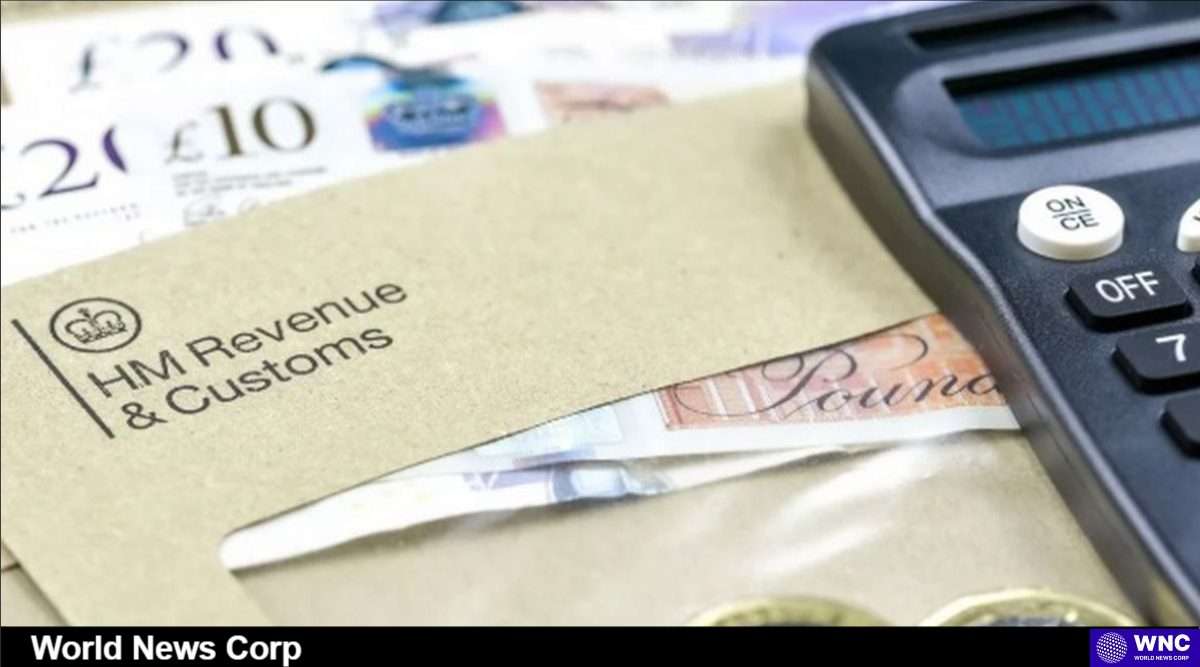
As the UK government navigates its fiscal challenges, a recent proposal from HM Revenue and Customs (HMRC) has stirred significant concerns among MPs and tax experts alike. The new legislation, which would allow HMRC to directly seize unpaid taxes from individuals’ bank accounts, is being referred to as a potential ‘tyranny of the state.’ This landmark policy, confirmed after Chancellor Rachel Reeves’ Spring Statement, has drawn sharp criticism from various political figures who argue that it infringes upon fundamental rights.
What are the proposed changes in the new tax policies, and how might they impact taxpayers?
Under the new measures, HMRC would be empowered to access bank accounts of individuals who owe more than £1,000 in taxes. While it is stipulated that a minimum balance of £5,000 must remain in the account after any seizure, critics question the accuracy and fairness of this system. Conservative MP Sir Iain Duncan Smith has been vocal about the implications of such powers, asserting that this shift undermines property rights and may lead to arbitrary government overreach. He stated, “Anything that allows government bodies to grab other people’s property without redress is an attack on freedom.”
The Risks of Error and Recourse
A major point of contention is the potential for errors in HMRC’s calculations. Historical data shows that HMRC has made significant mistakes in the past, such as the 2014 incident where 5.5 million workers were found to have overpaid or underpaid taxes. If HMRC mistakenly seizes funds, individuals would face a cumbersome process to reclaim their money, often requiring them to go to court. This reversal of the burden of proof raises alarms among MPs. As Mark Garnier, shadow economic secretary to the Treasury, noted, “The plaintiff must prove their innocence, rather than the accuser (HMRC) prove their guilt.”
Balancing Tax Collection with Taxpayer Rights
The government has stated that safeguards will be in place, including face-to-face consultations with debtors before any account seizures. However, many remain skeptical about the effectiveness of these measures. Nimesh Shah, an accountant from Blick Rothenberg, expressed concerns over the aggressive application of these new powers, especially in light of ongoing pressures to close the tax gap. He emphasized that communication and transparency will be crucial in ensuring taxpayers are aware of their rights and obligations.
A Broader Context: The Financial Landscape
The backdrop to these proposed changes is a significant need for revenue to support public services. With the government aiming to generate an additional £800 million by 2029-30 through enhanced debt collection capabilities, it’s clear that HMRC is under pressure to act decisively. However, this push for efficiency must be balanced with respect for individual rights and the potential consequences of error in tax collection.
Conclusion: Navigating the Future of Taxation
As the debate continues, it is essential for policymakers to consider the implications of such sweeping powers on the average taxpayer. The balance between ensuring that everyone contributes their fair share and protecting citizens from potentially harmful government actions is delicate. Ultimately, HMRC must prioritize accuracy and fairness in its operations to maintain public trust while fulfilling its mandate to collect taxes. In a climate where financial pressures are mounting, the government must tread carefully to avoid crossing the line into tyranny.