
In the ever-changing landscape of U.S. financial markets, one thing remains clear: market volatility is the new norm. The recent surge in U.S. stocks, with the Dow Jones Industrial Average soaring over 1,000 points, has captured attention. Investors are cautiously optimistic, fueled by comments from Treasury Secretary Scott Bessent regarding a potential de-escalation of trade tensions with China. Meanwhile, President Trump’s ongoing verbal skirmishes with Federal Reserve Chair Jerome Powell have added layers of complexity to the economic outlook. So, what does this mean for investors?
How Do Trade Wars Shake Investor Confidence Globally?
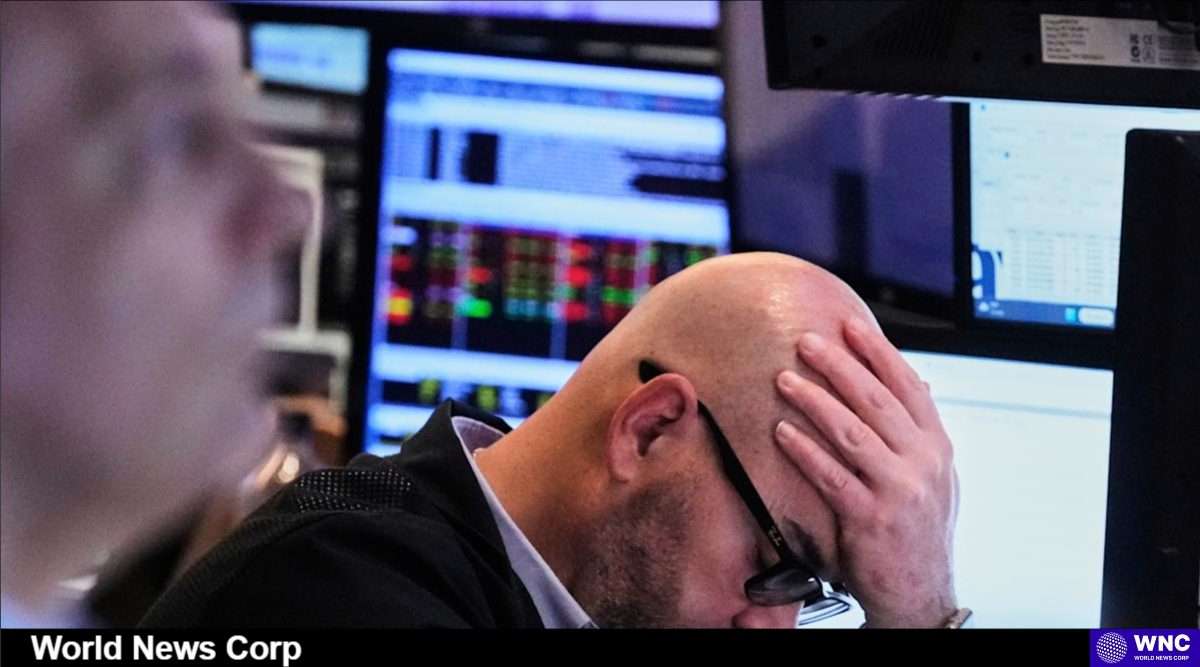
As the trade war with China drags on, the ripple effects are felt across various sectors. The U.S. stock market has shown its resilience, but the question remains: how sustainable is this rally? Analysts suggest that while short-term gains may be enticing, the underlying issues—such as tariffs and trade policies—pose significant risks. For instance, the recent drop in Tesla’s stock, following disappointing earnings reports, illustrates how closely tied corporate performance is to political rhetoric. Investors are left pondering whether to ride the wave or prepare for a downturn.
Bitcoin: A Safe Haven Amidst Market Turmoil
Interestingly, amidst the stock market’s ups and downs, Bitcoin has emerged as a potential safe haven. While traditional safe-haven assets like gold are being sought after, Bitcoin’s recent price surge—trading near $91,000—has turned heads. Fundstrat’s Sean Farrell emphasizes that Bitcoin’s unique position allows it to move independently of stock market trends. As more investors look to diversify their portfolios, Bitcoin’s allure as a hedge against economic instability becomes increasingly apparent.
The Role of Economic Indicators
Recent surveys from the Richmond Federal Reserve highlight growing concerns in the manufacturing sector, with new orders declining significantly. This downturn raises alarms about future economic activity. Additionally, PulteGroup’s warnings about rising home prices due to tariff impacts signal potential challenges for the housing market. For investors, understanding these economic indicators is critical in making informed decisions.
How to Strategize in a Volatile Market?
Given the current climate, how should investors navigate this volatility? First, maintaining a diversified portfolio is essential. Allocating funds across various assets—stocks, bonds, and cryptocurrencies—can mitigate risks associated with market fluctuations. Secondly, staying informed about developments in trade negotiations and economic policies is vital. As history has shown, markets react swiftly to news, and being proactive can lead to significant advantages.
The Future Outlook
As we look forward, the interplay between Trump’s policies, the Federal Reserve’s actions, and global market dynamics will shape the financial landscape. The comments from Treasury Secretary Bessent hint at a potential thaw in U.S.-China relations, which could stabilize markets. However, the uncertainty surrounding Trump’s influence on the Federal Reserve and ongoing trade tensions remains. For investors, the key is to remain vigilant and adaptable, ready to respond to changes as they unfold.