

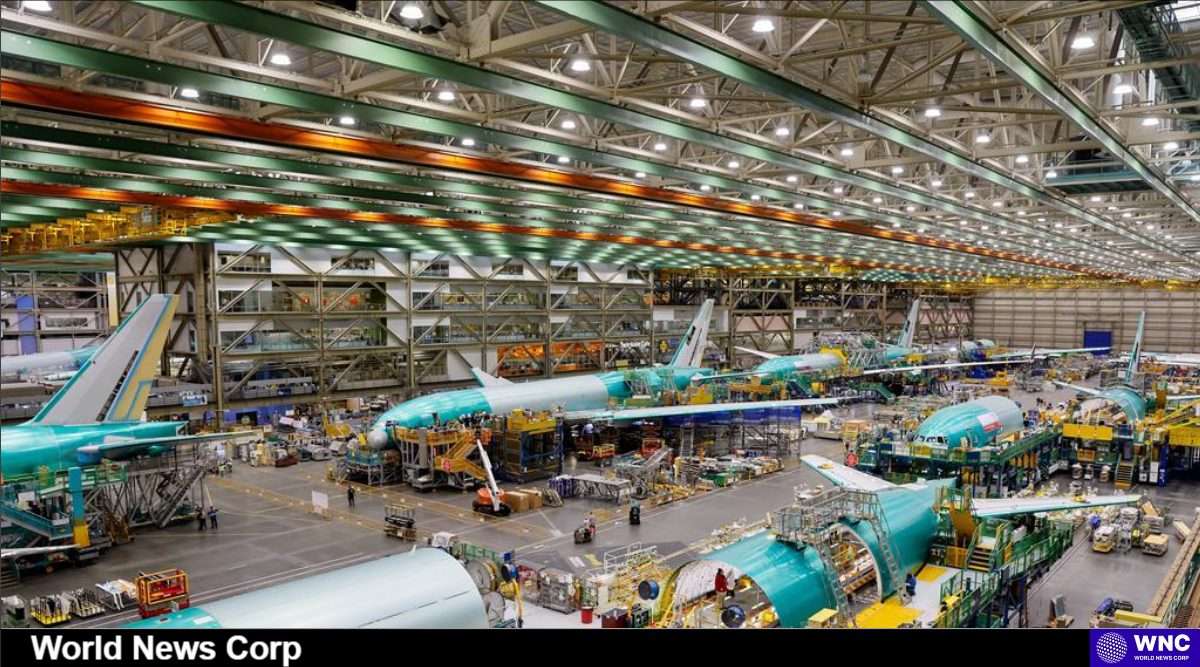
In recent months, Boeing has made headlines as it seeks to recover from a series of setbacks that have plagued its operations. The aerospace giant is now poised to ramp up production of its 737 Max jets, aiming for a rate of 42 aircraft per month. This decision comes on the heels of a successful first quarter, where Boeing reported a net loss of just $31 million, a significant improvement from the $355 million loss experienced in the same quarter a year earlier.
How Is Boeing Boosting Aircraft Deliveries in 2025?
Boeing’s ability to deliver 130 planes in the first quarter of 2025, compared to only 83 during the same period last year, showcases a strong upward trajectory for the company. This increase in production and deliveries has led to an 18% rise in revenue, totaling $19.5 billion. The improvement in cash burn, down to $2.3 billion from nearly $4 billion, signals a potential turning point for Boeing as it aligns its resources more efficiently. CEO Kelly Ortberg has emphasized that the company is on track to generate positive cash flow in the latter half of the year, which would bolster investor confidence in the company’s recovery strategy.
The Role of Tariffs and Global Trade
However, Boeing’s journey is not without challenges. The escalating trade war and tariffs imposed by the U.S. government impact the aerospace industry significantly. Executives have acknowledged that tariffs could cost the company and its partners over $1 billion this year alone. As Ortberg noted, navigating this complex trade landscape requires vigilance and adaptability. The company’s recent discussions with government officials about restoring duty-free trade for the aerospace sector highlight Boeing’s proactive stance in mitigating these challenges.
Employee Sentiment and Corporate Culture
Despite the financial improvements, internal morale issues persist. A recent employee survey revealed that only 27% of staff would highly recommend working at Boeing, a stark decline from 91% in 2013. This signals a need for better communication and decision-making from senior leadership. Employees expressed a desire for more transparency and responsiveness to their concerns, an area where improvements could enhance overall company performance. As Ortberg works to address these cultural challenges, fostering a positive work environment will be crucial for the long-term sustainability of Boeing’s recovery efforts.
Future Production Goals and Innovations
Looking ahead, Boeing is focused on stabilizing and increasing production rates across its various aircraft lines, including the 787 Dreamliner and the 777-9, which is expected to make its debut in 2026. The company has set ambitious goals, aiming to increase the 737 Max production rate above the current cap of 38 jets per month, pending FAA approval. This strategic move, combined with a half-trillion-dollar backlog of orders, indicates that Boeing is well-positioned to capitalize on future growth opportunities in the aviation market.
Conclusion: A Balancing Act
As Boeing navigates through both challenges and opportunities, the path to recovery remains a balancing act. The company’s recent financial performance reflects positive momentum, yet it must address both external pressures from global trade dynamics and internal issues related to employee sentiment. With a committed leadership team and a focus on operational excellence, Boeing aims to reclaim its standing as a leader in the aerospace industry. The next few quarters will be crucial in determining whether these efforts will translate into sustained success.