
Historically, in recent years, women’s economic empowerment has become a significant agenda item of international development efforts. Initiatives such as the Women’s Global Development and Prosperity (W-GDP) launched during the Trump administration were intended to benefit women in developing countries in terms of their economic and social experiences. The current rescinding of such programs casts doubts about the future of women’s rights and development global
The Importance of USAID and W-GDP
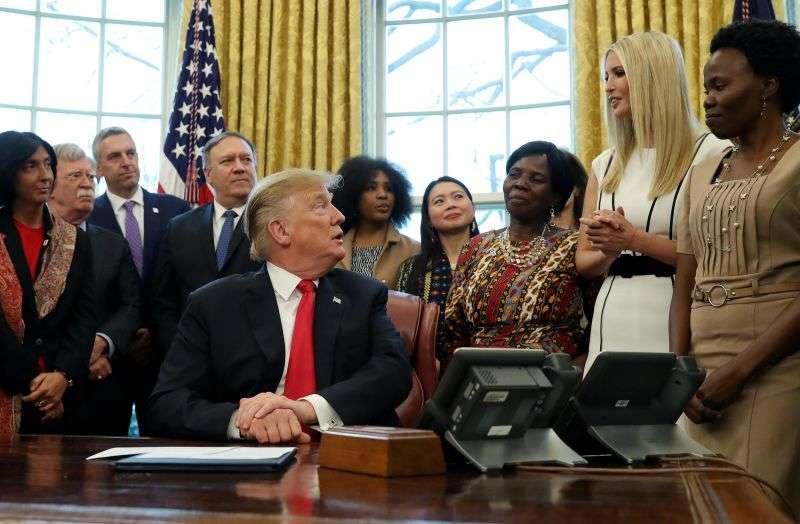
The U.S. Agency for International Development has had a historical responsibility of offering humanitarian aid and promoting development programs globally. As a part of W-GDP initiated in 2019, the USAID expended vast resources that aimed at providing women in developing countries with means to be absorbed into the economy by removing their obstacles. The then senior advisor Ivanka Trump clarified that investing in women is neither just a matter of morality nor a matter of national security but a national necessity.
Real-World Impacts of W-GDP
The initiative had a profound impact on numerous women across the globe. For instance, Nino Zambakhidze, a Georgian farmer, benefitted from U.S. financial assistance to establish her farm after being denied loans elsewhere due to her gender. Her success story is just one of many, reflecting how targeted aid can lead to tangible changes in women’s lives, families, and entire communities. Women such as Lillian Achomo from Uganda were also telling how W-GDP funding had elevated their projects to a higher level, increasing resource and opportunity access for thousands of people.
The Change in Policy and Its Impact
While these programs have shown many positive results, the current Trump administration has been moving in a direction that freezes foreign aid and dismantles USAID. This shift undermines all the efforts that have been made in the past few years towards women’s empowerment and might reverse the huge progress that was being made towards development. It is considered to be a gross violation of trust on the part of the U.S. as it suddenly withdrew support from USAID.
The Global Community’s Reaction
The international community has expressed alarm at the potential implications of these changes. Many beneficiaries of USAID programs have voiced their concerns, asserting that the dismantling of such initiatives has left them feeling abandoned. As Nino Zambakhidze articulated, the hope and promise provided by U.S. initiatives have been “ripped away” from individuals who had begun to see real change in their lives.
The Future of Women’s Empowerment Initiatives
The future of programs like W-GDP and USAID’s commitment to women’s economic empowerment remains uncertain. The Biden administration has rebranded W-GDP as the Gender Equity and Equality Action Fund (GEEA), aiming to continue support for women’s initiatives. However, with the political landscape continuously shifting and the potential for future cuts in funding, advocates worry about the sustainability of these programs.
Conclusion: A Call to Action
The ongoing discussions around foreign aid and its effectiveness should continue to propel the protection and promotion of women’s economic empowerment programs. When women succeed economically, communities prosper. It is crucial for policymakers to realize that investments in women are important in attaining overall development objectives and guaranteeing international peace. Sustainable empowerment is possible only when women everywhere can sustain this process by their own accord.