

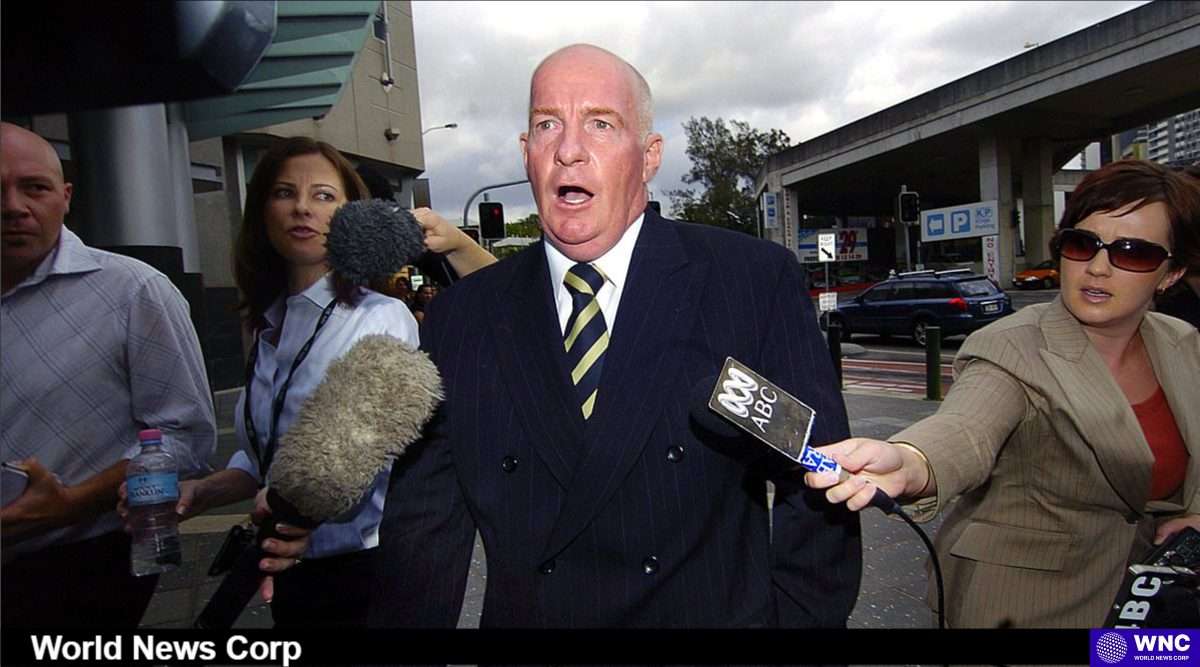
Gordon Nuttall, a name that once echoed through the halls of Queensland’s government, now serves as a cautionary tale for politicians and public servants alike. His journey from a promising minister to a disgraced figure in Australian politics is a gripping narrative marked by ambition, betrayal, and a tragic downfall. Understanding Nuttall’s story is vital for grasping the importance of integrity in government and the consequences of corruption.
How does an early career shape the ascent of a political star?
Nuttall’s political career took off when he entered the Queensland Parliament in 1992 as the representative for Sandgate. Initially, he was seen as a rising star within the Labor government. Appointed as Health Minister in the Beattie government, he was praised for his tenacity and ability to deliver results. However, the very position that made him famous soon became a poison chalice. The Jayant Patel scandal, which revolved around medical malpractice at Bundaberg Base Hospital, exposed his vulnerabilities.
In 2005, Nuttall was caught lying to a parliamentary committee regarding his knowledge of issues at the hospital. This marked the beginning of his fall from grace. He stepped down from his role but maintained that he was a victim of the political environment.
The Descent: A Web of Corruption
Nuttall’s political career took a darker turn when the Crime and Misconduct Commission (CMC) discovered that he had received undeclared loans from businessmen seeking government contracts. By 2009, he was convicted for multiple counts of perjury and corruption, leading to a 14-year prison sentence. The fallout was immense, and the public sentiment was one of betrayal. Former Premier Peter Beattie later condemned Nuttall for his actions, stating that he had profoundly betrayed the trust of the public and his colleagues.
Despite the gravity of his actions, Nuttall maintained his innocence even while facing the consequences of his decisions. His assertion that he was a decent person fell on deaf ears, illustrating the disconnect between his perception of himself and how the public viewed him.
The Final Years: Reflection and Regret
After serving six years of his sentence, Nuttall was released in 2015. The years in prison took a toll on him both physically and mentally. He recounted the harsh realities of prison life, where he felt treated like ‘the worst of the worst.’ His reflections on his time in prison reveal the emotional turmoil he experienced, as he grappled with the enormity of his sentence. “Every morning I’d wake up and pray to make it through,” he recalled in an interview.
In 2023, Nuttall was diagnosed with stage four kidney cancer, a tragic end to a tumultuous life. He spent his last days in the beachside community of Woodgate, where he reflected on his past mistakes. His family expressed devastation over his death, stating that it was time for him to rest in peace.
Lessons Learned: Integrity in Governance
Gordon Nuttall’s story serves as a stark reminder of the fragility of public trust and the importance of integrity in governance. His rise and subsequent fall underscore the potential consequences of corruption and the ethical responsibilities that come with political power. For aspiring politicians and public servants, Nuttall’s trajectory serves as a warning—one that emphasizes the importance of accountability and transparency in public service.
As we remember Nuttall, we must also reflect on the systems in place that allow corrupt practices to flourish. Strengthening these systems is crucial for ensuring that trust in government can be rebuilt and maintained.